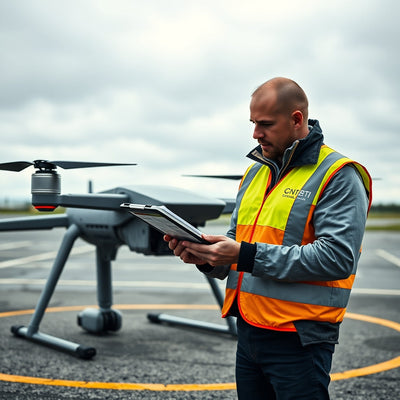
Survey Links Six-Figure Drone Income to Referrals and Recurring Work
A Pilot Institute survey of 516 drone pilots found those earning over $10,000 annually rely on referrals, recurring jobs, and higher pricing. The pattern points to a maturing commercial market where repeat clients and service consistency outweigh one-off gigs for drone operators.

Quick answer
A Pilot Institute survey of 516 drone pilots found that operators earning over $10,000 per year consistently rely on referrals, book recurring jobs, and raise their prices, according to DroneXL.co.
- 516 commercial drone pilots were surveyed by Pilot Institute's Greg Reverdiau
- Top earners prioritize client referrals over cold outreach
- Recurring jobs create predictable revenue streams for commercial operators
- Higher pricing correlates with earning above the $10,000 annual threshold
Evidence: DroneXL.co
Market context
Turn market news into a buy, repair, or trade-in decision.
Compare pre-owned availability, resale timing, and repair economics before the market moves again.

Verified facts
What the available evidence confirms
| Habit | Reported Pattern | Commercial Implication |
|---|---|---|
| Referrals | Top earners work referral-based client acquisition | Lower marketing cost and higher trust per job |
| Recurring jobs | Top earners book repeat or contracted work | Predictable fleet utilization and revenue |
| Pricing | Top earners raise prices over time | Revenue growth without adding flight hours |
Commercial drone pilots earning more than $10,000 per year share three distinct habits, according to a survey of 516 operators conducted by Pilot Institute's Greg Reverdiau and reported by DroneXL.co on November 23, 2026. The findings point to a commercial drone market that is gradually separating casual side-hustle flying from service-based operations built on repeat clients and deliberate pricing.
The survey, covered by DroneXL.co, identified referrals, recurring jobs, and price increases as the common behaviors among higher-earning pilots. For fleet operators, repair customers, and anyone watching the pre-owned DJI market, those three habits signal something broader: commercial drone work is becoming less about owning the newest airframe and more about running a reliable service business around the equipment you already have.
What the Pilot Institute survey found
DroneXL.co reported that Greg Reverdiau of Pilot Institute surveyed 516 drone pilots and found that those earning over $10,000 annually consistently work referrals, book recurring jobs, and raise their prices. The survey did not tie the income threshold to any specific airframe, region, or industry vertical in the source data. Instead, the pattern held across the surveyed group as a behavioral signal rather than a hardware recommendation.
The referral habit is especially telling. Pilots who earn above the threshold appear to spend less energy chasing cold leads and more energy converting satisfied clients into repeat sources of work. In practical terms, that means a commercial operator's reputation and reliability become the marketing engine. For buyers evaluating a used commercial drone, this also means the aircraft's service history and the operator's maintenance discipline matter more than cosmetic condition, because the machine is expected to perform on a schedule, not just when a one-off job appears.
Why recurring work changes fleet economics
Recurring jobs create a different cost structure for drone operators. A pilot who books repeat inspections, mapping runs, or agricultural passes can plan battery cycles, storage, and maintenance around a known calendar. That predictability reduces downtime and makes repair decisions more rational. Instead of rushing a damaged drone back into service for a single urgent gig, an operator with recurring work can afford to wait for proper OEM-pulled parts or a professional repair turnaround.
The survey's emphasis on recurring work also aligns with how commercial drone fleets age. A drone that flies weekly for a contracted client accumulates hours predictably, which makes preventive maintenance and part replacement easier to schedule. For the pre-owned DJI market, that is a meaningful distinction: an airframe retired from a recurring-work fleet may have higher flight hours but a more complete maintenance record than a lightly used hobby drone. Buyers who understand this can make better procurement decisions.
What this means for drone owners and the market
Reboot Hub analysis: The survey's third habit, raising prices, suggests that higher-earning pilots are not competing solely on the lowest bid. They are pricing their service to reflect reliability, turnaround time, and the cost of keeping equipment in dependable condition. That has a direct effect on how operators think about repair and parts. A pilot who charges enough to cover proper maintenance is less likely to cut corners with unverified components or delayed repairs. For the broader market, this supports a shift toward service quality as the differentiator rather than raw hourly flight cost. Operators who want to move into that higher-earning tier should treat their drone as a revenue asset that requires genuine OEM spare parts and professional DJI repair when something fails, a principle covered in the Drone Wiki for owners planning long-term fleet use. For owners evaluating service and lifecycle risk, Drone Wiki explains the relevant repair, parts, resale, or operational path.
Reboot Hub analysis: For buyers in the pre-owned DJI market, the survey offers a useful filter. A drone sold by an operator who ran recurring jobs and raised prices over time is more likely to have been maintained as a business asset than a drone cycled through casual gigs. That does not guarantee condition, but it does suggest the seller had a financial incentive to keep the aircraft airworthy. Fleet managers evaluating second-hand units should ask about the seller's client mix, maintenance records, and whether the drone was part of a recurring contract schedule.
What operators should do differently
The clearest operator-facing takeaway from the DroneXL.co report is to shift attention from acquiring more equipment to building repeatable client relationships. A pilot who books recurring work can justify investing in maintenance, spare batteries, and professional repair because the revenue stream supports those costs. A pilot who chases one-off jobs may be tempted to defer maintenance or accept faster, cheaper fixes that shorten the drone's service life.
Reboot Hub analysis: For repair customers, the survey's pricing insight matters too. If higher-earning pilots raise prices, they also have more room to choose quality repair work over the cheapest available option. That is a rational business decision, not a luxury. A drone that returns from repair with genuine OEM-pulled parts and a documented service process is more likely to hold its value and perform on the next contracted job. In a market where referrals drive new business, a mid-job failure is far more expensive than a slightly higher repair invoice.
The survey does not provide revenue figures beyond the $10,000 annual threshold, nor does it break down income by drone model or industry. But the behavioral pattern is consistent enough to matter. Commercial drone work is maturing into a service business, and the operators who treat it that way, with recurring clients, referral pipelines, and pricing that funds proper maintenance, are the ones crossing the income line.
FAQ
Frequently asked questions
What were the three habits of drone pilots earning over $10,000?
According to the Pilot Institute survey reported by DroneXL.co, pilots earning over $10,000 per year work referrals, book recurring jobs, and raise their prices.
How many pilots were included in the Pilot Institute survey?
The survey covered 516 drone pilots, as reported by DroneXL.co on November 23, 2026.
Why does recurring work matter for drone maintenance and resale value?
Reboot Hub analysis: Recurring work creates predictable flight schedules, which makes maintenance and repair planning easier. Drones used for contracted recurring jobs are more likely to have documented service histories, which can matter for pre-owned DJI buyers evaluating condition and reliability.
Which sources support this update?
The visible evidence links identify DroneXL.co; each source is used only for the claim it directly supports.
What remains subject to change?
Retail pricing, availability, product bundles and regulatory timelines can change. Readers should verify the latest terms with the named retailer, manufacturer or regulator before acting.
How should buyers or operators use this analysis?
Use the verified facts as a starting point, then compare mission fit, lifecycle support, maintenance needs and current procurement terms before making a purchase or fleet decision.
Konsultowane źródła
- DroneXL.co - primary source
W momencie publikacji dodatkowa oficjalna dokumentacja nie była dostępna.
Redakcja Reboot Hub dostarcza analizy zakupowe, serwisowe, odsprzedażowe i operacyjne dla właścicieli dronów. Jeśli zauważysz błąd, skontaktuj się z nami w celu weryfikacji poprawki zgodnie z naszą polityką redakcyjną.