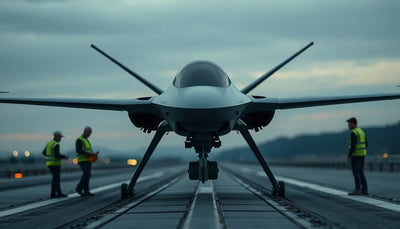
Marynarka Wojenna i DIU przeznaczają 50 milionów dolarów na ochronę nieprzelatującego drona myśliwskiego X-BAT AI
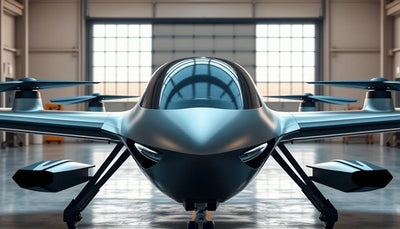
Jednostka ds. innowacji Marynarki Wojennej i Obrony inwestuje 50 milionów dolarów w X-BAT firmy Shield AI, lądującego na ogonie myśliwca, który jeszcze nie poleciał. Siły Air pozostają na zewnątrz, a sekwencja lądowania pozostaje największym ryzykiem technicznym.

Szybka odpowiedź
Jednostka ds. innowacji Marynarki Wojennej i Obrony inwestuje 50 milionów dolarów w X-BAT firmy Shield AI, lądującego na ogonie myśliwca, który nigdy nie latał, podczas gdy siły Air celowo nie biorą w tym udziału.
- Zgłoszone zobowiązanie w wysokości 50 milionów dolarów przeznaczone jest na lądującą na ogonie platformę myśliwską firmy Shield AI.
- X-BAT nie wykonał lotu, co sprawia, że sekwencja lądowania jest głównym wyzwaniem technicznym.
- Według głównego źródła raportów siły Air obserwują tę fazę, ale jej nie finansują.
- Umowa podkreśla rosnące zainteresowanie Marynarki Wojennej autonomicznymi stałopłatami bojowymi.
Dowody:DroneXL.co·Oficjalne źródło Defense.gov·Niebieski BSP DIU
Fleet readiness
Keep DJI hardware available without overbuying new units.
Use defense and fleet news as a planning signal for repair support, inspected pre-owned aircraft, and replacement timing.

Według raportów opublikowanych przez DroneXL.co Marynarka Wojenna Stanów Zjednoczonych i Jednostka Innowacji Obronnych przeznaczają 50 milionów dolarów na X-BAT firmy Shield AI, lądujący na ogonie myśliwiec, który jeszcze nie poleciał. Rozwój sytuacji jest mniej widoczny w przypadku dolara, niż w przypadku podziału, który ujawnia pomiędzy dwoma głównymi gałęziami wojskowymi USA: Marynarka Wojenna posuwa się do przodu, podczas gdy Siły Air celowo przeczekują ten moment.
Dla komercyjnych operatorów dronów, klientów zajmujących się naprawami i każdego, kto postrzega zamówienia w dziedzinie obronności jako sygnał dla rynków o szerszej autonomii, historia X-BAT jest przydatnym studium przypadku pokazującym, jak nabywcy wojskowi oceniają niesprawdzone płatowce. Zgłoszona inwestycja nie stanowi kontraktu produkcyjnego na system terenowy. Jest to zakład na rozwój platformy, której najtrudniejszy problem inżynieryjny, czyli sekwencja lądowania, pozostaje nierozwiązany w raportach publicznych.
Na czym właściwie polega zgłoszona transakcja X-BAT
DroneXL.co donosi, że Marynarka Wojenna i Jednostka Innowacji Obronnych inwestują 50 milionów dolarów w X-BAT firmy Shield AI, drona klasy myśliwskiej zaprojektowanego do lądowania na ogonie. Według tego samego raportu płatowiec nie wykonał lotu. Ten szczegół ma znaczenie, ponieważ określa zaangażowanie jako finansowanie rozwoju na wczesnym etapie, a nie zakup sprawdzonego potencjału.
Zgłoszona postawa siły Air jest równie godna uwagi. Główne źródło raportów wskazuje, że siły Air obserwują program, ale nie finansują tej fazy. Tego rodzaju rozbieżności między gałęziami usług są powszechne w robotyce obronnej, ale rzadko są tak wyraźne w raportach publicznych. Dla obserwatorów komercyjnych podkreśla to, że przyjęcie dronów wojskowych nie jest zjawiskiem monolitycznym; każda gałąź inaczej ocenia autonomię, uruchomienie, odzyskiwanie i utrzymanie.
Shield AI zbudowało swój publiczny profil wokół oprogramowania do autonomicznych lotów i wojskowych systemów bez załogi. Jak opisano w źródle, program X-BAT porusza trudniejszy problem fizyczny: stałopłatowy dron myśliwski, który ląduje pionowo na ogonie. Ta metoda odzyskiwania eliminuje potrzebę stosowania pasa startowego lub siatki, ale wprowadza znaczne wyzwania w zakresie kontroli i konstrukcji podczas ostatnich sekund lotu.
Dlaczego sekwencja lądowania jest prawdziwą historią
Podsumowanie źródłowe bezpośrednio mówi o głównym ryzyku technicznym: najtrudniejszą częścią jest lądowanie. Stałopłat lądujący za ogonem musi przejść z lotu do przodu do zawisu w pionie, a następnie opaść ogonem do przodu, aby uzyskać precyzyjne przyziemienie. Drobne błędy w oszacowaniu wiatru, wpływie ziemi lub organach kontrolnych mogą zamienić rutynową naprawę w uszkodzony płatowiec.
Dla operatorów flot i planistów napraw jest to znany schemat. Najdroższymi momentami w operacjach dronami rzadko jest faza przelotu. Są to przejścia: start, lądowanie, przejście między trybami lotu i powrót do zdrowia przy niesprzyjającej pogodzie. Platforma, która skupia ryzyko w nowatorskim manewrze lądowania, przejdzie dłuższy cykl testów i walidacji i prawdopodobnie wygeneruje odrębny profil konserwacji dotyczący podwozia, siłowników i elementów konstrukcyjnych, które pochłaniają obciążenia przy przyziemieniu.
Analiza Reboot Hub: zgłoszona inwestycja X-BAT przypomina, że autonomia nie jest pojedynczą technologią. Dron może mieć odpowiednie oprogramowanie do lotu, a mimo to będzie musiał pracować latami nad fizycznym aktem bezpiecznego powrotu na ziemię. Kupujący oceniający każdy nowy płatowiec, wojskowy lub komercyjny, powinni zapytać, ile czasu lotu zarejestrowano konkretnie w ramach metody odzyskiwania, a nie tylko ogólnie na platformie.
Co to oznacza dla właścicieli dronów i rynku
Raport X-BAT nie ma obecnie bezpośredniego wpływu na zapasy używany DJI, części zamienne OEM ani komercyjne procesy napraw. Niesie jednak sygnał rynkowy, który warto obserwować. Kiedy nabywcy sprzętu obronnego finansują platformę, która jeszcze nie latała, sygnalizują tolerancję na dłuższe terminy rozwoju i akceptację wczesnego ryzyka technicznego. Może to przyciągnąć talenty inżynieryjne, możliwości dostawców i popyt na komponenty do programów wojskowych, co czasami skraca czas realizacji części komercyjnych w sąsiadujących kategoriach.
Dla operatorów komercyjnych praktycznym wnioskiem nie jest oczekiwanie nagłej zmiany w zakresie dronów, którymi latają w tym roku. Bardziej użyteczną soczewką jest dyscyplina zaopatrzeniowa. Zgłoszona przez Marynarkę Wojenną gotowość do sfinansowania niewykorzystanego płatowca nie oznacza, że X-BAT szybko osiągnie służbę operacyjną. Oznacza to, że oddział widzi w koncepcji wystarczającą wartość strategiczną, aby zapłacić za tę próbę. Menedżerowie flot rozważający jakąkolwiek nową platformę mogą zastosować ten sam test: czy metoda odzyskiwania została sprawdzona, a jeśli nie, kto płaci za jej udowodnienie?
Dla klientów zajmujących się naprawami i nabywców używany rynek autonomii w dziedzinie obronności pozostaje długoterminowym czynnikiem napędzającym popyt, a nie krótkoterminowym czynnikiem wpływającym na ceny. W miarę dojrzewania programów wojskowych zwykle zwiększa się zapotrzebowanie na wykwalifikowanych techników, infrastrukturę testową i przepustowość łańcucha dostaw. Może to ostatecznie przynieść korzyści szerszej gospodarce usługami dronów, w tym niezależnym warsztatom i kanałom sprzedaży części. Czytelnicy śledzący zamówienia w dziedzinie obronności mogą śledzić rozwój wydarzeń za pośrednictwem zasobów takich jak Drone Wiki, aby uzyskać kontekst dotyczący krzyżowania się rynków dronów wojskowych i komercyjnych. Dla właścicieli oceniających ryzyko związane z usługą i cyklem życia:Drone Wikiwyjaśnia odpowiednią ścieżkę naprawy, części, odsprzedaży lub eksploatacji.
Co w następnej kolejności powinni obejrzeć kupujący i planiści floty
Najważniejszym krótkoterminowym kamieniem milowym programu X-BAT jest pierwszy lot, po którym następuje zademonstrowana sekwencja lądowania ogonem. Dopóki te zdarzenia nie wystąpią, zgłoszone zaangażowanie w wysokości 50 milionów dolarów najlepiej rozumieć jako kapitał na rozwój, a nie potwierdzenie gotowości operacyjnej. Decyzja sił Air o pozostaniu poza tą fazą jest również sygnałem, że wymagania dotyczące poziomu usług w zakresie odzyskiwania, bazowania i utrzymania mogą znacznie się różnić nawet w obrębie armii tego samego kraju.
Operatorzy powinni zwracać uwagę na wszelkie publiczne potwierdzenia wyników prób w locie, wskaźników udanych lądowań lub szacunkowych kosztów utrzymania. Te punkty danych, jeśli się pojawią, powiedzą rynkowi więcej niż początkowe dane dotyczące finansowania. Na razie odpowiedzialną lekturą jest to, że Marynarka Wojenna płaci za sprawdzenie, czy dron myśliwski lądujący na ogonie może działać, ale odpowiedź jeszcze nie istnieje.
W przypadku nabywców komercyjnych dronów natychmiastowe działanie pozostaje niezmienione: oceniaj platformy pod kątem wykazanych godzin lotu, niezawodności odzyskiwania i dostępności części. Dla osób pełniących role związane z obronnością raport X-BAT jest użytecznym punktem odniesienia dla tego, jak wcześnie główny nabywca wojskowy może zdecydować się na zakup niesprawdzonego płatowca, gdy koncepcja operacyjna jest wystarczająco przekonująca.
Często zadawane pytania
Często zadawane pytania
Czym jest dron X-BAT?
Według DroneXL.co X-BAT to lądujący na ogonie myśliwiec opracowany przez Shield AI. Płatowiec jeszcze nie poleciał, a metodę odzyskiwania po lądowaniu ogonem określa się jako najtrudniejsze wyzwanie techniczne w programie.
Dlaczego Air Force nie finansuje programu X-BAT?
Główne źródło raportów wskazuje, że siły Air celowo przetrzymują tę fazę programu X-BAT, podczas gdy Jednostka ds. Innowacji Marynarki Wojennej i Obrony przeznaczyła zgłoszone 50 milionów dolarów. Źródło nie podaje szczegółowego oficjalnego wyjaśnienia stanowiska Sił Air.
Czy inwestycja X-BAT wpływa na ceny dronów komercyjnych lub koszty napraw?
Nie ma bezpośredniego krótkoterminowego wpływu na ceny dronów komercyjnych, zapasy używany DJI ani koszty napraw ze zgłoszonego finansowania X-BAT. Z biegiem czasu programy autonomii obronnej mogą wpływać na wydajność dostawców i zapotrzebowanie na techników, ale natychmiastowy wpływ na operatorów komercyjnych jest minimalny.
Które źródła obsługują tę aktualizację?
Widoczne linki do dowodów identyfikują oficjalne źródła DroneXL.co i Defense.gov oraz DIU Blue UAS; każde źródło jest wykorzystywane wyłącznie w odniesieniu do twierdzeń, które bezpośrednio wspiera.
Co jeszcze może ulec zmianie?
Ceny detaliczne, dostępność, pakiety produktów i terminy regulacyjne mogą ulec zmianie. Przed podjęciem działań czytelnicy powinni sprawdzić najnowsze warunki u wskazanego sprzedawcy, producenta lub organu regulacyjnego.
W jaki sposób kupujący lub operatorzy powinni wykorzystać tę analizę?
Wykorzystaj zweryfikowane fakty jako punkt wyjścia, a następnie porównaj dopasowanie misji, wsparcie w całym cyklu życia, potrzeby w zakresie konserwacji i aktualne warunki zaopatrzenia przed podjęciem decyzji o zakupie lub flocie.
Konsultowane źródła
- DroneXL.co - primary source
- Defense.gov official source - official government source
- DIU Blue UAS - official government source
Redakcja Reboot Hub dostarcza analizy zakupowe, serwisowe, odsprzedażowe i operacyjne dla właścicieli dronów. Jeśli zauważysz błąd, skontaktuj się z nami w celu weryfikacji poprawki zgodnie z naszą polityką redakcyjną.