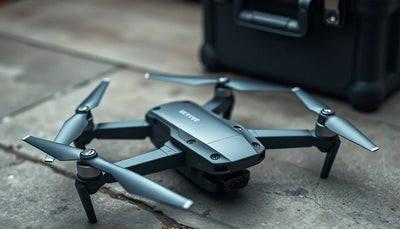
GA-ASI Mojave Completes First Battlefield Short Field Operations
General Atomics and Hanwha Aerospace completed the first-ever battlefield short field flight operations with the Mojave UAS, according to SUAS News. The milestone points to a growing defense market for runway-independent drone systems and broader implications for commercial fleet planning and pre-owned equipment demand.

Quick answer
General Atomics Aeronautical Systems and Hanwha Aerospace completed the first-ever battlefield short field flight operations with the Mojave UAS, as reported by SUAS News.
- GA-ASI and Hanwha Aerospace executed the milestone flight operations
- The Mojave UAS is the first drone to complete battlefield short field operations
- The event signals growing defense interest in runway-independent unmanned systems
- Commercial operators should watch how short-field capability influences procurement and fleet planning
Evidence: SUAS News · Defense.gov official source
Fleet readiness
Keep DJI hardware available without overbuying new units.
Use defense and fleet news as a planning signal for repair support, inspected pre-owned aircraft, and replacement timing.

Verified facts
What the available evidence confirms
| Entity | Role | Reported Development |
|---|---|---|
| General Atomics Aeronautical Systems (GA-ASI) | UAS manufacturer | Completed first battlefield short field operations with Mojave |
| Hanwha Aerospace | Aerospace partner | Supported the milestone flight operations |
| Mojave UAS | Short takeoff and landing drone | First UAS to complete battlefield short field operations |
General Atomics Aeronautical Systems (GA-ASI) and Hanwha Aerospace have completed the first-ever battlefield short field flight operations with the Mojave unmanned aircraft system, according to a report from SUAS News. The milestone was described as the first time the Mojave UAS has demonstrated short field operations in a battlefield context, a development that carries weight for defense procurement planners and, by extension, the broader commercial drone ecosystem.
The report, published by SUAS News, identifies the event as a first for the Mojave platform and positions the flight operations as a meaningful step for runway-independent unmanned systems. While the source summary does not include specific runway dimensions, payload figures, or operational duration, the central verified development is clear: a short takeoff and landing capable UAS has now completed battlefield short field operations with two major aerospace entities involved.
Why short field capability matters in defense procurement
Reboot Hub analysis: Short field operations reduce dependence on long, prepared runways, which is a practical advantage in contested or austere environments. The SUAS News report frames the Mojave flight as the first UAS to complete battlefield short field operations, a distinction that defense buyers are likely to notice. For procurement teams, a platform that can operate from constrained or unimproved surfaces changes basing assumptions and expands where unmanned systems can be deployed.
Reboot Hub analysis suggests that runway independence is becoming a more visible selection criterion in defense unmanned aircraft programs. When a manufacturer demonstrates short field operations in a battlefield setting, it signals that the platform may fit expeditionary missions where traditional fixed-wing drones would struggle. The practical implication for operators is to watch whether this capability influences future tender requirements and whether similar short-field features migrate into commercially available fixed-wing or hybrid vertical takeoff systems.
What this means for drone owners and the market
Defense milestones like the Mojave short field operation rarely stay isolated to military programs. The underlying engineering priorities, including ruggedized landing gear, short-distance takeoff performance, and operation from unimproved surfaces, often inform adjacent commercial segments such as inspection, cargo delivery, and agricultural survey. Fleet managers evaluating long-range fixed-wing platforms should monitor whether short-field capability becomes a differentiator in civilian procurement as well.
For pre-owned DJI drone buyers and repair customers, the immediate impact is indirect but real. Defense demand for specialized unmanned systems can shift supplier focus, component availability, and aftermarket pricing across the broader drone supply chain. Operators who rely on Drone Wiki resources to track platform lifecycles and repair considerations may find that military-adjacent engineering trends eventually influence the durability and serviceability expectations of commercial airframes. A buyer or fleet manager reviewing long-term equipment strategy should treat this milestone as an early signal that runway independence and rough-field durability are gaining commercial relevance. For owners evaluating service and lifecycle risk, Drone Wiki explains the relevant repair, parts, resale, or operational path.
Hanwha Aerospace and the international dimension
The involvement of Hanwha Aerospace places the Mojave short field milestone within an international collaboration framework. According to the SUAS News report, the flight operations were completed by GA-ASI and Hanwha Aerospace together. That partnership structure matters because defense unmanned aircraft programs increasingly involve cross-border industrial cooperation, which can affect export approvals, sustainment arrangements, and regional market access.
For commercial readers, the international element is a reminder that drone supply chains are rarely single-country affairs. Component sourcing, maintenance networks, and regulatory alignment often span multiple jurisdictions. When two established aerospace firms collaborate on a capability demonstration, it can accelerate standardization of certain operational concepts, including short field procedures and maintenance practices for unmanned systems operating away from fixed bases.
The broader runway-independence trend
The Mojave battlefield short field operation fits a wider pattern of unmanned systems moving away from traditional runway constraints. Vertical takeoff and landing drones, short takeoff and landing fixed-wing platforms, and hybrid configurations have all gained attention for their ability to operate in constrained spaces. The SUAS News report does not provide comparative performance data for other platforms, so direct technical comparisons would be unsupported. Still, the fact that GA-ASI chose to highlight a battlefield short field first suggests the company sees operational flexibility as a core selling point.
Operators should ask one practical question after reading this: does my next platform purchase account for where the aircraft will actually operate, not just where it is convenient to base it? Runway access, surface quality, and takeoff distance are operational constraints that affect mission frequency and maintenance cycles. A fleet manager who ignores short field performance may end up with a capable aircraft that cannot fly from the locations where work actually happens.
Sources consulted
The central development in this article is attributed to SUAS News, which reported that GA-ASI and Hanwha Aerospace completed the first-ever battlefield short field flight operations with the Mojave UAS. No official company statement or agency confirmation was available in the source data for independent verification. Reboot Hub analysis is limited to the reported milestone and its plausible market implications.
FAQ
Frequently asked questions
What did GA-ASI and Hanwha Aerospace achieve with the Mojave UAS?
According to SUAS News, the two companies completed the first-ever battlefield short field flight operations with the Mojave unmanned aircraft system. The source identifies the event as a first for the platform in a battlefield context.
Why does short field capability matter for drone buyers?
Short field capability reduces dependence on long, prepared runways, allowing unmanned aircraft to operate from constrained or unimproved surfaces. For fleet managers and buyers, this affects basing decisions, mission flexibility, and the types of locations where a platform can realistically operate.
How could this defense milestone affect the commercial drone market?
Defense engineering priorities such as ruggedized landing gear and short-distance takeoff performance often influence adjacent commercial segments over time. The milestone may also affect supplier focus and component availability, which has indirect implications for pre-owned drone pricing and repair demand.
Which sources support this update?
The visible evidence links identify SUAS News and Defense.gov official source; each source is used only for the claim it directly supports.
What remains subject to change?
Retail pricing, availability, product bundles and regulatory timelines can change. Readers should verify the latest terms with the named retailer, manufacturer or regulator before acting.
How should buyers or operators use this analysis?
Use the verified facts as a starting point, then compare mission fit, lifecycle support, maintenance needs and current procurement terms before making a purchase or fleet decision.
Konsultowane źródła
- SUAS News - primary source
- Defense.gov official source - official government source
Redakcja Reboot Hub dostarcza analizy zakupowe, serwisowe, odsprzedażowe i operacyjne dla właścicieli dronów. Jeśli zauważysz błąd, skontaktuj się z nami w celu weryfikacji poprawki zgodnie z naszą polityką redakcyjną.