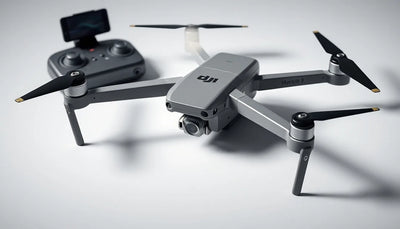
FCC Proposes Pulling Approved DJI Drones From US Shelves
The FCC has proposed reversing prior approvals and pulling already-sold DJI drones from US shelves. DJI calls it a total reversal. Here’s what commercial operators and pre-owned buyers should consider.

The Federal Communications Commission has proposed reversing its prior approvals and pulling previously approved DJI drones off retail shelves in the United States, according to a report from TechRadar. DJI publicly criticized the move, calling it a "total reversal" of the regulator's earlier stance. The proposal, as reported, signals a significant shift in the regulatory environment for the largest consumer and enterprise drone manufacturer operating in the US market.
For commercial UAV operators, fleet managers, and buyers in the pre-owned DJI market, this is not a distant policy debate. It is a direct challenge to the assumption that a drone approved for sale yesterday will remain a stable asset tomorrow. The source report indicates the FCC is now proposing to withdraw previously granted approvals, which would effectively remove these products from legal sale channels. This is a source-limited report, and no official FCC order, timeline, or enforcement mechanism has been independently verified beyond the TechRadar summary.
The FCC proposal and DJI's response
According to the TechRadar report, the FCC's proposal represents a complete shift from its earlier position, which had allowed DJI drones to be sold and operated in the US. The regulator is now proposing to pull previously approved drones off shelves, meaning the change would not just affect new shipments but also units already in the retail supply chain. DJI's response, as summarized in the source, frames this as a "total reversal," highlighting the abrupt nature of the regulatory pivot.
Operator checklist
Turn policy news into a safer fleet decision.
Before changing aircraft, compare repair paths, available DJI inventory, and trade-in timing against the rule change.

For fleet operators, the practical implication is that the legal status of existing inventory could change without a hardware modification or a safety recall. The proposal, if enacted, would affect the supply chain at the retail level, which in turn affects how operators source replacement units and spare parts. This is not a technical failure or a product defect; it is a compliance and market-access issue. For repair customers, the concern is less about the physical repair itself and more about whether the legal framework will continue to support the use of these aircraft in commercial operations.
Reboot Hub analysis: The phrase "total reversal" suggests the FCC is not making a minor adjustment but is reconsidering the fundamental basis for its prior approvals. For buyers, this means the regulatory risk profile of DJI equipment has changed, even if the hardware itself remains unchanged. The source does not specify which models are affected, nor does it provide a timeline for a final decision, so operators should treat this as an early-stage regulatory development with potentially wide-reaching consequences.
What this means for drone buyers
For commercial buyers, the immediate question is whether a drone purchased today will retain its legal status for the duration of its operational life. The FCC proposal, as reported, would pull previously approved drones off shelves, which suggests that the regulator is willing to revisit past decisions. This creates uncertainty for fleet planning, particularly for operators who rely on DJI platforms for daily revenue-generating missions.
For the pre-owned DJI market, the implications are twofold. First, if the proposal becomes final, the resale value of existing DJI units could be affected by their legal status, not just their physical condition. Second, buyers in the second-hand market should be cautious about acquiring inventory that may face new restrictions. The source does not indicate whether the proposal would grandfather existing owners, but the absence of such a guarantee in the report is itself a risk factor.
What should a buyer or fleet manager do differently after reading this? The prudent step is to avoid over-committing to new DJI inventory until the FCC's final decision is known. For operators with existing fleets, this is a good time to review operational contingency plans and to consider whether alternative platforms or dual-fleet strategies are warranted. For repair customers, the advice is to continue with professional maintenance, as the physical quality of the aircraft is not in question, but to monitor regulatory news closely before making large capital commitments.
Implications for fleet planning and the pre-owned market
The proposal, if enacted, would not just affect new retail sales; it would also create a two-tier market for used DJI drones. Units that were legally sold before the reversal could become subject to new restrictions, while the secondary market would need to adapt to a new compliance landscape. The TechRadar report does not specify whether the FCC would require the removal of drones already in the hands of operators, but the phrase "pull previously approved drones off shelves" suggests a retail-level action rather than a fleet-level confiscation.
For fleet operators, this distinction matters. If the action is limited to retail shelves, existing fleets may continue to operate under prior rules, but the ability to expand or replace units would be constrained. If the action extends to operational use, the impact would be far more severe. The source is silent on this point, so operators should not assume either outcome. Reboot Hub analysis: The most likely near-term effect is on new procurement and retail availability, which would push some buyers toward the pre-owned market, where legal status may be less clear.
For those considering pre-owned DJI drones, the key takeaway is to verify the provenance and legal status of any unit before purchase. A drone that was approved under the prior regime may not retain that status if the FCC finalizes its reversal. This is not a reason to avoid the market, but it is a reason to be more diligent about documentation and to work with sellers who can provide clear evidence of lawful acquisition.
Operational and repair considerations
For repair customers, the FCC proposal does not change the physical repair process. DJI aircraft remain serviceable, and professional DJI repair services will continue to use genuine OEM parts to restore aircraft to airworthy condition. However, the regulatory environment may affect the availability of new parts if the proposal disrupts the supply chain at the retail level. Operators should consider stocking critical spare parts now, before any potential supply disruption materializes.
The source does not indicate any change to DJI's manufacturing quality or the airworthiness of its products. The proposal is a regulatory action, not a safety finding. For fleet managers, this means the operational risk is not in the hardware but in the legal framework governing its use. A drone that is physically perfect but legally restricted has limited commercial value, so the focus should be on regulatory monitoring as much as on maintenance.
For buyers in the second-hand market, the drone trade-in guide approach becomes more relevant, as the value of a trade-in will increasingly depend on the legal status of the unit, not just its condition. Sellers should be transparent about the regulatory history of their units, and buyers should ask for documentation that supports lawful sale and operation. The proposal is not final, but the direction of travel is clear, and the market should price in this risk.
Frequently asked questions
Is the FCC ban on DJI drones final?
No. According to the TechRadar report, the FCC has proposed pulling previously approved drones off shelves, but this is a proposal, not a final rule. DJI has publicly criticized the move as a "total reversal," but no final decision or enforcement timeline has been confirmed in the source data.
Will existing DJI drone owners be affected?
The source report indicates the proposal would pull previously approved drones off retail shelves, but it does not specify whether units already in the hands of operators would be subject to new restrictions. Operators should monitor the regulatory process closely and avoid assuming that current operations will continue unchanged.
Should I buy a DJI drone now or wait?
Given the regulatory uncertainty, commercial buyers should exercise caution before making large new purchases. The pre-owned market may offer opportunities, but buyers should verify the legal status and documentation of any unit. Waiting for a final FCC decision may be the most prudent approach for large fleet commitments.
Konsultowane źródła
W momencie publikacji dodatkowa oficjalna dokumentacja nie była dostępna.
Redakcja Reboot Hub dostarcza analizy zakupowe, serwisowe, odsprzedażowe i operacyjne dla właścicieli dronów. Jeśli zauważysz błąd, skontaktuj się z nami w celu weryfikacji poprawki zgodnie z naszą polityką redakcyjną.