Echodyne radar joins BAE counter-drone system
BAE Systems is integrating Echodyne's EchoShield radar into its Anti Threat System for counter-drone operations. The move signals growing demand for layered detection as commercial drone activity expands and security buyers seek more precise tracking tools.

Quick answer
BAE Systems is integrating Echodyne's EchoShield radar into its Anti Threat System for counter-drone detection.
- BAE Systems selected Echodyne's EchoShield radar for its Anti Threat System.
- The integration adds another radar layer to BAE counter-drone operations.
- The development was reported by DroneDJ on November 13, 2026.
- It reflects growing investment in layered drone detection for security buyers.
Evidence: DroneDJ · AeroVironment unmanned systems solutions · DIU Blue UAS
Fleet readiness
Keep DJI hardware available without overbuying new units.
Use defense and fleet news as a planning signal for repair support, inspected pre-owned aircraft, and replacement timing.

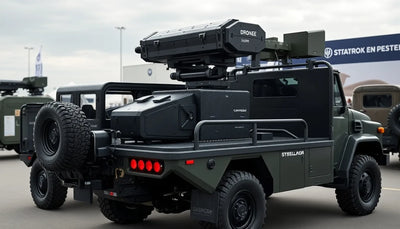
BAE Systems is adding a new radar layer to its counter-drone toolkit. According to reporting from DroneDJ, the defense contractor has selected Echodyne's EchoShield radar for integration into the BAE Systems Anti Threat System, known as BATS. The move places a compact, electronically scanned radar alongside existing detection capabilities in a platform aimed at identifying and tracking unauthorized drone activity.
The announcement, published by DroneDJ on November 13, 2026, points to a broader pattern in the security sector: counter-drone buyers are layering multiple sensor types rather than relying on any single detection method. For commercial drone operators, fleet managers, and buyers in adjacent markets, that pattern is worth watching closely. It affects how airspace is monitored, how security procurement budgets are shaped, and how the broader drone ecosystem continues to mature.
What the BAE and Echodyne integration involves
DroneDJ reports that Echodyne's EchoShield radar has been selected for integration into the BAE Systems Anti Threat System. The reporting describes the addition as another layer of radar capability for BAE's counter-drone operations. The Anti Threat System is positioned as a platform for detecting and responding to drone threats, and the EchoShield radar brings a specific detection function to that architecture.
The source material does not provide detailed technical specifications, range figures, or integration timelines. Reboot Hub has not independently verified operational parameters, and no official spec context was available for this article. What is clear from the reporting is that BAE Systems sees value in adding a dedicated radar sensor to its counter-drone stack. For procurement teams and security planners, that suggests a continued shift toward multi-sensor architectures rather than single-point solutions.
Why layered radar matters in counter-drone operations
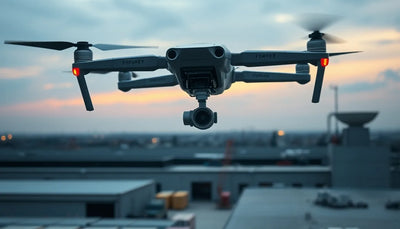
Counter-drone detection has historically relied on a mix of radio frequency scanning, electro-optical cameras, acoustic sensors, and radar. Each method has strengths and blind spots. Cameras can struggle in low light or bad weather. RF detection depends on the drone emitting signals. Radar offers a different profile: it can detect and track objects based on physical movement, independent of the drone's communication links.
The DroneDJ report frames the Echodyne selection as a strengthening of BAE's detection capability. That framing aligns with a security market that increasingly treats drone detection as a layered problem. A radar layer can help operators spot drones that are not emitting identifiable RF signatures or that are flying in conditions where visual tracking is unreliable. For commercial operators, this matters because the same detection logic can eventually influence how airports, stadiums, industrial sites, and public venues manage nearby airspace.
What this means for drone owners and the market
For commercial drone pilots and fleet managers, the BAE-Echodyne development is not an immediate operational change. It does not alter flight rules, registration requirements, or airspace authorization processes. But it does signal that security buyers are investing in more capable detection infrastructure. As counter-drone systems become more common at critical sites, operators should expect more scrutiny of flights near those locations. Understanding how detection systems work can help pilots plan routes, avoid sensitive perimeters, and maintain professional relationships with site managers and security teams.
The development also carries a secondary market signal. As detection and security technology advances, the broader drone ecosystem becomes more structured and monitored. That trend can support demand for well-documented, compliant aircraft and professional maintenance practices. For buyers evaluating pre-owned DJI drones or planning fleet refresh cycles, the growing emphasis on accountability and traceability in the airspace makes condition history, firmware status, and repair documentation more commercially relevant. Reboot Hub analysis suggests that operators who keep clear maintenance records and understand their aircraft's operational profile are better positioned as security expectations evolve. For readers tracking these market shifts, the Drone Wiki offers reference material on drone ownership, maintenance, and market planning. For owners evaluating service and lifecycle risk, Drone Wiki explains the relevant repair, parts, resale, or operational path.
Fleet managers should also note that counter-drone investment is not limited to military buyers. The DroneDJ report focuses on BAE Systems, a defense contractor, but the underlying technology category has applications across airports, energy infrastructure, correctional facilities, and large public venues. As those buyers adopt layered detection, commercial operators flying near such sites may encounter more formal coordination requests or temporary flight restrictions. Preparing for that reality now is a practical step for any operator with recurring missions near sensitive infrastructure.
The bigger picture for defense and commercial drone markets
The BAE-Echodyne integration is one data point in a larger defense and security technology cycle. Defense contractors are increasingly partnering with specialized sensor makers rather than building every detection capability in-house. That pattern mirrors what has happened in the commercial drone market, where airframe makers, software providers, and sensor manufacturers form ecosystems rather than fully vertical stacks.
Reboot Hub analysis: For commercial readers, the relevant takeaway is not about the specific radar unit. It is about the direction of investment. Security buyers are spending on detection, tracking, and response systems. That spending supports a more defined regulatory and operational environment for drones. It also reinforces the idea that drones are now a permanent part of the airspace conversation, not a passing trend. Operators who treat their aircraft as professional assets, with documented maintenance and clear ownership history, are likely to navigate that environment more smoothly than those who do not.
FAQ
Frequently asked questions
What did BAE Systems announce about Echodyne radar?
According to DroneDJ, BAE Systems selected Echodyne's EchoShield radar for integration into its Anti Threat System, adding another radar layer to its counter-drone detection operations.
Does this change drone flight rules for commercial operators?
Reboot Hub analysis: No immediate rule changes are reported. The development signals increased investment in counter-drone detection infrastructure, which may lead to more scrutiny near sensitive sites over time.
Should fleet managers adjust their planning because of this news?
Fleet managers should monitor counter-drone adoption near airports, energy sites, and public venues. Maintaining clear maintenance records and understanding detection trends can help operators coordinate more effectively with security teams.
Which sources support this update?
The visible evidence links identify DroneDJ and AeroVironment unmanned systems solutions and DIU Blue UAS; each source is used only for the claim it directly supports.
What remains subject to change?
Retail pricing, availability, product bundles and regulatory timelines can change. Readers should verify the latest terms with the named retailer, manufacturer or regulator before acting.
How should buyers or operators use this analysis?
Use the verified facts as a starting point, then compare mission fit, lifecycle support, maintenance needs and current procurement terms before making a purchase or fleet decision.
Konsultowane źródła
- DroneDJ - primary source
- AeroVironment unmanned systems solutions - official company source
- DIU Blue UAS - official government source
Redakcja Reboot Hub dostarcza analizy zakupowe, serwisowe, odsprzedażowe i operacyjne dla właścicieli dronów. Jeśli zauważysz błąd, skontaktuj się z nami w celu weryfikacji poprawki zgodnie z naszą polityką redakcyjną.