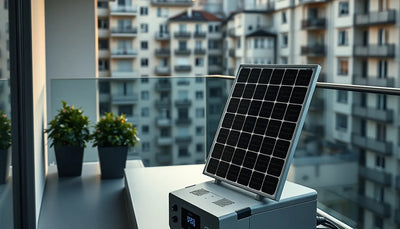
DJI Power 2000 Gains Wall Charging Outside the US Market
DJI has added wall-socket charging to the Power 2000 in select markets, but the feature is not available in America. DroneXL reports the change, which matters for fleet operators and buyers evaluating portable power for field charging, repair workflows, and pre-owned DJI equipment.

Quick answer
DJI has enabled wall-socket charging for the Power 2000 in select markets, but the feature is not available in America, according to DroneXL.
- The change is reported by DroneXL, not confirmed by DJI in the source material.
- US-based operators should not assume wall charging is available on current inventory.
- The market split may affect how buyers evaluate new and pre-owned DJI power stations.
- Fleet managers should verify regional charging capabilities before purchasing or deploying units.
Verified facts
DJI buying context
Match product news to hardware you can actually deploy.
Check inspected DJI aircraft, repair support, and trade-in timing before deciding whether to upgrade, repair, or wait.

What the available evidence confirms
| Market | Wall-socket charging status | Reported by |
|---|---|---|
| Select non-US markets | Available | DroneXL |
| United States | Not available | DroneXL |
The DJI Power 2000 portable power station has gained a practical new charging option in select markets, but the update does not extend to the United States. According to a report from DroneXL, the unit can now plug directly into a wall socket in certain regions, a change that simplifies recharging for operators who previously relied on other input methods. The report does not specify which markets received the feature or whether a firmware or hardware revision enabled it.
For commercial drone operators, field crews, and repair technicians who depend on portable power for charging flight batteries, running bench equipment, or supporting mobile workflows, regional feature differences carry real operational weight. A power station that charges from a standard wall outlet reduces downtime and simplifies logistics. When that capability is absent in a major market like the United States, buyers must pay closer attention to exactly what they are purchasing and where it will be used.
The reported change and its limits
DroneXL is the primary reporting source for this development. The outlet states that the DJI Power 2000 now plugs into a wall socket, but explicitly notes that the feature is not available in America. The source material does not include confirmation from DJI, a release date, a list of eligible countries, or technical details about charging speed, input voltage, or whether existing units can be updated to support wall charging.
That absence of detail matters. A regional feature split can stem from certification differences, electrical standards, supply chain decisions, or phased rollout strategies. Without official confirmation, operators should treat the report as a market signal rather than a product specification. Anyone managing a mixed fleet across borders should verify regional capabilities before assuming that a Power 2000 purchased in one country will behave identically to a unit purchased elsewhere.
The practical implication is straightforward: US-based buyers should not assume that current inventory includes wall-socket charging. If the feature is a deciding factor, procurement teams need to ask suppliers directly and document the answer. This is especially relevant for organizations that standardize on specific power equipment for field operations.
What this means for drone owners and the market
Portable power stations have become a quiet but important part of commercial drone operations. They support multi-battery flight days, remote charging, emergency power for ground stations, and even bench work during mobile repair jobs. A unit that charges faster or more conveniently from a wall outlet reduces the number of power sources a crew must manage. When a feature like wall charging is available in some regions but not others, it creates an uneven ownership experience for the same model name.
For buyers evaluating pre-owned DJI power equipment, the regional split introduces a new inspection question. A used Power 2000 sourced from a non-US market may carry wall-charging capability that a US-market unit lacks, or vice versa depending on hardware revisions. Operators shopping the second-hand market should ask about the unit's original region and charging behavior before purchase. For those researching DJI power hardware and repair considerations, the Drone Wiki offers a reference point for understanding equipment differences and ownership decisions. For owners evaluating service and lifecycle risk, Drone Wiki explains the relevant repair, parts, resale, or operational path.
Fleet managers should also consider how regional feature gaps affect resale value and cross-border deployment. A unit purchased in a market with wall charging may be more attractive to buyers in that region, while US-market units could face different expectations. None of this is catastrophic, but it rewards careful documentation and region-aware purchasing.
Charging logistics and field operations
Charging logistics shape how drone teams plan their days. A power station that recharges from a wall socket can be topped up overnight at a hotel, in a workshop, or at a client site without specialized adapters or vehicle-based charging setups. That flexibility reduces the number of variables a field team must manage. When the feature is absent, operators may need to rely on solar input, vehicle charging, or other methods depending on the unit's supported inputs.
The DroneXL report does not detail which alternative charging methods remain standard on US-market Power 2000 units, nor does it confirm whether wall charging will eventually arrive in America. Operators should therefore avoid making assumptions about future updates. The responsible approach is to evaluate the unit as it exists today in the region where it will be used.
Repair and service providers should also note the development. If wall charging involves a hardware change, repair parts and diagnostic procedures could differ between regional variants. A technician working on a Power 2000 should confirm the unit's region and charging configuration before ordering parts or performing firmware-related work. This is a small but meaningful addition to intake checklists for shops that service DJI power equipment.
Buyer guidance and next steps
The immediate takeaway for a buyer, pilot, or fleet manager is to verify regional charging capability before committing to a Power 2000 purchase. Ask the seller whether the specific unit supports wall-socket charging, confirm the original market, and document the answer in procurement records. For pre-owned purchases, request the unit's region history and test the charging behavior if possible.
Operators who already own Power 2000 units in the United States should not expect the reported feature to appear without an official DJI announcement. Monitoring DJI's regional product pages and authorized dealer communications is the most reliable way to track any future change. Until then, the US market appears to remain without wall-socket charging on this model, according to the DroneXL report.
The broader lesson is that product names do not always mean identical capabilities across borders. Drone operators, repair customers, and procurement teams benefit from treating regional availability as a core specification, not an afterthought. A few minutes of verification can prevent a mismatched purchase or an awkward field discovery.
FAQ
Frequently asked questions
Is the DJI Power 2000 wall charging feature available in the United States?
No. According to the DroneXL report, the wall-socket charging feature is not available in America, even though it has appeared in select other markets.
Did DJI officially confirm the Power 2000 wall charging update?
The source material does not include official confirmation from DJI. The development is attributed to DroneXL reporting, and no release date, market list, or technical details were provided.
What should a US buyer do before purchasing a DJI Power 2000?
US buyers should ask the seller whether the specific unit supports wall-socket charging, confirm its original market, and document the answer. Pre-owned buyers should also request region history and test charging behavior when possible.
Which sources support this update?
The article distinguishes reported information from analysis and does not present an unverified source as official confirmation.
What remains subject to change?
Retail pricing, availability, product bundles and regulatory timelines can change. Readers should verify the latest terms with the named retailer, manufacturer or regulator before acting.
How should buyers or operators use this analysis?
Use the verified facts as a starting point, then compare mission fit, lifecycle support, maintenance needs and current procurement terms before making a purchase or fleet decision.
Konsultowane źródła
- dronexl.co via Google News - primary source
W momencie publikacji dodatkowa oficjalna dokumentacja nie była dostępna.
Redakcja Reboot Hub dostarcza analizy zakupowe, serwisowe, odsprzedażowe i operacyjne dla właścicieli dronów. Jeśli zauważysz błąd, skontaktuj się z nami w celu weryfikacji poprawki zgodnie z naszą polityką redakcyjną.