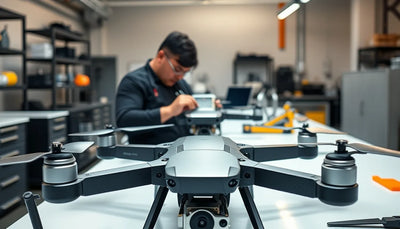
DJI Phantom 4 Pro V2.0 Nears End of Service Life
DJI is moving the Phantom 4 Pro V2.0 toward retirement, DroneDJ reports. The shift signals tighter service windows and rising parts scarcity for owners, fleet operators, and pre-owned buyers weighing long-term support.

Quick answer
DroneDJ reports that the DJI Phantom 4 Pro V2.0 is heading for retirement, signaling reduced long-term service and parts availability for owners and fleet operators.
- The Phantom 4 Pro V2.0 paired a 1-inch sensor with a mechanical shutter and 4K/60fps video.
- Compact camera drones have since overtaken the Phantom lineup in the consumer and prosumer market.
- Owners should evaluate repair support, OEM spare parts access, and pre-owned resale timing.
- The development matters most for operators still running Phantom 4 Pro V2.0 units in active fleets.
Evidence: DroneDJ
DJI buying context
Match product news to hardware you can actually deploy.
Check inspected DJI aircraft, repair support, and trade-in timing before deciding whether to upgrade, repair, or wait.

DJI is preparing to retire the Phantom 4 Pro V2.0, according to reporting by DroneDJ. The aircraft, long regarded as one of the Phantom lineup’s standout models, helped make serious aerial photography accessible to a wider range of pilots before compact camera drones reshaped the market. The report frames the move as a natural but commercially significant transition for owners, repair customers, and operators still flying the platform.
For commercial drone buyers and fleet managers, the retirement signal is not simply a historical footnote. It carries practical consequences for service planning, spare parts availability, insurance decisions, and the pre-owned DJI market. Understanding what is changing, and what remains uncertain, helps operators avoid being caught mid-season with an aircraft that is difficult to support.
What the DroneDJ report says about the Phantom 4 Pro V2.0
DroneDJ’s reporting identifies the Phantom 4 Pro V2.0 as a standout model in the Phantom series, citing its 1-inch sensor, mechanical shutter, and 4K/60fps video capability. Those features positioned the aircraft as a serious tool for aerial imaging at a time when compact alternatives had not yet matched its balance of image quality and flight performance. The source describes the Phantom as the aircraft that helped put serious aerial photography within reach of more people.
The retirement direction reflects a broader product shift. Compact camera drones have taken over much of the market that the Phantom once defined. For operators, the important detail is not that DJI is retiring an older model, but that the Phantom 4 Pro V2.0 has reached a stage where long-term support assumptions need to be revisited. DroneDJ’s report does not specify an exact end-of-service date, so owners should treat the development as a warning sign rather than an immediate cutoff.
Repair, spare parts, and service planning implications
Retirement signals for a DJI platform tend to narrow the practical options for professional repair and genuine OEM spare parts over time. Even when a model remains flyable, sourcing components such as gimbal assemblies, camera modules, landing gear, or motor arms can become less predictable. For commercial operators, that unpredictability translates into downtime risk and higher maintenance costs if a unit is damaged during a job.
Operators still running Phantom 4 Pro V2.0 aircraft should inventory their current condition and assess whether preventive maintenance is warranted. A unit that is flown regularly for client work may benefit from proactive inspection while parts are still reasonably accessible. Waiting until a failure occurs can leave a fleet manager scrambling for components that are no longer readily available through normal channels.
What this means for drone owners and the market
The retirement trajectory of the Phantom 4 Pro V2.0 has direct implications for the pre-owned DJI market. Sellers may find that buyer interest shifts as service uncertainty grows, while buyers should weigh the aircraft’s imaging strengths against the practical reality of diminishing support. A pre-owned Phantom 4 Pro V2.0 can still deliver excellent results, but its value proposition changes once repair logistics become less certain.
For operators evaluating whether to keep flying the platform or transition to a newer airframe, the key question is operational exposure. If the aircraft is a backup unit or used for lower-risk work, continued operation may make sense. If it is a primary revenue generator, the retirement signal strengthens the case for planning a phased replacement. Fleet managers should also consider how parts scarcity could affect resale value and insurance claims. Readers tracking repair and parts availability across DJI platforms can consult the Drone Wiki for broader context on service considerations. For owners evaluating service and lifecycle risk, Drone Wiki explains the relevant repair, parts, resale, or operational path.
What operators should do differently now
The most practical step for a Phantom 4 Pro V2.0 owner is to treat the retirement report as a prompt for a service review. That means checking the aircraft’s physical condition, confirming battery health, and identifying any components that are already showing wear. Operators who rely on the platform for paid work should consider whether a backup airframe or a staged transition plan reduces their exposure to parts scarcity.
Buyers in the pre-owned market should ask more detailed questions before purchasing a Phantom 4 Pro V2.0. The relevant inquiry is no longer just about flight hours or cosmetic condition. It now includes whether the seller can document recent service history, whether critical spare parts are included, and whether the price reflects the reality of a platform moving toward retirement. A lower purchase price can be offset quickly if a single repair becomes difficult to complete.
For repair customers, the message is to act early rather than react late. If a Phantom 4 Pro V2.0 shows signs of gimbal instability, camera error, or motor wear, addressing the issue while OEM-pulled parts and professional repair options remain available is the safer commercial decision. Delaying maintenance on a retiring platform increases the chance that a minor issue becomes a grounding event.
FAQ
Frequently asked questions
Is the DJI Phantom 4 Pro V2.0 still worth buying in 2026?
The Phantom 4 Pro V2.0 can still be a capable imaging platform, but buyers should factor in the retirement signal reported by DroneDJ. The aircraft’s 1-inch sensor and mechanical shutter remain valuable for certain aerial photography tasks, yet long-term parts and repair access are becoming a more significant consideration.
What should current Phantom 4 Pro V2.0 owners do about repair planning?
Owners should inspect their aircraft now and address any developing issues while professional repair and genuine OEM spare parts are still reasonably accessible. For commercial operators, a phased replacement plan or a designated backup unit reduces downtime risk as service options narrow.
How does the Phantom 4 Pro V2.0 retirement affect the pre-owned DJI market?
Retirement signals tend to shift buyer expectations and resale pricing. Sellers may face more scrutiny about service history and included parts, while buyers should weigh the platform’s imaging strengths against the practical reality of diminishing long-term support.
Which sources support this update?
The visible evidence links identify DroneDJ; each source is used only for the claim it directly supports.
What remains subject to change?
Retail pricing, availability, product bundles and regulatory timelines can change. Readers should verify the latest terms with the named retailer, manufacturer or regulator before acting.
How should buyers or operators use this analysis?
Use the verified facts as a starting point, then compare mission fit, lifecycle support, maintenance needs and current procurement terms before making a purchase or fleet decision.
Konsultowane źródła
- DroneDJ - primary source
W momencie publikacji dodatkowa oficjalna dokumentacja nie była dostępna.
Redakcja Reboot Hub dostarcza analizy zakupowe, serwisowe, odsprzedażowe i operacyjne dla właścicieli dronów. Jeśli zauważysz błąd, skontaktuj się z nami w celu weryfikacji poprawki zgodnie z naszą polityką redakcyjną.