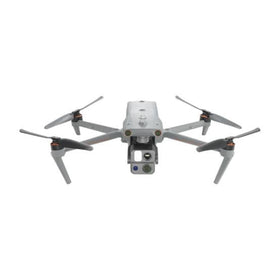
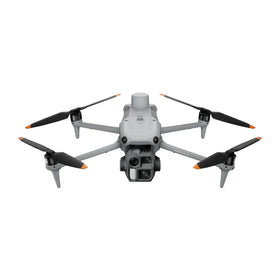
Axon Takes 37% Stake in Skydio, Becomes Sole Police Drone Channel
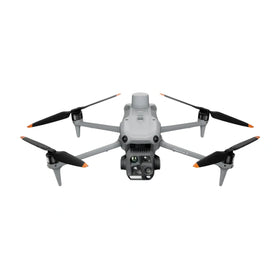
Axon is investing $1.2 billion in Skydio for a 37% stake and becoming the only public safety channel for Skydio drones in the US and Canada. The move concentrates police drone procurement and could reshape fleet planning, service access, and the broader commercial drone market.

Quick answer
Axon is investing $1.2 billion in Skydio for a 37% stake at a $5.2 billion valuation and will become the only public safety channel for Skydio drones in the US and Canada, according to DroneXL.co.
- Axon gains a 37% ownership stake in Skydio
- The deal values Skydio at $5.2 billion
- Axon becomes Skydio's exclusive US and Canada public safety distributor
- The arrangement applies to police and public safety drone procurement
Evidence: DroneXL.co
Fleet readiness
Keep DJI hardware available without overbuying new units.
Use defense and fleet news as a planning signal for repair support, inspected pre-owned aircraft, and replacement timing.

DroneXL.co reported on November 6, 2026, that Axon is investing $1.2 billion in Skydio, taking a 37% stake in the American drone maker at a $5.2 billion valuation. The deal also makes Axon the only public safety channel for Skydio drones in the United States and Canada, meaning police agencies and other public safety buyers will purchase Skydio hardware through Axon rather than through Skydio's own sales operation or third-party resellers.
The announcement matters well beyond the two companies involved. Skydio has been one of the most visible American alternatives to DJI in the public safety and defense space, and Axon is already deeply embedded in law enforcement procurement through its Taser devices, body cameras, and digital evidence management software. Combining those sales channels with a drone hardware line concentrates a meaningful slice of the North American police drone market under one commercial roof.
What the Axon-Skydio arrangement actually changes
According to the DroneXL.co report, Axon's investment gives it a 37% ownership position in Skydio, while the distribution arrangement makes Axon the exclusive public safety channel for Skydio in the US and Canada. That is a structural change, not a routine reseller agreement. Public safety agencies that previously could evaluate Skydio through multiple routes will now face a single procurement path for new hardware in those markets.
For fleet managers and municipal buyers, the practical question is whether the Axon channel simplifies purchasing or reduces flexibility. Axon's existing relationships with police departments could make Skydio drones easier to bundle into broader public safety technology contracts. At the same time, a single-channel model can limit price discovery and make it harder for agencies to compare terms across competing vendors. The reported valuation of $5.2 billion also signals that investors see public safety drone demand as a durable revenue stream rather than a short-term procurement cycle.
What this means for drone owners and the market
Commercial operators and repair customers should watch this deal for what it says about the broader US drone supply chain. Skydio has positioned itself as a domestic alternative to DJI for agencies that face restrictions on Chinese-made hardware. If Axon's distribution muscle accelerates Skydio adoption in law enforcement, it could reinforce the split between a public sector market moving toward American-made platforms and a commercial market where DJI remains dominant for cost and capability reasons.
That split has direct consequences for pre-owned DJI drone owners and buyers. A stronger domestic public safety ecosystem does not immediately change the value of used DJI aircraft, but it can influence how regulators, insurers, and enterprise procurement teams think about fleet composition. Operators who fly DJI equipment for commercial work may see more pressure to justify their hardware choices in contracts that touch government or critical infrastructure. For buyers evaluating inspected pre-owned DJI drones, the relevant question is whether their use case sits inside or outside the public sector procurement logic that this Axon-Skydio deal reinforces. Reboot Hub maintains a Drone Wiki for operators who want to track platform-specific service and ownership details as market conditions shift.
Repair and spare parts considerations also come into play. Skydio's service model has historically been more closed than DJI's, with fewer independent repair options and tighter control over parts distribution. If Axon becomes the primary public safety channel, agencies may find that maintenance and support are bundled into enterprise agreements rather than handled through independent repair providers. That could make total cost of ownership harder to compare against DJI fleets, where independent service networks and OEM-pulled parts are more established. For owners evaluating service and lifecycle risk, Drone Wiki explains the relevant repair, parts, resale, or operational path.
Procurement concentration and second-order effects
The exclusive channel arrangement raises a familiar tension in public sector technology buying. On one side, a single accountable vendor can streamline training, support, and warranty handling. On the other, concentration can reduce competitive pressure on pricing and slow the feedback loop that drives product improvement. DroneXL.co's reporting frames the deal as a major capital event, but the operational details of how Axon will handle service, training, and parts fulfillment remain open questions for agencies that already operate Skydio fleets.
For fleet managers, the immediate action item is to review existing Skydio support agreements and understand whether the Axon channel changes renewal terms or service escalation paths. Agencies with mixed fleets that include DJI, Skydio, and other platforms should also assess whether this deal accelerates any internal push toward American-made hardware. A procurement shift at the agency level can change which drones are available for secondary market resale, which in turn affects pricing for pre-owned equipment across the broader market.
The longer view for commercial operators
This deal is a signal about where institutional capital sees the drone market heading. A $1.2 billion investment and a $5.2 billion valuation for Skydio suggest that public safety and defense-adjacent drone sales are expected to grow steadily, even as consumer and commercial segments remain fragmented. For independent operators, that means the market is bifurcating: one track driven by government procurement, security requirements, and domestic manufacturing preferences, and another track driven by price, capability, and ease of repair.
Operators who fly DJI equipment should not read this as an immediate threat to their business, but they should recognize that public sector procurement decisions can shape regulatory and insurance expectations over time. A buyer deciding between a new enterprise platform and a pristine pre-owned DJI aircraft should weigh not just today's price and performance, but also how their client base views hardware origin and serviceability. The Axon-Skydio arrangement does not change DJI's technical capabilities, but it does reinforce the institutional momentum behind American-made alternatives in specific segments.
FAQ
Frequently asked questions
What did Axon and Skydio announce?
According to DroneXL.co, Axon is investing $1.2 billion in Skydio for a 37% stake at a $5.2 billion valuation, and Axon will become the only public safety channel for Skydio drones in the US and Canada.
Does this affect DJI drone owners?
Not directly in the near term. The deal concerns Skydio's public safety distribution in North America. However, it reinforces the split between government procurement favoring American-made platforms and the commercial market where DJI remains widely used, which could influence contract requirements over time.
What should fleet managers do differently now?
Reboot Hub analysis: Fleet managers operating Skydio equipment should review existing support and renewal agreements to understand how the Axon channel may change service, training, or parts access. Mixed-fleet operators should also assess whether their agency or clients are likely to shift procurement toward American-made platforms.
Which sources support this update?
The visible evidence links identify DroneXL.co; each source is used only for the claim it directly supports.
What remains subject to change?
Retail pricing, availability, product bundles and regulatory timelines can change. Readers should verify the latest terms with the named retailer, manufacturer or regulator before acting.
How should buyers or operators use this analysis?
Use the verified facts as a starting point, then compare mission fit, lifecycle support, maintenance needs and current procurement terms before making a purchase or fleet decision.
This article is market commentary for drone operators and buyers, not investment advice. Reboot Hub does not recommend securities transactions.
Konsultowane źródła
- DroneXL.co - primary source
W momencie publikacji dodatkowa oficjalna dokumentacja nie była dostępna.
Redakcja Reboot Hub dostarcza analizy zakupowe, serwisowe, odsprzedażowe i operacyjne dla właścicieli dronów. Jeśli zauważysz błąd, skontaktuj się z nami w celu weryfikacji poprawki zgodnie z naszą polityką redakcyjną.