Aevex Drone-Launching Boats Sunk by Navy, Report Says
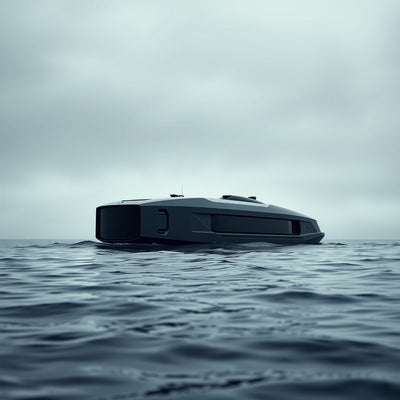
A report that the U.S. Navy sank Aevex drone-launching speedboats has rattled the company's stock. The vessels were designed to carry up to 1,000 pounds of payload at 46 miles per hour, according to the source.

Quick answer
A Yahoo Finance report says the U.S. Navy sank Aevex drone-launching speedboats, and the company's stock is falling.
- The boats can carry up to 1,000 pounds of payload
- The boats can travel at up to 46 miles per hour
- The report is attributed to Yahoo Finance
- Aevex stock is described as crumbling
Evidence: Source material
Fleet readiness
Keep DJI hardware available without overbuying new units.
Use defense and fleet news as a planning signal for repair support, inspected pre-owned aircraft, and replacement timing.

Verified facts
What the available evidence confirms
| Attribute | Reported detail |
|---|---|
| Payload capacity | Up to 1,000 pounds |
| Top speed | Up to 46 miles per hour |
| Reported outcome | Boats sunk by U.S. Navy, per Yahoo Finance report |
| Market reaction | Aevex stock falling |
A Yahoo Finance report published this week says the U.S. Navy sank Aevex drone-launching speedboats, and the market response has been sharp. The report describes the vessels as capable of carrying up to 1,000 pounds of payload and traveling at up to 46 miles per hour. Aevex stock is described as crumbling following the news.
The development matters beyond one defense contractor's share price. Small unmanned surface vessels have become a closely watched category for military planners, maritime security operators, and the broader commercial drone ecosystem. When a high-profile program loses hardware in this way, procurement teams and fleet operators pay attention to what it signals about durability, mission fit, and program continuity.
What the source reports
The central claim in the Yahoo Finance piece is that the Navy sank the Aevex boats. The source does not provide operational context for why the vessels were sunk, where the event occurred, or whether the sinking was part of a planned test, a disposal decision, or an operational loss. Reboot Hub analysis should treat those details as unconfirmed because the source data does not include them.
What the source does specify is the vessel profile: up to 1,000 pounds of payload capacity and a top speed of up to 46 miles per hour. Those figures describe a small, fast surface platform that could plausibly support drone launch, recovery, or sensor payload missions. For commercial readers, the useful takeaway is not the precise engineering, but the fact that a publicly traded defense company is now facing market pressure tied to a reported loss of physical assets.
Why defense unmanned surface vessels matter to the drone market
Drone-launching boats sit at the intersection of maritime operations and uncrewed aviation. A vessel that can carry a meaningful payload at high speed expands where drones can be staged, launched, and recovered. That has implications for coastal surveillance, offshore infrastructure inspection, search and rescue support, and contested maritime environments.
For commercial drone operators, the Aevex report is a reminder that platform reliability and mission continuity are not abstract concerns. When a defense program loses hardware, the downstream effects can include delayed orders, revised requirements, and shifting supplier priorities. Fleet managers who depend on specific airframes or ground support equipment often discover that a defense contractor's setback can ripple into component availability and service timelines.
What this means for drone owners and the market
The immediate commercial impact is concentrated in the defense and maritime robotics segment, but the broader signal is worth watching. A sharp stock decline tied to a reported asset loss can pressure a company to conserve cash, delay non-core programs, or renegotiate supplier terms. For buyers and operators, that can translate into slower support, fewer spare parts in the pipeline, or reduced investment in adjacent product lines.
For pre-owned drone buyers and repair customers, the lesson is about supply chain fragility. When a defense or enterprise program absorbs a setback, the secondary market often feels it later through constrained part availability or shifting service priorities. Operators who maintain their own fleets should track which suppliers are exposed to troubled programs and plan maintenance accordingly. Reboot Hub's Drone Wiki is a practical reference for understanding how platform decisions, repair workflows, and market shifts connect across the drone ecosystem. For owners evaluating service and lifecycle risk, Drone Wiki explains the relevant repair, parts, resale, or operational path.
What should a buyer or operator do differently after reading this? At minimum, avoid assuming that a defense contractor's product roadmap will remain stable after a reported program loss. If you operate maritime or coastal drone missions, monitor whether Aevex or its suppliers adjust production, support, or delivery commitments. For those managing mixed fleets, this is a good moment to confirm that your spare parts and service relationships are diversified enough to absorb a supplier shock.
Market context and what to watch next
The Aevex stock move fits a familiar pattern in defense and robotics markets: a single report about physical asset loss can trigger outsized investor reaction when the program is small and the company's narrative depends on growth. The source describes the stock as crumbling, which suggests the market is pricing in more than just the value of the boats themselves.
What to watch next is whether Aevex or the Navy issues any formal statement, whether the reported sinking affects follow-on orders, and whether the company revises guidance or program timelines. For commercial readers, the absence of confirmed operational detail in the source means the story should be tracked rather than treated as settled. The only verified facts are the reported sinking, the payload and speed figures, and the stock reaction.
FAQ
Frequently asked questions
What exactly did the report say happened?
The Yahoo Finance report says the U.S. Navy sank Aevex drone-launching speedboats. The source does not provide a confirmed reason, location, or date for the sinking.
What are the reported specifications of the boats?
According to the source, the speedboats can carry up to 1,000 pounds of payload and travel at up to 46 miles per hour.
How should drone operators respond to this news?
Operators should monitor whether the reported loss affects Aevex program continuity, supplier commitments, or parts availability, and consider whether their own fleet support relationships are diversified enough to absorb a supplier setback.
Which sources support this update?
The visible evidence links identify Source material; each source is used only for the claim it directly supports.
What remains subject to change?
Retail pricing, availability, product bundles and regulatory timelines can change. Readers should verify the latest terms with the named retailer, manufacturer or regulator before acting.
How should buyers or operators use this analysis?
Use the verified facts as a starting point, then compare mission fit, lifecycle support, maintenance needs and current procurement terms before making a purchase or fleet decision.
Konsultowane źródła
- Source material - primary source
W momencie publikacji dodatkowa oficjalna dokumentacja nie była dostępna.
Redakcja Reboot Hub dostarcza analizy zakupowe, serwisowe, odsprzedażowe i operacyjne dla właścicieli dronów. Jeśli zauważysz błąd, skontaktuj się z nami w celu weryfikacji poprawki zgodnie z naszą polityką redakcyjną.
Niniejszy artykuł stanowi komentarz rynkowy dla operatorów i nabywców dronów, a nie poradę inwestycyjną. Reboot Hub nie świadczy porad finansowych ani nie rekomenduje transakcji papierami wartościowymi.