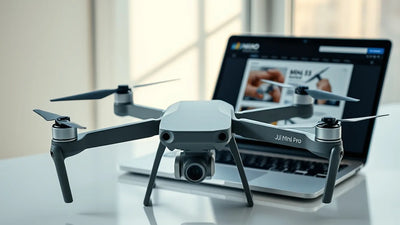
Toy Drones Win in Washington While Commercial Pilots Feel the Squeeze
A new report from DroneXL.co details how recreational toy drone operators are gaining regulatory ground in Washington, while commercial pilots face tighter restrictions. The imbalance raises questions about fleet planning, repair demand, and second-hand drone values.

Editorial notes
- This article combines named outside reporting with Reboot Hub's own analysis for drone buyers, fleet operators, repair customers, and pre-owned DJI market watchers.
- Source facts are separated from interpretation. When a report provides limited data, the article states that limitation and frames Reboot Hub's view as analysis.
- Reboot Hub has commercial links to drone products and repair services; those links are reader resources and do not determine the article's conclusion.
A recent analysis published by DroneXL.co paints a stark picture of the current drone regulatory landscape in Washington: toy drones are winning, and working pilots keep losing. The article, which has been widely shared across industry circles, suggests that policymakers are increasingly prioritizing the interests of recreational—often untrained—drone users over those of certified commercial operators. For anyone earning a living with a drone, or investing in a fleet for enterprise use, the implications are both immediate and long-term.

The report does not name specific bills or agency rulings, but it argues that the cumulative effect of recent rulemaking and enforcement priorities has created a widening gap between how “toy” drones and professional drones are treated. Commercial pilots operating under Part 107 face strict altitude limits, remote ID requirements, operating area restrictions, and record-keeping duties that can slow down field operations. Meanwhile, the article notes, toy drone flyers—those using sub-250-gram aircraft for recreation—often enjoy exemptions from many of these same rules, even when flying in sensitive airspace.
The regulatory gap exposed by the source
According to the DroneXL.co report, the situation has become so imbalanced that some commercial operators are questioning whether the regulatory framework still supports professional drone use. The source highlights that while enforcement against reckless hobbyist flying remains sporadic, the administrative burden on working pilots continues to grow. This includes compliance with remote ID broadcast requirements, mandatory recurrent testing, and more restrictive night flight waivers that many commercial pilots say add cost without improving safety.
One concrete detail from the article involves the treatment of sub-250-gram drones. These lightweight aircraft, often sold as toys, are exempt from many FAA registration and remote ID obligations. The report argues that this exemption has been exploited by operators who fly them in otherwise restricted zones, knowing that enforcement is rare. Meanwhile, a commercial pilot flying a similarly small drone for paid work—such as real estate photography or roof inspection—must still follow full Part 107 rules, including registration, remote ID, and operational limitations.
The practical implication for drone buyers is clear: the regulatory playing field is not level. If the trend continues, we may see a two-tier system where commercial operations are increasingly hindered while toy drones flourish. That could drive some professional pilots to consider alternative markets or even shift to non-UAV solutions for certain tasks.
How this affects commercial drone operators
For fleet operators and professional pilots, the report’s findings underscore a growing frustration. The source indicates that some working pilots feel their concerns are being ignored in Washington, while recreational groups with less at stake enjoy regulatory wins. This could lead to a slower adoption of drones for commercial uses such as precision agriculture, infrastructure inspection, public safety, and delivery services—all areas where the industry had hoped for streamlined rules.
Operator checklist
Turn policy news into a safer fleet decision.
Before replacing aircraft or delaying inspections, compare certified DJI inventory, repair options, and OEM parts availability against the rule change.
Another implication is the potential for increased enforcement disparity. If commercial operators are held to a higher standard while toy drone flyers face few consequences for violations, the commercial sector may face unfair competition, especially in services like aerial photography where a lightweight toy drone can produce usable imagery. The report suggests that this dynamic might already be affecting pricing and contract awards in some regions.
Fleet managers should consider these factors when planning equipment purchases and training investments. It may become more critical to have drones that are purpose-built for compliance—such as models with fully integrated remote ID modules, geofencing, and reliable documentation. Additionally, operators should stay engaged with industry groups to advocate for balanced regulation that recognizes professional needs.
What this means for drone buyers
If you are considering buying a drone for commercial use in 2026, the regulatory imbalance described in the DroneXL.co report should factor into your decision. Toy drones are cheaper and have fewer regulatory hurdles, but using them for paid work is still subject to Part 107 rules. Buying a sub-250-gram drone with the intention of flying commercially will not exempt you from registration or remote ID requirements—the FAA applies the same rules to all commercial flights regardless of weight.
However, the source suggests that toy drones are gaining a de facto advantage because enforcement is lax. That does not mean a commercial operator should ignore the rules. It means buyers should think carefully about the total cost of compliance, not just the price of the hardware. A $300 toy drone might seem appealing, but if you need to mount a remote ID module, comply with flight log requirements, and face potential fines for unintentional airspace violations, the overall cost and risk may be higher than buying a certified commercial drone that includes these features out of the box.
For those in the market for a used or refurbished drone, the current regulatory environment may shift demand. If commercial operators grow weary of the paperwork burden, they may sell off their fleets, creating a supply of well-maintained prosumer and enterprise drones in the second-hand market. That could be an opportunity for buyers who are willing to manage compliance themselves. Alternatively, the value of these drones may hold because they are built for commercial durability, while toy drones may depreciate faster as recreational trends change.
We recommend that anyone purchasing a drone for commercial work should focus on models that have strong compliance support, reliable firmware, and a history of professional use. inspected pre-owned units from reputable sources offer a lower-cost entry point without sacrificing regulatory readiness.
Implications for the used and refurbished drone market
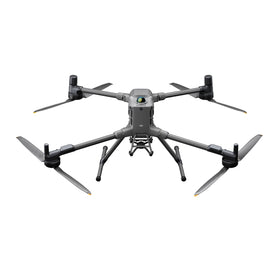
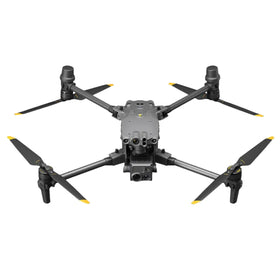
The regulatory tilt described in the report could influence the second-hand drone market in several ways. First, if commercial pilots face enough friction, some may decide to exit the industry or downsize. That would increase the inventory of used professional drones—think Matrice series, Inspire models, and high-end Mavic Enterprise units—available at lower prices. For repair customers and fleet operators, that could be a chance to acquire backup units or swap components at a discount.
Second, toy drones are not typically built for long-term reliability or repair. A sub-250-gram plastic quadcopter is often disposable; when it breaks, replacement is cheaper than repair. That means the used market for toy drones is thin, and repair services are rarely sought. In contrast, commercial drones are designed for maintainability, with swappable arms, motors, cameras, and gimbals. The imbalance in regulation may therefore reinforce the value of professional-grade hardware, because it remains serviceable and compliant over years of use.
Third, the report indirectly suggests that the compliance burden on commercial pilots may accelerate the adoption of drones that have built-in remote ID and geofencing, making older models without these features less desirable. Buyers of second-hand drones should verify that any pre-owned unit supports the latest remote ID standards or can be upgraded. Reboot Hub’s refurbishment-labeled program ensures that all drones meet current regulatory requirements, giving buyers confidence in their investment.
For fleet managers, the key takeaway is to keep an eye on policy developments. If Washington further loosens rules for toy drones while tightening them for commercial operators, the cost-benefit equation shifts. Investing in rugged, repairable, compliant drones remains a sound strategy, as does supporting industry associations that advocate for balanced regulation.
How will this regulatory gap affect the price of used commercial drones?
If the imbalance leads some commercial pilots to leave the industry, the supply of used professional drones could increase, potentially lowering prices. However, demand from new entrants and existing fleet operators may keep values stable, especially for models known for reliability and compliance support.
Should a commercial pilot switch to using a toy drone to avoid regulation?
No. Flying any drone for commercial purposes requires compliance with Part 107, regardless of weight. Using a toy drone commercially would still require registration, remote ID (if the drone does not have built-in ID, a separate module is needed), and all operational restrictions. The source indicates that some toy drone operators may be operating outside the rules, but that does not make it a viable legal path for professionals.
What should a fleet manager do differently after reading this report?
Fleet managers should review their drones’ compliance capabilities and ensure all aircraft support remote ID and can be programmed with geofencing. They should also engage with industry bodies to push for regulatory symmetry, and consider buying refurbished professional drones to lower costs while maintaining compliance. Staying informed through sources like DroneXL.co and Reboot Hub is essential for making sound operational decisions.
Pre-owned DJI drones and professional DJI repair services are available for operators seeking reliable, compliant equipment and maintenance.
From Reboot Hub
Turn policy news into a safer fleet decision.
Before replacing aircraft or delaying inspections, compare certified DJI inventory, repair options, and OEM parts availability against the rule change.
Pre-owned DJI drones
Inspected pre-owned aircraft with warranty coverage and clear condition grading.
Browse inventory ->Genuine-part repair
Diagnostics, repair planning, and component replacement for working DJI fleets.
Book a repair ->OEM spare parts
Batteries, propellers, gimbals, and essential DJI components for faster recovery.
Shop parts ->