Terra Drone Begins Peacetime Counter-UAS Development for Critical Infrastructure
Terra Drone is adapting defense counter-UAS and autonomous flight technology for continuous peacetime protection of energy and power assets, according to SUAS News reporting. The program signals a growing commercial security hardware segment that could reshape enterprise drone procurement and fleet planning.

Quick answer
Terra Drone has begun developing a counter-UAS system to protect critical infrastructure such as energy and power facilities during peacetime, according to SUAS News.
- Terra Drone is expanding interceptor and autonomous-flight technologies from defense applications to continuous peacetime infrastructure protection.
- The reported focus is on energy and power assets, a category where unauthorized drone activity is a growing operational concern.
- SUAS News is the primary reporting source; Reboot Hub has not independently verified program scope, timeline, or deployment details.
- For commercial operators, the development points to a widening market for counter-UAS hardware beyond military buyers.
Evidence: SUAS News · AeroVironment unmanned systems solutions · FAA UAS official guidance
Fleet readiness
Keep DJI hardware available without overbuying new units.
Use defense and fleet news as a planning signal for repair support, inspected pre-owned aircraft, and replacement timing.

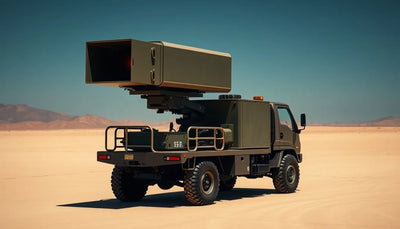
Terra Drone has started development of a counter-UAS system intended to protect critical infrastructure in peacetime, according to reporting by SUAS News. The Japanese drone services and technology company is expanding interceptor and autonomous-flight technologies originally developed for defense applications into continuous protection of energy and power assets. The announcement, covered by SUAS News in August 2026, marks a notable step in the commercialization of counter-drone capability beyond battlefield and military procurement cycles.
For commercial drone operators, fleet managers, and enterprise security buyers, the development is more than a defense industry headline. It signals that counter-UAS infrastructure is becoming a standing market category, one that may eventually influence airspace policy, facility security budgets, and the way private drone activity is monitored around sensitive sites. Reboot Hub is treating the SUAS News report as source-limited: the central development is attributed to that publication, and operational specifics such as system range, interceptor type, deployment timeline, and commercial pricing have not been independently verified.
What the source reports about the Terra Drone program
SUAS News reports that Terra Drone has begun development of a counter-UAS system designed for peacetime protection of critical infrastructure. The source summary identifies the target use case as continuous protection of energy and power facilities, and states that the company is expanding interceptor and autonomous-flight technologies developed for defense applications. That framing matters because it suggests a deliberate productization effort: moving capability from a defense context, where procurement is often government-driven and classified, into a civilian infrastructure security role with different operational constraints and commercial expectations.
The source does not provide verified technical specifications, interceptor range figures, sensor types, or a named launch customer. Reboot Hub has not confirmed whether the system is designed to physically intercept drones, electronically disrupt them, or combine both approaches. Readers should treat any specific performance claims as unverified until Terra Drone or a partner publishes official documentation. What can be stated with confidence is that a major drone technology company is publicly signaling investment in peacetime counter-UAS infrastructure protection, and that the announcement was carried by a specialist unmanned systems news outlet.
Why counter-UAS is becoming a commercial infrastructure market
The Terra Drone announcement fits a broader pattern: concern about unauthorized drone activity around power plants, substations, refineries, pipelines, and other critical sites has moved from episodic incident response toward continuous security planning. Energy and power operators face pressure to detect, assess, and respond to drone overflights that may be reckless, intrusive, or potentially hostile. A counter-UAS system marketed for peacetime use would address a different buyer than military programs: civilian infrastructure owners, private security contractors, and possibly regulated utility operators.
For the commercial drone industry, this creates a dual dynamic. On one side, legitimate operators flying for inspection, mapping, or delivery need clear rules and reliable detection systems that do not over-block authorized flights. On the other side, facility owners want tools to identify and stop unauthorized incursions. Terra Drone’s reported move suggests that counter-UAS vendors see enough demand to justify dedicated peacetime product development, which could accelerate standardization, regulatory clarity, and procurement frameworks across the sector.
What this means for drone owners and the market
For enterprise drone buyers and fleet operators, the Terra Drone development is a signal that counter-UAS awareness is moving into mainstream infrastructure security planning. Companies that fly near energy assets, power corridors, or industrial sites should expect more facilities to deploy detection and response systems over the next several years. That does not mean legitimate operations will be broadly restricted, but it does mean flight planning, authorization documentation, and operator visibility will matter more in sensitive areas. Pilots and program managers may need to carry clearer proof of mission authorization and coordinate more closely with site security teams.
Reboot Hub analysis: For the pre-owned DJI market and repair ecosystem, the impact is indirect but real. If counter-UAS infrastructure expands around energy and power facilities, enterprise operators may reassess fleet composition, prioritizing drones with strong Remote ID compliance, reliable geofencing behavior, and documented maintenance histories. Buyers of inspected pre-owned DJI drones should pay attention to firmware status and Remote ID functionality, since a drone that cannot broadcast properly or lacks current firmware may create friction near monitored infrastructure. Reboot Hub’s Drone Wiki is a useful reference for operators checking platform compliance and maintenance requirements before flying near regulated or security-sensitive sites.
The counter-UAS shift could also influence resale value and demand patterns. Enterprise fleets that operate near critical infrastructure may favor newer models with predictable compliance features, while older units without current firmware support could become less attractive for security-adjacent work. That does not mean pre-owned equipment loses value across the board, but buyers should evaluate whether a used drone’s firmware, Remote ID capability, and service history align with the environments where they intend to fly. Repair customers should likewise ensure that any replacement parts or modules preserve full compliance functionality. For owners evaluating service and lifecycle risk, Drone Wiki explains the relevant repair, parts, resale, or operational path.
What operators should watch next
The most important near-term question is whether Terra Drone publishes official specifications, partnership details, or a deployment timeline. If the system is positioned for energy and power customers, the next milestone could be a pilot program, a regulatory filing, or a named commercial customer. Those details would clarify whether the technology is interception-focused, detection-focused, or a layered system combining both. Until then, Reboot Hub is treating the SUAS News report as a credible but limited signal of strategic direction rather than a confirmed product launch.
Reboot Hub analysis: Operators should also watch whether counter-UAS deployments lead to new airspace coordination requirements around power infrastructure. If facility owners begin deploying detection systems at scale, drone service providers may need to register flights, share telemetry, or follow new notification procedures. For now, the practical step is simple: document flight authorizations carefully, keep firmware and Remote ID current, and treat critical infrastructure airspace as an area where scrutiny is likely to increase. The Terra Drone announcement is an early indicator, not an immediate operational change for most commercial pilots.
FAQ
Frequently asked questions
What did Terra Drone announce?
According to SUAS News, Terra Drone has begun developing a counter-UAS system to protect critical infrastructure during peacetime, expanding interceptor and autonomous-flight technologies from defense applications to continuous protection of energy and power assets.
Does this affect commercial drone operators?
Reboot Hub analysis: Not immediately, but it signals that counter-UAS monitoring around energy and power facilities is likely to expand. Operators flying near critical infrastructure should keep flight authorizations documented and ensure their drones have current firmware and functioning Remote ID.
Has Reboot Hub verified the system’s technical details?
No. The report is source-limited to SUAS News, and Reboot Hub has not confirmed specifications, range, interceptor type, timeline, or commercial availability. Readers should treat performance details as unverified until Terra Drone publishes official documentation.
Which sources support this update?
The visible evidence links identify SUAS News and AeroVironment unmanned systems solutions and FAA UAS official guidance; each source is used only for the claim it directly supports.
What remains subject to change?
Retail pricing, availability, product bundles and regulatory timelines can change. Readers should verify the latest terms with the named retailer, manufacturer or regulator before acting.
How should buyers or operators use this analysis?
Use the verified facts as a starting point, then compare mission fit, lifecycle support, maintenance needs and current procurement terms before making a purchase or fleet decision.
Sources consulted
- SUAS News - primary source
- FAA UAS official guidance - official regulator source
Reboot Hub Editorial adds buyer, repair, resale, and operational analysis for drone owners. If you spot an error, contact us for correction review through our editorial policy.