Sydney Harbour Drone Crash: Vivid Show Cancelled, Global Safety Reckoning Begins
A catastrophic malfunction during Vivid Sydney’s drone display on May 25, 2026, sent dozens of units plunging into the harbour, forcing immediate cancellation of the remaining show. This incident triggers urgent questions about Part 107 waivers for swarm operations, BVLOS safety protocols, and the commercial liability of autonomous flight. For commercial operators and fleet managers, this is a stark warning: the cost of a single system failure can ground an entire industry. Reboot Hub analyzes the technical breakdown, regulatory fallout, and what this means for the second-hand drone market as operators scramble to upgrade or replace aging hardware.

Editorial notes
- This article combines named outside reporting with Reboot Hub's own analysis for drone buyers, fleet operators, repair customers, and pre-owned DJI market watchers.
- Source facts are separated from interpretation. When a report provides limited data, the article states that limitation and frames Reboot Hub's view as analysis.
- Reboot Hub has commercial links to drone products and repair services; those links are reader resources and do not determine the article's conclusion.
The spectacle of light and technology that defines Vivid Sydney turned into a scene of chaos and concern on the evening of May 25, 2026, when a coordinated drone display malfunctioned over the iconic Sydney Harbour. Multiple drones from a large-scale swarm lost synchronization, veered off course, and crashed into the water, forcing event organizers to cancel the scheduled shows on May 26 and 27. The incident, which occurred just before 9 PM local time, sent a ripple of shock through the global unmanned aerial vehicle (UAV) community, raising immediate questions about the safety of large-scale drone light shows and the regulatory frameworks that govern them.
While no injuries have been reported, the visual impact of dozens of expensive drones falling into one of the world's most famous harbors was broadcast globally, creating a public relations crisis for the event organizers and the drone service provider. As of today, May 26, 2026, the Civil Aviation Safety Authority (CASA) of Australia has launched a formal investigation, and the incident is expected to have far-reaching consequences for commercial drone operations, particularly those involving autonomous swarms and beyond visual line of sight (BVLOS) flights.

Technical Breakdown: What Went Wrong Over Sydney Harbour?
The core of the investigation will likely focus on the drone swarm's communication and control systems. Large-scale drone displays, often using hundreds or thousands of units from manufacturers like DJI or specialized swarm technology providers, rely on a central ground control station (GCS) that transmits synchronized flight paths and lighting commands via a robust radio frequency (RF) link. A failure in this link-whether due to RF interference, software bug, GPS spoofing, or a hardware malfunction in the GCS-can lead to a catastrophic loss of coordination.
Operator checklist
Turn policy news into a safer fleet decision.
Before changing aircraft, compare repair paths, available DJI inventory, and trade-in timing against the rule change.
Eyewitness reports described drones "falling like stars" and "diving into the water," suggesting a sudden loss of thrust or command. This points to a potential failure in the swarm's fail-safe logic. Typically, drones in a swarm are programmed to return to home (RTH) or land immediately upon losing communication with the GCS. However, if the GPS signal was compromised or the RTH altitude was set incorrectly for the harbour environment, the drones may have attempted to land on water. Alternatively, a battery failure across multiple units could have caused a simultaneous power loss, though this is less likely given the synchronized nature of the event.

The specific hardware involved has not been disclosed, but the incident underscores a critical vulnerability in swarm technology: the single point of failure. Whether it was a software glitch in the flight controller firmware, a hardware fault in the RF module, or a cyber-attack on the communication protocol, the result is the same-a total operational shutdown that not only ruined a major event but also endangered public safety and marine life.

Ready to Upgrade Your Fleet?
Browse our collection of inspected pre-owned DJI drones - inspected, flight-tested, and backed by a 6-month warranty. Save up to 40% versus retail.
Regulatory Fallout: CASA, FAA, and EASA Will Take Notice
Ready to Upgrade Your Fleet?
Browse our collection of inspected pre-owned DJI drones - inspected, flight-tested, and backed by a 6-month warranty. Save up to 40% versus retail.
The Sydney harbour crash is not an isolated event. In recent years, similar incidents have occurred at drone shows in China, the United States, and Europe. However, the high-profile nature of Vivid Sydney-a globally recognized festival drawing hundreds of thousands of visitors-means this incident will be scrutinized by regulators worldwide. The Civil Aviation Safety Authority (CASA) in Australia is expected to issue a safety bulletin within days, potentially imposing temporary restrictions on all swarm operations over populated areas or water bodies.
For commercial operators in the United States, the Federal Aviation Administration (FAA) will likely review its Part 107 waiver process for drone light shows. Currently, operators must obtain a waiver for operations over people and for night flying. This incident could lead to stricter requirements for redundant communication systems, mandatory geo-fencing over waterways, and more rigorous pre-flight hardware checks. Similarly, the European Union Aviation Safety Agency (EASA) may accelerate its work on U-space regulations, which aim to integrate drone traffic into managed airspace.
This event also raises the stakes for insurance companies. Underwriters for drone shows will demand higher premiums and more detailed risk assessments. Operators may be required to demonstrate a "fail-safe" architecture that can isolate a malfunctioning drone without affecting the entire swarm. The cost of compliance is about to increase, potentially pricing out smaller operators and consolidating the industry around a few well-capitalized players.
What Does This Mean for Commercial Drone Pilots and Fleet Operators?
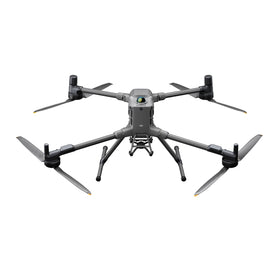
The immediate impact on the commercial drone industry is a chilling effect on public trust. Event organizers may now hesitate to book drone shows, fearing similar disasters. For everyday commercial pilots working in surveying, mapping, inspection, and agriculture, the incident serves as a stark reminder of the risks inherent in autonomous flight. If a swarm of specialized entertainment drones can fail so spectacularly, what does that mean for a single DJI Matrice 350 RTK flying a BVLOS pipeline inspection over a highway?
The answer lies in redundancy and maintenance. Commercial operators must review their own safety protocols. This includes ensuring that all firmware is up to date, that GPS and compass calibrations are performed before every flight, and that emergency procedures for lost link or critical battery failure are drilled regularly. The Sydney incident also highlights the importance of using high-quality, certified hardware. In the second-hand and refurbished drone market, this incident will likely drive demand for thoroughly inspected and certified units. Operators looking to upgrade their fleets to avoid similar failures may turn to the used drone market for cost-effective solutions that still meet rigorous safety standards. At Reboot Hub, we are already seeing an uptick in inquiries from fleet managers seeking to replace older swarm units with newer, more reliable models that have redundant communication systems.
Furthermore, this incident will accelerate the adoption of advanced safety features like ADS-B (Automatic Dependent Surveillance-Broadcast) for drones and 4G/5G backup communication links. While these features add cost, they significantly reduce the risk of a total loss of control. For operators who cannot afford pre-owned equipment, the refurbished market offers a viable path to upgrading without breaking the bank. Investing in pre-owned DJI drones from a trusted source like Reboot Hub ensures that the hardware has been tested and certified, reducing the likelihood of a catastrophic failure during a critical mission.
Market Trends: The Second-Hand Drone Market and the Push for Safety
The Vivid Sydney crash is a pivotal moment for the drone industry. It will undoubtedly lead to a surge in demand for safety-critical upgrades. In the short term, we expect to see a temporary dip in the stock prices of publicly traded drone show companies. However, the long-term effect will be a maturation of the market, where safety and reliability become the primary differentiators. This is excellent news for the second-hand and refurbished drone market. As operators retire older, less-reliable swarm drones, these units will flood the secondary market. The key will be separating salvageable hardware from truly obsolete equipment.
At Reboot Hub, we specialize in this exact process. Our team of certified technicians inspects every drone that comes through our facility, replacing worn components, updating firmware, and conducting full flight tests. We then offer these units with a 6-month warranty, providing a safety net that is often missing from peer-to-peer sales. For operators looking to expand their fleet or replace damaged units after an incident like this, our inventory of pre-owned DJI drones represents a smart, budget-conscious choice.
Additionally, the crash will likely spur demand for professional DJI repair services. After a catastrophic event like a water landing, many drones may be recoverable but require extensive work. Reboot Hub offers professional repair services using only genuine DJI parts, ensuring that your equipment is restored to factory specifications. Whether you are a drone show operator dealing with the aftermath of a crash or a commercial pilot looking to prevent one, our repair services can help you get back in the air quickly and safely.
Frequently Asked Questions About the Sydney Harbour Drone Crash
What caused the Vivid Sydney drone show crash?
As of May 26, 2026, the exact cause is under investigation by CASA. Preliminary evidence suggests a failure in the swarm's communication or control system, leading to a loss of synchronization and subsequent crashes into Sydney Harbour. Potential causes include RF interference, a software bug, GPS signal loss, or a hardware malfunction in the ground control station.
How will this incident affect drone regulations in Australia and globally?
This high-profile incident is expected to prompt stricter regulations for drone swarm operations worldwide. CASA may issue new safety directives for operations over water and populated areas. The FAA and EASA will likely review their waiver processes for Part 107 and U-space regulations, potentially mandating redundant communication systems and more rigorous pre-flight checks for large-scale displays.
What should commercial drone operators do to prevent similar incidents?
Operators should conduct thorough pre-flight inspections, ensure firmware is current, and verify that all fail-safe mechanisms (RTH, lost-link procedures) are correctly configured. Investing in drones with redundant communication systems (e.g., 4G backup) and using refurbishment-labeled hardware from trusted sources like Reboot Hub can also reduce risk. Regularly servicing equipment through professional repair centers is equally critical.
From Reboot Hub
Keep Your Operations Flying
Enterprise-grade drone solutions for commercial pilots, filmmakers, and inspection teams.
Pre-owned Fleet
Fully inspected DJI drones with 6-month warranty. Save up to 40%.
Browse Inventory ->