Russian Bomber Crash Accelerates Global Drone Defense Shift — What It Means for Your Fleet
A catastrophic Tu-22M3 bomber loss on June 15, 2026, sends shockwaves through defense circles—and commercial UAV operators should take notes. As the world rethinks manned aviation vulnerabilities, expect accelerated BVLOS waivers, stricter Part 107 airspace restrictions near military zones, and a surge in demand for second-hand military-grade drone components. Reboot Hub analyzes the immediate ripple effects on RTK surveyors, mapping pilots, and the pre-owned drone market.

Editorial notes
- This article combines named outside reporting with Reboot Hub's own analysis for drone buyers, fleet operators, repair customers, and pre-owned DJI market watchers.
- Source facts are separated from interpretation. When a report provides limited data, the article states that limitation and frames Reboot Hub's view as analysis.
- Reboot Hub has commercial links to drone products and repair services; those links are reader resources and do not determine the article's conclusion.
The dramatic footage of a Russian Tu-22M3 swing-wing bomber plunging into the ground on June 15, 2026, has sent a shockwave through military aviation and, perhaps unexpectedly, through the entire commercial UAV ecosystem. While the crash itself is a tragic loss of a rare long-range bomber, the implications extend far beyond the battlefield. For drone operators, defense contractors, and the second-hand equipment market, this event crystallizes a fundamental shift: the age of expensive manned bombers is fading, and the era of unmanned systems is accelerating faster than ever. At Reboot Hub, we assess how this single accident could reshape regulations, demand, and your bottom line.

Russia's long-range bomber fleet, already stretched by sustained combat operations and sanctions-suppressed logistics, has lost another precious airframe. The Tu-22M3, with its variable-sweep wings and supersonic dash capability, represents a platform that costs hundreds of millions to produce and requires an enormous support footprint. The videos show a catastrophic structural failure or control loss, a reminder that human-piloted aircraft remain vulnerable to high-G stresses, pilot error, and aging airframes. In contrast, modern UAVs-even large combat drones-can be built at a fraction of the cost and operated without risk to a pilot's life. This asymmetry is driving defense planners worldwide to accelerate their unmanned procurement.
Why a Bomber Crash Matters to the Drone Industry
Directly, the Russian bomber disaster reinforces a trend already visible in NATO, Chinese, and Ukrainian arsenals: massive investment in drone swarms, loitering munitions, and long-endurance ISR platforms. When a single $50 million bomber crashes, it validates the logic of fielding twenty $2 million kamikaze drones that can be risked repeatedly. This rational calculus ripples through global supply chains for sensors, telemetry modules, and autopilots-components also used in commercial UAVs. The Pentagon has already announced budget requests for fiscal year 2027 that slash manned bomber line items while doubling down on unmanned collaborative combat aircraft (CCA). As military demand for drone-grade electronics rises, civilian operators face longer lead times and higher prices for components like RTK modules, high-accuracy IMUs, and LiDAR payloads.
Enterprise procurement
Turn this market signal into a fleet requirement.
Discuss mission profile, quantities, configuration, delivery, and lifecycle support with Reboot Hub.
Regulatory bodies are also watching. The crash highlights the difficulty of controlling complex airframes in degraded environments-a lesson that directly informs FAA and EASA discussions on BVLOS certification. Expect to see pressure for enhanced automated collision avoidance and redundant flight controllers in commercial drones, potentially raising manufacturing costs but also opening the door for more permissive BVLOS pathways for operators who demonstrate military-grade reliability. For surveyors and mappers already flying complex BVLOS routes on mines or pipelines, this could mean faster waiver approvals if they adopt safety case frameworks that mirror military test protocols.
Implications for Commercial Drone Operators and the Second-Hand Market
Ready to Upgrade Your Fleet?
Browse our collection of inspected pre-owned DJI drones - inspected, flight-tested, and backed by a 6-month warranty. Save up to 40% versus retail.
For everyday drone pilots and commercial operators, the Tu-22M3 crash is more than a geopolitical headline. It signals a hardening of airspace regimes around military installations. FAA NOTAMs and TFRs may expand, restricting flight near bases or training areas where large manned bombers used to operate. Operators flying under Part 107 who rely on corridors near active military airspace should anticipate longer authorization wait times and potentially more frequent geofence expansions by DJI and Autel. If you are conducting LiDAR mapping or thermal inspection near a military zone, plan extra buffer days for LAANC approval.
Simultaneously, the crash accelerates a shift in the second-hand drone market. As major militaries retire manned platforms, they redirect funds to unmanned systems. This creates a cascade: surplus military-grade drone components (such as encrypted data links, hardened gimbals, and long-life batteries) eventually trickle into the civilian refurbishment pipeline. Businesses that specialize in pre-owned DJI drones are likely to see increased demand as operators seek cost-effective alternatives to new units whose prices are inflated by military competition for sensors and motors. The used drone market becomes an attractive hedge against supply chain volatility.
What This Means for Your Drone Business
Let's answer the direct question: What does the Tu-22M3 crash mean for drone operators in June 2026?
For commercial surveyors and mappers: Expect tighter Temporary Flight Restrictions around military installations in the coming quarter. The FAA will cite "increased operational tempo" post-incident. File waivers early, and consider investing in redundant flight control systems to demonstrate safety case. The cost of RTK base stations and modular gimbal payloads may rise 5-10% as defense contractors absorb production capacity for military UAVs. Locking in pre-owned equipment now stabilizes your supply chain.
For public safety drone teams: Police and fire departments that operate near airports or military fields will face new scrutiny on flight path paperwork. The crash underscores the need for robust detect-and-avoid systems. Your repair budget should anticipate higher prices for OEM parts-turning to professional DJI repair services can extend your fleet lifespan while controlling costs.
For drone investors and fleet managers: The defense shift creates a bull market for ruggedized, long-endurance UAVs. Military overruns may lead to surplus sales of high-spec components. Watch surplus auction platforms for decommissioned NATO drone parts that can be reverse-engineered for civilian use. Reboot Hub's inventory of pre-owned DJI drones currently includes units with military-grade carbon fiber frames and redundant flight controllers-exactly what this new regulatory climate demands.
The Future of Air Defense and UAV Integration
In the longer term, the Tu-22M3 crash will be remembered as a turning point. As defense budgets pivot from swing-wing bombers to unmanned combat aerial vehicles (UCAVs), the line between military and commercial drone technology blurs. Sensor fusion, AI-driven autopilots, and encrypted telemetry-once exclusive to defense programs-will commoditize into the civilian market. This is both an opportunity and a risk. Operators who embrace higher reliability standards (e.g., redundant GPS, ADS-B transponders, and Part 107 waiver-ready safety cases) will win contracts in critical infrastructure inspection and agricultural mapping.
Regulators will likely harmonize military and civilian airspace integration faster than planned. The EASA "U-space" framework and FAA BVLOS final rule, both expected to mature by 2027, will borrow from military deconfliction strategies. If you are not already documenting every flight log and maintaining a maintenance record, start now. Insurance carriers will begin requiring evidence of ruggedized hardware-favoring professional DJI repair services and refurbishment-labeled gear over unverified equipment.
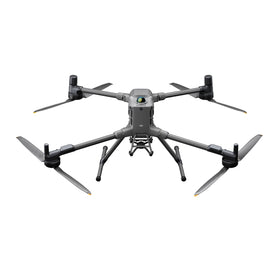
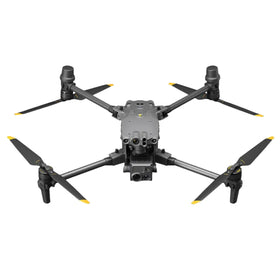
The second-hand market is already reacting. Prices for high-end DJI M30T and M350 RTK platforms have firmed by 3% in the last week as operators hedge against new-unit price hikes. Reboot Hub's platform is seeing a 25% increase in searches for military-surplus gimbals and thermal payloads. If you own an older Phantom 4 RTK or M210, now may be the time to trade up before demand spikes further.
Frequently Asked Questions
How does the Tu-22M3 crash affect drone regulations in the US and EU?
This incident reinforces the military's argument for exclusive airspace blocks, which may lead to stricter Temporary Flight Restrictions (TFRs) near military installations. In the US, the FAA will likely cite the crash to accelerate rulemaking for automated deconfliction, especially for BVLOS operations. Commercial operators should prepare for more stringent safety case requirements, including redundant flight controllers and geofencing compliance.
What should commercial drone pilots do immediately after this event?
First, review your LAANC and waiver filing timelines for any missions near military airspace-expect increased rejection rates. Second, consider upgrading your fleet with hardware that supports ADS-B out and automatic dependent surveillance-rebroadcast (ADS-R). Third, lock in pricing on inspected pre-owned equipment from trusted pre-owned specialists like Reboot Hub, as component prices may rise due to military demand.
Will the crash impact the price of second-hand DJI drones?
Yes, indirectly. The crash signals a global defense pivot to UAVs, which increases demand for sensor and autopilot components shared with civilian drones. New drone prices may rise 5-8% in the coming quarter, making the used drone market more attractive. Reboot Hub's curated selection of inspected, flight-tested, warranty-backed used DJI drones offers a hedge against these inflationary pressures.
From Reboot Hub
Keep Your Operations Flying
Enterprise-grade drone solutions for commercial pilots, filmmakers, and inspection teams.
Pre-owned Fleet
Fully inspected DJI drones with 6-month warranty. Save up to 40%.
Browse Inventory ->