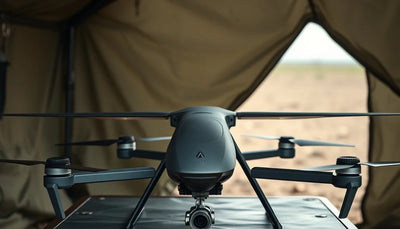
Rick Scott Urges FCC to Keep DJI and Autel on Covered List
Senator Rick Scott is urging the FCC to reject DJI and Autel Robotics appeals against their placement on the Covered List. The push signals continued federal pressure on Chinese drone makers, with direct implications for commercial operators, fleet buyers, and the pre-owned DJI market.

Quick answer
Senator Rick Scott is urging the FCC to reject DJI and Autel Robotics appeals against their placement on the FCC Covered List, arguing that years of federal investigation have already established the national security conclusion.
- Senator Rick Scott is publicly opposing DJI and Autel Robotics appeals to the FCC
- The appeals challenge the companies' placement on the FCC Covered List
- Scott argues Washington has already reached the correct national security conclusion
- The development signals continued federal pressure on Chinese drone makers
Evidence: DroneDJ
Operator checklist
Turn policy news into a safer fleet decision.
Before changing aircraft, compare repair paths, available DJI inventory, and trade-in timing against the rule change.

Senator Rick Scott is publicly pushing back against efforts by DJI and Autel Robotics to challenge their placement on the Federal Communications Commission's Covered List, according to reporting by DroneDJ. The Florida Republican argues that Washington has spent years investigating the two Chinese drone manufacturers and has already reached the correct conclusion on national security grounds.
The development is the latest signal that federal scrutiny of Chinese-made commercial drones is not easing, even as both companies pursue appeals before the FCC. For commercial operators, fleet managers, repair customers, and anyone holding DJI or Autel hardware, the filing season is becoming a recurring source of procurement uncertainty.
The Covered List fight and what Scott is arguing
The FCC Covered List identifies communications equipment and services that pose an unacceptable risk to US national security. Placement on the list carries significant consequences for companies seeking federal funding, procurement eligibility, and market access. DJI and Autel Robotics have both sought to challenge their inclusion, a process that now faces direct political opposition from Senator Scott.
Reboot Hub analysis: According to DroneDJ, Scott is doubling down on the position that the federal government's multi-year investigation into the Chinese drone makers has already produced a defensible conclusion. The senator's stance matters because it signals that political pressure on the FCC is likely to continue regardless of the technical or legal arguments the companies present in their appeals.
Reboot Hub analysis: the practical effect of this political posture is that operators should not assume the Covered List dispute will resolve quickly or favorably for the manufacturers. The appeals process is now operating against a backdrop of sustained congressional pressure, which historically reduces the likelihood of a quiet regulatory reversal.
Why this matters for commercial operators and fleet buyers
For commercial drone operators, the Covered List status of DJI and Autel hardware has already influenced purchasing decisions, insurance discussions, and long-term fleet planning. A continued federal posture against these manufacturers means that operators flying DJI or Autel aircraft may face additional scrutiny when bidding on government-adjacent contracts, applying for grants, or working with clients that have federal compliance requirements.
Fleet managers who have standardized on DJI platforms are now weighing several factors simultaneously: the performance and availability of current hardware, the uncertainty around future firmware and service support, and the resale value of equipment if regulatory pressure intensifies. The pre-owned DJI market is particularly sensitive to these signals, because buyer confidence depends on the expectation that aircraft will remain operable, serviceable, and legally usable over a reasonable ownership horizon.
Operators who are uncertain about the regulatory trajectory may find value in understanding their current equipment options before committing to large capital purchases. For those evaluating the pre-owned DJI market, the Drone Wiki offers a practical reference point for understanding drone models, maintenance considerations, and ownership decisions in a shifting regulatory environment.
What this means for drone owners and the market
The immediate market implication is continued caution around large fleet commitments involving DJI or Autel hardware. While the Covered List does not by itself ban private ownership or commercial operation of these drones, it creates a cascading set of restrictions that can affect federal procurement, telecommunications infrastructure projects, and enterprise clients with strict supply chain requirements.
For repair customers, the political environment raises a separate question: will OEM-pulled parts and professional DJI repair services remain accessible if import or service restrictions tighten? The repair ecosystem for DJI aircraft has historically depended on a steady flow of genuine OEM spare parts. Any disruption to that flow would make proactive maintenance and parts availability more valuable for operators who intend to keep their current aircraft flying. For owners evaluating service and lifecycle risk, Drone Wiki explains the relevant repair, parts, resale, or operational path.
The pre-owned DJI market is also watching closely. If regulatory pressure reduces the appeal of new DJI purchases among enterprise buyers, some of that demand could shift toward inspected pre-owned aircraft as a lower-cost way to maintain operational continuity without committing to a full-price platform. Conversely, if restrictions make DJI hardware harder to service or resell, pre-owned values could soften. The direction depends on how the FCC appeal process unfolds and whether additional federal or state actions follow.
What operators should watch next
The FCC appeals process will be the primary near-term indicator. If the commission signals that it is willing to reconsider the Covered List placement, the commercial drone market could see a meaningful shift in sentiment. If the FCC holds its position under sustained political pressure, operators should expect the current procurement uncertainty to persist through 2026 and into 2027.
Operators should also monitor whether other lawmakers join Scott in publicly opposing the appeals. Congressional pressure tends to compound when multiple offices coordinate messaging around a single regulatory issue. A broader coalition would make it harder for DJI and Autel to achieve a favorable outcome through the appeals channel alone.
For now, the most defensible operator-facing approach is to avoid overcommitting to new DJI or Autel hardware without a clear understanding of how federal restrictions could affect the specific use case. Buyers, pilots, and fleet managers should document their current equipment inventory, assess repair and parts availability, and consider whether pre-owned inspected aircraft offer a more flexible path than large new-platform purchases in the current climate.
FAQ
Frequently asked questions
What is the FCC Covered List?
The FCC Covered List identifies communications equipment and services that pose an unacceptable risk to US national security. Placement on the list can affect federal funding eligibility, procurement access, and market participation for the listed companies.
Does the Covered List ban DJI or Autel drones?
The Covered List itself does not impose a blanket ban on private ownership or commercial operation. However, it creates restrictions that can affect federal procurement, government-adjacent contracts, and enterprise clients with strict compliance requirements.
What should a drone buyer or fleet manager do after this news?
Buyers and fleet managers should avoid overcommitting to new DJI or Autel hardware without assessing how federal restrictions could affect their specific use case. Documenting current inventory, reviewing repair and parts availability, and considering inspected pre-owned aircraft are practical steps in the current regulatory environment.
Which sources support this update?
The visible evidence links identify DroneDJ; each source is used only for the claim it directly supports.
What remains subject to change?
Retail pricing, availability, product bundles and regulatory timelines can change. Readers should verify the latest terms with the named retailer, manufacturer or regulator before acting.
How should buyers or operators use this analysis?
Use the verified facts as a starting point, then compare mission fit, lifecycle support, maintenance needs and current procurement terms before making a purchase or fleet decision.
Sources consulted
- DroneDJ - primary source
Additional official documentation was not available at publication time.
Reboot Hub Editorial adds buyer, repair, resale, and operational analysis for drone owners. If you spot an error, contact us for correction review through our editorial policy.