Powerus unveils Guardian-3 fully autonomous drone interceptor
Powerus has introduced the Guardian-3, a fully autonomous counter-drone interceptor that signals a shift toward hands-off defense systems. The announcement matters for commercial operators watching how airspace security technology evolves and how defense demand may shape the broader drone market.

Quick answer
Powerus introduced the Guardian-3, a fully autonomous drone interceptor designed to operate without direct human control, according to DroneDJ reporting.
- The Guardian-3 is positioned as a fully autonomous counter-drone defense system.
- The announcement was reported by DroneDJ on October 13, 2026.
- The system targets the growing counter-UAS security segment.
- No verified technical specifications were available in the source data.
Evidence: DroneDJ · AeroVironment unmanned systems solutions · Defense.gov official source · DIU Blue UAS
Fleet readiness
Keep DJI hardware available without overbuying new units.
Use defense and fleet news as a planning signal for repair support, inspected pre-owned aircraft, and replacement timing.

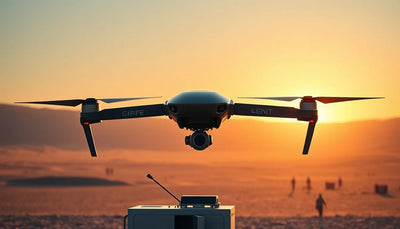
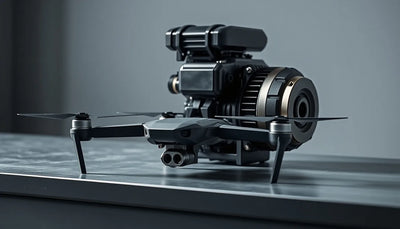
Powerus is moving deeper into autonomous counter-drone defense with the introduction of its Guardian-3 interceptor, a system the company says is designed to operate fully autonomously. The announcement, reported by DroneDJ on October 13, 2026, positions the Guardian-3 as another step in the shift away from manually piloted interception toward hands-off airspace security.
The report is light on verified technical detail. What is clear is the strategic direction: Powerus is signaling that autonomous interception is no longer a research concept but a product category the company is actively building out. For commercial drone operators, fleet managers, and anyone tracking the defense-adjacent drone economy, that signal carries weight even without full specification sheets.
What the Guardian-3 announcement actually tells us
According to the DroneDJ report, the Guardian-3 is a new interceptor system designed to operate fully autonomously. The source does not provide verified range figures, speed ratings, sensor payloads, interception methods, or deployment timelines. Reboot Hub analysis should therefore treat the announcement as a product positioning statement rather than a fully documented technical release.
What the announcement does confirm is that Powerus continues to invest in the counter-UAS segment. The naming convention, Guardian-3, suggests an iterative product line rather than a first-generation prototype. That matters for defense procurement watchers because it implies a maturing internal development cycle, even if the public-facing detail remains limited.
For commercial readers, the key takeaway is not the hardware itself but the trajectory. Fully autonomous interception systems are moving from classified or experimental programs into commercially announced product lines. That shift has downstream consequences for airspace regulation, security infrastructure spending, and the way civilian drone activity is monitored and managed.
Why autonomous counter-drone systems are gaining commercial attention
Counter-UAS technology has evolved rapidly as drone incursions at airports, critical infrastructure sites, public events, and military installations have become more frequent. The Guardian-3 fits into a broader category of defense systems that aim to detect, track, and neutralize unauthorized drones without requiring a human operator to make every engagement decision.
From a procurement perspective, autonomy changes the cost equation. A fully autonomous interceptor can theoretically reduce the personnel burden associated with round-the-clock airspace monitoring. Security integrators and government buyers evaluating counter-drone options are increasingly looking at systems that can operate with minimal human oversight, especially for fixed-site protection.
Reboot Hub analysis suggests the commercial drone market should watch this segment closely. As counter-drone systems become more capable and more widely deployed, the operational environment for legitimate commercial drone flights may become more constrained in certain regions. Pilots operating near sensitive sites may face stricter enforcement, more frequent no-fly designations, and a higher likelihood of encountering active counter-UAS measures.
What this means for drone owners and the market
The Guardian-3 announcement does not directly affect DJI product availability, spare parts, or repair workflows. But defense-adjacent drone technology has a way of influencing the broader market over time. When counter-drone systems proliferate, regulators often respond with tighter flight restrictions, and enterprise buyers adjust their risk assessments accordingly. For owners evaluating service and lifecycle risk, Drone Wiki explains the relevant repair, parts, resale, or operational path.
For commercial operators, the practical question is whether autonomous interception systems will change where and how they can fly. If fixed-site counter-UAS deployments become common around airports, stadiums, and government facilities, flight planning will need to account for active defense measures, not just regulatory boundaries. Fleet managers should monitor how counter-drone policy evolves alongside the hardware itself.
For pre-owned DJI drone buyers, the near-term impact is likely minimal. The second-hand DJI market is driven primarily by consumer and enterprise demand for camera drones, mapping platforms, and inspection aircraft, not by defense interceptor announcements. However, if counter-drone spending accelerates, it could shift investor and media attention toward the defense segment, potentially affecting how the broader drone industry is valued and funded. Readers tracking the pre-owned market can find relevant context in the Drone Wiki.
The operator-facing takeaway is straightforward: do not overreact to a single product announcement, but do track the counter-UAS segment as a leading indicator for airspace policy. If autonomous interceptors move from defense trade shows into civilian infrastructure deployments, flight restrictions and enforcement patterns will follow.
What to watch next in counter-drone defense
The Guardian-3 announcement leaves several questions open. Powerus has not, based on the available source data, published detailed specifications, pricing, export eligibility, or confirmed customer commitments. Those details will determine whether the system is a meaningful procurement option or an early-stage product reveal.
Reboot Hub analysis identifies three areas worth monitoring. First, any official specification release from Powerus would clarify the system's operational envelope and target use cases. Second, regulatory developments around autonomous interception will shape whether such systems can be legally deployed in civilian airspace contexts. Third, procurement signals from government or enterprise buyers would indicate real commercial traction beyond the announcement itself.
For drone repair customers and fleet operators, the counter-drone segment is a reminder that the drone economy is not monolithic. Consumer camera drones, enterprise inspection platforms, and defense interception systems operate under different economic and regulatory pressures. Understanding those distinctions helps buyers make better decisions about where to invest, what to fly, and how to plan for changing airspace rules.
FAQ
Frequently asked questions
What is the Guardian-3 drone interceptor?
The Guardian-3 is a fully autonomous counter-drone interceptor announced by Powerus, according to DroneDJ reporting. The system is designed to operate without direct human control, though detailed technical specifications were not available in the source data.
Who makes the Guardian-3 interceptor?
Powerus is the company behind the Guardian-3. The announcement was reported by DroneDJ on October 13, 2026, and positions the system as part of Powerus's broader autonomous counter-drone defense efforts.
Does the Guardian-3 affect commercial drone pilots or pre-owned DJI buyers?
The immediate impact on commercial pilots and the pre-owned DJI market is likely limited. However, growth in autonomous counter-drone systems could influence airspace restrictions and enforcement patterns over time, which fleet managers and commercial operators should monitor.
Which sources support this update?
The visible evidence links identify DroneDJ and AeroVironment unmanned systems solutions and Defense.gov official source and DIU Blue UAS; each source is used only for the claim it directly supports.
What remains subject to change?
Retail pricing, availability, product bundles and regulatory timelines can change. Readers should verify the latest terms with the named retailer, manufacturer or regulator before acting.
How should buyers or operators use this analysis?
Use the verified facts as a starting point, then compare mission fit, lifecycle support, maintenance needs and current procurement terms before making a purchase or fleet decision.
Sources consulted
- DroneDJ - primary source
- AeroVironment unmanned systems solutions - official company source
- Defense.gov official source - official government source
- DIU Blue UAS - official government source
Reboot Hub Editorial adds buyer, repair, resale, and operational analysis for drone owners. If you spot an error, contact us for correction review through our editorial policy.