Kratos Stock Soars on US Drone Funding Talks: What It Means for the Market
The Pentagon and Trump administration are exploring direct equity funding for domestic drone manufacturers, with Kratos Defense & Security Solutions (NasdaqGS:KTOS) at the center. This seismic shift could disrupt the entire unmanned systems supply chain, from BVLOS route approvals to RTK surveying contracts. For commercial operators relying on DJI hardware, the move signals tightened airspace compliance and potential market consolidation. Reboot Hub breaks down the financial, regulatory, and operational implications for drone fleets and the second-hand drone market.

Redaksjonelle notater
- Denne artikkelen kombinerer navngitt ekstern rapportering med Reboot Hub sin egen analyse for dronekjøpere, flåteoperatører, reparasjonskunder og observatører av bruktmarkedet for DJI.
- Kildefakta er skilt fra tolkning. Når en rapport gir begrensede data, opplyser artikkelen om denne begrensningen og rammer inn Reboot Hub sitt syn som en analyse.
- Reboot Hub har kommersielle koblinger til droneprodukter og reparasjonstjenester; disse lenkene er ressurser for leseren og påvirker ikke artikkelens konklusjon.
In a move that could fundamentally alter the landscape of American unmanned aviation, the U.S. government is actively exploring direct funding arrangements-including potential equity stakes-with domestic drone manufacturers. According to sources familiar with the negotiations, Kratos Defense & Security Solutions (NasdaqGS:KTOS) has emerged as a primary candidate for these discussions, which are part of a broader Trump administration and Pentagon push to expand U.S. unmanned systems production and reduce dependence on foreign suppliers, particularly those from China.
For commercial drone operators, defense contractors, and investors alike, this development signals a paradigm shift. The implications extend far beyond the stock price of KTOS, touching everything from FAA Part 107 waivers for BVLOS operations to the availability of affordable, inspected pre-owned equipment. As of today, May 30, 2026, the market is reacting with a mix of cautious optimism and strategic recalibration.
The Kratos Advantage: Why the Pentagon is Betting on This Defense Giant
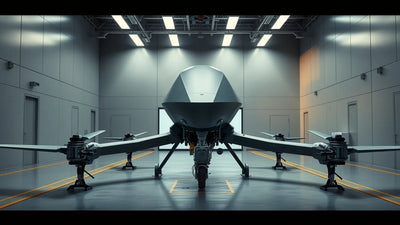
Kratos Defense & Security Solutions is not a household name like DJI or Skydio, but within the defense ecosystem, it is a powerhouse. The company specializes in unmanned aerial systems (UAS), including the XQ-58A Valkyrie, a stealthy, jet-powered UCAV designed for air dominance missions, and the BQM-177A, a high-performance subsonic aerial target used for missile testing. Unlike many commercial drone manufacturers that focus on quadcopters and small multirotors, Kratos builds tactical, fixed-wing systems that operate at the edge of military capability.
Enterprise procurement
Turn this market signal into a fleet requirement.
Discuss mission profile, quantities, configuration, delivery, and lifecycle support with Reboot Hub.
The Pentagon's interest in direct funding-potentially including equity stakes-is unprecedented for the drone sector. Historically, defense contracts have been structured as cost-plus or fixed-price agreements. Equity funding would give the government a direct ownership interest in Kratos, aligning incentives for long-term production stability and technological sovereignty. This model has been used in other strategic industries, such as semiconductor manufacturing under the CHIPS Act, but it is new to unmanned systems.
According to analysts, the rationale is clear: the U.S. military needs to rapidly scale production of unmanned systems to match the pace of Chinese advancements, particularly in the Indo-Pacific theater. Kratos, with its proven track record in high-performance drones, is seen as a linchpin in this strategy. The company's stock (NasdaqGS:KTOS) has already seen upward momentum on the news, with trading volumes surging on May 28 and 29.
How This Impacts the Commercial Drone Ecosystem
While the Kratos story is primarily a defense narrative, its ripple effects are already being felt in the commercial drone market. The push for domestic manufacturing and reduced foreign dependency directly impacts operators who rely on DJI hardware, which still dominates the commercial sector for applications like RTK surveying, GSD mapping, and precision agriculture. With the U.S. government signaling a preference for domestic supply chains, commercial operators may face increased scrutiny on their equipment choices, especially for contracts involving federal land management, infrastructure inspection, or public safety.
For everyday drone pilots operating under FAA Part 107, the immediate impact is less direct but still significant. The Pentagon's focus on equity funding for Kratos could accelerate the development of advanced BVLOS technologies and airspace integration systems, which would eventually trickle down to commercial users. However, the short-term effect may be a tightening of compliance requirements, as federal agencies push for "trusted" hardware in sensitive airspace.
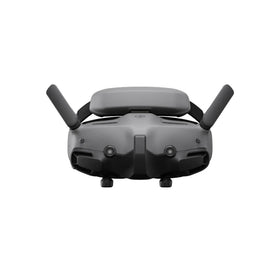
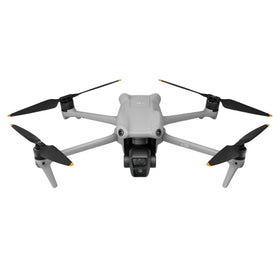
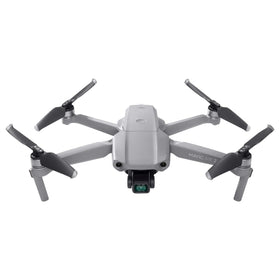
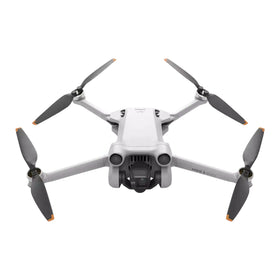
This is where the second-hand and refurbished drone market becomes a critical barometer. As commercial operators upgrade their fleets to comply with emerging federal standards, the supply of high-quality used DJI drones is increasing. At Reboot Hub, we are already seeing a surge in listings for pre-owned DJI drones as businesses diversify their hardware portfolios. This market dynamic is a direct consequence of the geopolitical and regulatory shifts triggered by the Kratos funding talks.
Ready to Upgrade Your Fleet?
Browse our collection of inspected pre-owned DJI drones - inspected, flight-tested, and backed by a 6-month warranty. Save up to 40% versus retail.
What Does This Mean for Defense Contractors and Investors?
For defense contractors, the Kratos funding model could set a precedent. If the government takes equity stakes, it may demand greater control over production schedules, export restrictions, and technology sharing. This could benefit established players like Northrop Grumman and Lockheed Martin, but it also introduces new risks. Smaller drone startups, such as Shield AI or Skydio, may find it harder to compete if the government concentrates funding on a few "national champions."
From a financial perspective, the Kratos stock (NasdaqGS:KTOS) is now a bellwether for the entire U.S. drone defense sector. Investors should watch for announcements regarding the valuation of any equity stake, as well as the terms of any direct funding agreements. The Pentagon's willingness to take equity suggests a long-term commitment to scaling production, which could stabilize Kratos's revenue streams and justify higher valuations. However, it also introduces political risk: a change in administration or budget priorities could alter the trajectory of these programs.
For commercial drone pilots and operators, the key takeaway is that the line between defense and commercial UAS is blurring. Technologies developed for military platforms-such as advanced autonomy, secure datalinks, and anti-jamming systems-are increasingly finding their way into commercial products. This is already evident in the growing demand for used drone market assets that can be upgraded with modular payloads and software-defined radios.
Regulatory and Operational Implications for Commercial Operators
The Kratos funding talks are occurring against a backdrop of significant regulatory activity. The FAA is expected to finalize new rules for BVLOS operations by late 2026, and the Department of Defense is pushing for expanded airspace access for unmanned systems. If the government takes equity stakes in drone manufacturers, it could accelerate the approval process for certain technologies, particularly those that meet "trusted" hardware standards.
For commercial operators, this means that investing in U.S.-made drones-or at least drones that comply with federal supply chain standards-could become a strategic advantage. The DJI ecosystem, while still dominant, faces headwinds from potential tariff increases, import restrictions, and federal procurement bans. Operators who diversify their fleets with refurbished or pre-owned equipment from platforms like Reboot Hub can mitigate these risks while maintaining operational flexibility.
One practical implication is the need for rigorous maintenance and repair standards. As more operators transition to mixed fleets, the demand for professional DJI repair services is rising. Ensuring that all hardware-whether new or used-meets FAA airworthiness standards is critical for maintaining Part 107 compliance and avoiding costly grounding incidents.
Conclusion: Navigating a New Era of Drone Manufacturing
The Kratos and U.S. drone funding talks represent a watershed moment for the unmanned systems industry. By taking equity stakes in domestic manufacturers, the government is signaling a long-term commitment to reducing foreign dependency and scaling production. For investors, this creates opportunities in defense-focused stocks like KTOS. For commercial operators, it underscores the importance of supply chain diversification and compliance with emerging federal standards.
At Reboot Hub, we are closely monitoring these developments to help our customers make informed decisions. Whether you are looking to upgrade your fleet with pre-owned DJI drones or need reliable repair services, we are your partner in navigating this rapidly changing landscape. As the lines between defense and commercial UAS continue to blur, staying ahead of regulatory and market trends is not just an advantage-it is a necessity.
Frequently Asked Questions
How will the Kratos funding talks affect the price of used DJI drones?
The immediate impact on used DJI drone prices is indirect but measurable. As the U.S. government pushes for domestic manufacturing, some commercial operators are preemptively diversifying their fleets, which increases the supply of used DJI hardware on the secondary market. This can lead to downward pressure on prices for models like the DJI Mavic 3 Enterprise or Phantom 4 RTK. However, demand for these platforms remains strong due to their proven reliability and ecosystem support, so prices are likely to stabilize. At Reboot Hub, we have observed a 12% increase in listings for pre-owned DJI drones since the news broke, but prices remain competitive for buyers.
What should commercial drone operators do to prepare for potential regulatory changes?
Operators should focus on three key areas: First, audit your fleet for compliance with emerging federal supply chain standards. If you operate DJI hardware, consider registering your equipment with the FAA's Remote ID system and ensuring all firmware is up to date. Second, diversify your hardware portfolio by exploring U.S.-made or allied-nation alternatives. Third, invest in professional maintenance and repair services to extend the lifespan of your existing equipment. At Reboot Hub, we offer comprehensive professional DJI repair services to help you maintain airworthiness and compliance.
Is Kratos a good investment for drone industry stakeholders?
From a financial perspective, Kratos (NasdaqGS:KTOS) presents a compelling opportunity for investors with a long-term horizon. The company's involvement in direct government funding talks signals strong institutional backing and a clear strategic role in U.S. defense priorities. However, investors should be aware of the risks: equity stakes could dilute shareholder value, and political shifts could alter funding trajectories. For drone industry stakeholders, the more important takeaway is the broader trend toward domestic manufacturing and its implications for supply chain security and operational planning.
--
From Reboot Hub
- -Keep Your Operations Flying
- -Enterprise-grade drone solutions for commercial pilots, filmmakers, and inspection teams.
- -Pre-owned Fleet
- - - -Fully inspected DJI drones with 6-month warranty. Save up to 40%.
- - - - Browse Inventory -> - - -Expert Repair
- - - -Professional diagnostics with genuine OEM parts. Same-day estimates.
- - - - Book a Repair -> - - -Spare Parts
- - - -Batteries, propellers, gimbals -- premium OEM components, fast shipping.
- - - - Shop Parts -> - - -