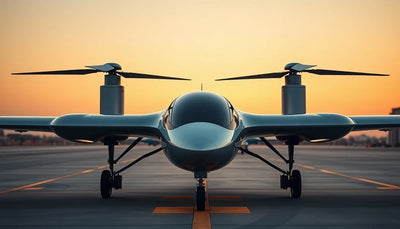
Joby Begins Testing Second Generation Hydrogen Electric Aircraft
Joby Aviation has started testing a second generation hydrogen electric uncrewed aircraft while facing a trade secret verdict and FAA certification delays. The timing matters for commercial operators watching advanced air mobility programs and their regulatory path.

Quick answer
Joby Aviation has begun testing a second generation hydrogen electric uncrewed aircraft, according to Yahoo Finance reporting, while the company also faces a substantial jury verdict in a trade secret case and fresh FAA certification delays.
- Joby is testing a second generation hydrogen electric uncrewed aircraft
- A jury verdict in a trade secret case creates material legal exposure
- FAA certification timelines for Joby aircraft have encountered new delays
- The test program and legal or regulatory setbacks are unfolding at the same time
Evidence: Source material · Joby Aviation investor relations · FAA UAS official guidance
Operator checklist
Turn policy news into a safer fleet decision.
Before changing aircraft, compare repair paths, available DJI inventory, and trade-in timing against the rule change.

Verified facts
What the available evidence confirms
| Development area | Reported status | Commercial relevance |
|---|---|---|
| Hydrogen electric aircraft testing | Second generation uncrewed aircraft now in testing | Signals continued investment in alternative propulsion despite near-term pressure |
| Trade secret litigation | Substantial jury verdict reported | Creates material legal exposure that could affect financial planning |
| FAA certification | Fresh delays reported in certification timelines | Extends uncertainty for operators waiting on commercial deployment |
Joby Aviation has started testing a second generation hydrogen electric uncrewed aircraft, according to reporting from Yahoo Finance. The test program marks a new phase for the company's flight development work, but it is unfolding alongside two serious pressure points: a substantial jury verdict in a trade secret case and fresh delays in FAA certification timelines for Joby aircraft.
For commercial drone operators, fleet buyers, and repair-focused businesses, the Joby story is not just an aviation headline. It is a live example of how advanced air mobility programs can move forward technically while legal and regulatory risk builds in the background. Understanding that split matters when evaluating suppliers, planning procurement, or deciding how much weight to give to early-stage aircraft programs in a commercial roadmap.
What the reported hydrogen electric test actually shows
The central development is narrow but significant. Yahoo Finance reports that Joby Aviation has begun testing a second generation hydrogen electric uncrewed aircraft. The source describes this as a new phase in the company's flight program. No technical performance figures, range claims, payload details, or certification milestones for the hydrogen electric platform are provided in the source data, so those specifics should not be assumed.
What the test does indicate is that Joby is continuing to invest in alternative propulsion development even while facing legal and regulatory headwinds. For commercial observers, that is a meaningful signal about where research and engineering resources are being directed. Hydrogen electric propulsion remains an area of active interest across advanced air mobility, but the commercial timeline for such systems is generally longer than for battery electric platforms already in flight testing.
Reboot Hub analysis: the reported test is best read as a program development marker rather than a near-term product signal. Operators and buyers should not treat a second generation uncrewed test aircraft as evidence that hydrogen electric commercial service is imminent. The source does not provide a service entry date, a production plan, or an operational specification for the platform.
Legal exposure and certification delays complicate the picture
The same Yahoo Finance report places the hydrogen electric test in a broader corporate context. Joby is contending with a substantial jury verdict in a trade secret case. The source describes this as raising material legal exposure for the company. Separately, FAA certification timelines for Joby aircraft have encountered fresh delays, adding regulatory uncertainty to the company's path toward commercial operations.
These two issues matter because they affect financial stability and market timing. A substantial jury verdict can create cash obligations, appeal costs, and investor concern. Certification delays push out revenue potential and complicate fleet planning for any operator that had been watching Joby as a future service provider or platform supplier. The source does not specify the dollar amount of the verdict, the identity of the opposing party, or the length of the FAA delay, so those details remain unconfirmed.
For procurement teams, the practical lesson is that an active test program does not equal a stable commercial supplier. Vendor due diligence should look at litigation exposure, regulatory progress, and balance sheet resilience alongside engineering milestones. A company can be technically productive and legally constrained at the same time, and the Joby situation appears to illustrate exactly that condition.
What this means for drone owners and the market
Most commercial drone operators today fly DJI platforms, and many are managing fleets of Mavic, Matrice, or Inspire aircraft. The Joby news does not directly change DJI availability, repair pricing, or spare parts supply. But it does affect how operators should think about the broader market. Advanced air mobility programs absorb regulatory attention, investor capital, and public perception. When FAA certification timelines slip for a high-profile program, it can reinforce a more cautious outlook across the entire commercial unmanned sector.
For buyers in the pre-owned DJI market, the relevant signal is about planning certainty. Operators who need reliable aircraft for mapping, inspection, or public safety work are not waiting on hydrogen electric platforms. They are buying inspected pre-owned DJI drones and genuine OEM spare parts today because those aircraft are available, serviceable, and supported by a mature repair ecosystem. The Joby story is a reminder that early-stage aircraft programs carry timeline risk, while established platforms carry operational value now. For readers evaluating fleet options or repair sourcing, the Drone Wiki offers reference material on drone ownership and maintenance decisions. For owners evaluating service and lifecycle risk, Drone Wiki explains the relevant repair, parts, resale, or operational path.
Fleet managers should also note the legal angle. Trade secret litigation in the advanced air mobility space can affect partnerships, hiring, and technology transfer. Any operator or service provider working with early-stage aircraft companies should ask direct questions about litigation exposure and regulatory milestones before committing budget or operational plans. The source does not suggest that Joby's commercial partners or customers are directly affected by the verdict, but the financial and strategic consequences can ripple outward.
What operators should watch next
The next useful data points are not technical test videos or hydrogen range estimates. They are legal and regulatory. Operators should watch for any update on the trade secret verdict, including appeal filings or settlement activity. They should also watch FAA certification communications for Joby aircraft, since timeline changes affect when the company can realistically pursue commercial operations.
On the technical side, the reported second generation hydrogen electric uncrewed aircraft test is worth tracking only if it leads to a defined flight test campaign, published performance data, or a stated path toward a crewed or commercial variant. Until then, the test remains an early-stage development signal. The source data does not include a flight test schedule, a geographic test location, or a regulatory filing tied to the hydrogen electric platform.
For repair customers and pre-owned buyers, the immediate action is simpler: do not let advanced air mobility headlines distort near-term purchasing decisions. The platforms that keep commercial work moving today are available, repairable, and supported. Advanced programs like Joby's hydrogen electric effort are worth monitoring for long-term market direction, but they are not a reason to delay a drone purchase, a fleet refresh, or a repair decision.
FAQ
Frequently asked questions
Is Joby's hydrogen electric aircraft ready for commercial use?
No. The Yahoo Finance report describes testing of a second generation uncrewed aircraft, not a commercially certified product. The source provides no service entry date, production plan, or operational specification.
How does the trade secret verdict affect Joby?
The source reports that a substantial jury verdict in a trade secret case raises material legal exposure for Joby. The specific dollar amount and any appeal plans are not detailed in the source data.
Should commercial drone operators change their buying plans because of this news?
Not directly. The Joby development does not change DJI availability, repair pricing, or spare parts supply. Operators should continue to base near-term procurement on established platforms while monitoring advanced air mobility programs for long-term market direction.
Which sources support this update?
The visible evidence links identify Source material and Joby Aviation investor relations and FAA UAS official guidance; each source is used only for the claim it directly supports.
What remains subject to change?
Retail pricing, availability, product bundles and regulatory timelines can change. Readers should verify the latest terms with the named retailer, manufacturer or regulator before acting.
How should buyers or operators use this analysis?
Use the verified facts as a starting point, then compare mission fit, lifecycle support, maintenance needs and current procurement terms before making a purchase or fleet decision.
Sources consulted
- Source material - primary source
- Joby Aviation investor relations - company investor information
- FAA UAS official guidance - official regulator source
Reboot Hub Editorial adds buyer, repair, resale, and operational analysis for drone owners. If you spot an error, contact us for correction review through our editorial policy.