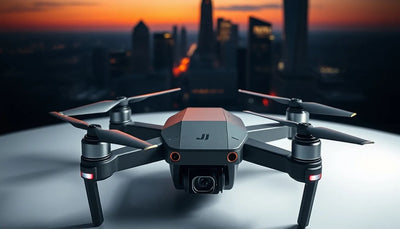
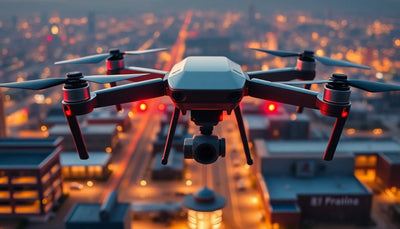
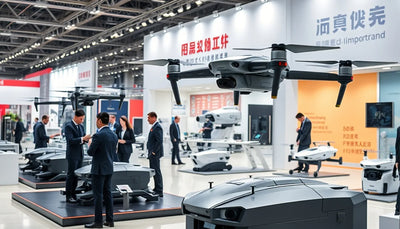
Drones enter production front lines as industry efficiency shifts
A new industry report from 21 Finance examines how drones are moving from inspection and mapping into core production workflows. The shift is changing how operators plan fleets, manage downtime, and think about repair and replacement cycles across commercial operations.

Quick answer
A 21 Finance industry report indicates drones are moving into core production and frontline industrial workflows, reshaping how companies think about efficiency, fleet planning, and equipment uptime.
- Drones are shifting from peripheral inspection roles into production-critical operations
- The change affects fleet sizing, spare parts planning, and repair turnaround expectations
- Operators should review downtime risk and parts availability for production-linked drone fleets
- The trend may increase demand for reliable pre-owned units and OEM-pulled parts in cost-sensitive industrial segments
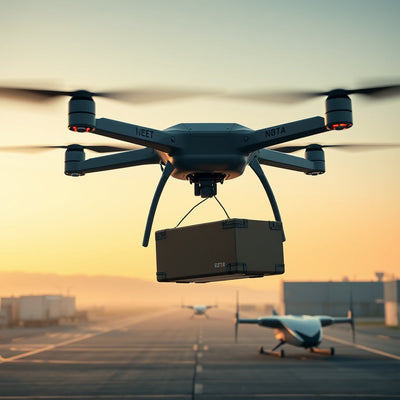
A new industry report from 21 Finance, published as part of its market coverage in China, argues that drones are no longer confined to mapping, surveying, and inspection at the edges of industrial operations. Instead, the report says, unmanned aircraft are entering the production front line, where they are being integrated into workflows that directly shape output, logistics, and operational tempo. The report frames this as a structural shift in how industrial companies view aerial automation, not simply an expansion of the existing drone services market.
Market context
Turn market news into a buy, repair, or trade-in decision.
Compare pre-owned availability, resale timing, and repair economics before the market moves again.

The development matters because production-linked drone use changes the commercial stakes for operators. A drone used for periodic site inspection can be grounded for days without major disruption. A drone embedded in a live production or logistics chain creates a different kind of pressure: downtime becomes a direct cost, replacement cycles shorten, and the reliability of both the aircraft and its spare parts pipeline becomes a planning variable rather than an afterthought.
What the 21 Finance report signals about industrial drone adoption
The 21 Finance report describes drones moving into production environments where their output is tied to core industrial processes. The source summary points to drones reshaping industry efficiency, with the emphasis on the production front line rather than support functions. That language suggests a shift from drones as data collection tools toward drones as operational assets whose availability affects throughput, scheduling, and labor allocation.
For commercial operators, the implication is that drone procurement is becoming less like buying a camera and more like buying production equipment. In that context, buyers begin to evaluate total cost of ownership differently. They ask how long a unit can stay in service, how quickly it can be repaired, whether spare parts are readily available, and whether a replacement unit can be sourced without disrupting the workflow the drone now supports.
Why production-linked drone use changes fleet and repair planning
When a drone is part of a production workflow, unplanned downtime has a measurable cost. The 21 Finance report does not provide specific downtime figures or operational benchmarks, but the framing is clear enough for fleet managers to draw practical conclusions. A production-linked drone fleet needs more deliberate planning around maintenance intervals, spare part availability, and backup aircraft than a fleet used primarily for periodic inspection or mapping.
This is where the commercial market for pre-owned DJI drones and OEM-pulled parts becomes relevant. Industrial operators looking to keep production-linked drone capacity available without overextending capital budgets may look for inspected pre-owned units that can serve as backup aircraft or as cost-effective additions to a growing fleet. The same logic applies to genuine OEM spare parts, which allow operators to keep existing aircraft in service rather than waiting for full-unit replacements.
What this means for drone owners and the market
The 21 Finance report suggests that as drones move into production front lines, the market for drone hardware and support services will increasingly resemble markets for other production equipment, where reliability, parts availability, and service speed matter more than marginal feature improvements. For individual drone owners and smaller operators, this shift may feel distant at first, but it has direct consequences for pricing, parts availability, and the resale value of well-maintained aircraft. For owners evaluating service and lifecycle risk, Drone Wiki explains the relevant repair, parts, resale, or operational path.
For buyers and fleet managers, the practical takeaway is to treat drone downtime as a planning risk, not an inconvenience. That means reviewing whether current fleets have adequate backup capacity, whether repair partners can turn around production-critical aircraft quickly, and whether sourcing pre-owned DJI drones or OEM-pulled parts can reduce the cost of maintaining that capacity. Operators who plan for downtime before it happens will be better positioned as production-linked drone use expands. For those evaluating repair and replacement options, the Drone Wiki provides reference material that can help clarify maintenance and parts considerations across common commercial platforms.
Where the commercial drone market goes from here
The 21 Finance report does not provide specific adoption figures, revenue projections, or named corporate case studies in the available summary. That leaves the precise scale of the production-line shift open to interpretation. What is clear is that the conversation around industrial drones is moving beyond the demonstration phase and into questions of operational integration, reliability, and cost control.
For the broader market, this trend could support demand for dependable pre-owned aircraft, faster repair turnaround, and more transparent parts sourcing. Industrial buyers tend to be more cost-sensitive than consumer buyers, but they also place a higher premium on uptime. That combination often favors suppliers who can deliver inspected, ready-to-fly units and genuine parts quickly, rather than buyers waiting on new-unit availability or navigating uncertain third-party repair channels.
Reboot Hub analysis suggests that operators should watch how production-linked drone adoption affects used aircraft pricing and parts demand in the coming quarters. If more industrial users treat drones as production equipment, the market for reliable pre-owned DJI platforms and OEM-pulled components could tighten, particularly for workhorse models that are already popular in logistics, agriculture, and infrastructure inspection.
FAQ
Frequently asked questions
What does the 21 Finance report actually say about drones in production?
The report indicates that drones are entering the production front line and reshaping industry efficiency, moving beyond peripheral inspection roles into workflows tied more directly to industrial output and operations.
How does production-linked drone use affect repair and maintenance planning?
When drones support live production or logistics workflows, downtime becomes a direct operational cost. Fleet managers should plan for backup aircraft, faster repair turnaround, and reliable spare parts availability to avoid disrupting production schedules.
Should commercial operators consider pre-owned drones for production-linked fleets?
Inspected pre-owned DJI drones can serve as cost-effective backup or expansion units for industrial fleets, especially when uptime matters more than having the newest model. The key is sourcing units that have been properly inspected and are supported by genuine OEM-pulled parts where repairs are needed.
Which sources support this update?
The article distinguishes reported information from analysis and does not present an unverified source as official confirmation.
What remains subject to change?
Retail pricing, availability, product bundles and regulatory timelines can change. Readers should verify the latest terms with the named retailer, manufacturer or regulator before acting.
How should buyers or operators use this analysis?
Use the verified facts as a starting point, then compare mission fit, lifecycle support, maintenance needs and current procurement terms before making a purchase or fleet decision.
Sources consulted
- Source material - primary source
Additional official documentation was not available at publication time.
Reboot Hub Editorial adds buyer, repair, resale, and operational analysis for drone owners. If you spot an error, contact us for correction review through our editorial policy.