DJI Osmo 360 II Reaches Malaysia With 8K60 Sensor And Swappable Lenses
DJI's Osmo 360 II has been reported launching in Malaysia with a 1-inch 8K/60fps sensor and replaceable lenses. The development signals a new tier of modular 360 capture that could reshape pre-owned pricing and repair planning for commercial imaging operators.

Quick answer
The DJI Osmo 360 II has been reported launching in Malaysia with a 1-inch 8K/60fps sensor and replaceable lenses, according to Pokde.Net.
- The Malaysia launch was reported by Pokde.Net as a regional market development.
- The camera is described with a 1-inch 8K/60fps sensor and replaceable lens design.
- Replaceable lenses introduce modular repair and spare-part considerations for operators.
- The launch may influence pre-owned DJI imaging equipment pricing and demand.
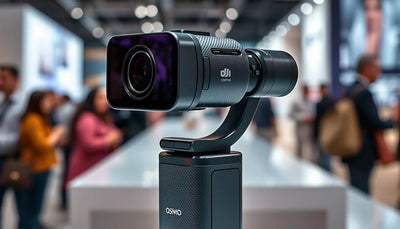
The DJI Osmo 360 II has been reported launching in Malaysia, a development that adds a new modular imaging option to DJI's camera lineup in the region. According to Pokde.Net, the device features a 1-inch 8K/60fps sensor and a replaceable lens system, a combination that positions it differently from fixed-lens 360 cameras that have defined much of the category so far.
DJI buying context
Match product news to hardware you can actually deploy.
Check inspected DJI aircraft, repair support, and trade-in timing before deciding whether to upgrade, repair, or wait.

For commercial drone operators, inspection teams, and imaging specialists who already run DJI ecosystems, the Malaysia launch matters less as a single-market event and more as a signal of where DJI's camera hardware is heading. A replaceable lens architecture changes how buyers think about longevity, repair, and resale value, especially in a market where pre-owned DJI equipment already carries meaningful demand.
What the reported launch includes
Pokde.Net's reporting describes the Osmo 360 II as launching in Malaysia with a 1-inch sensor capable of 8K/60fps capture and a replaceable lens design. The source does not detail a full specification sheet, regional pricing structure, or availability timeline beyond the launch itself. Reboot Hub analysis treats the replaceable lens element as the most commercially significant detail, because it departs from the sealed, fixed-lens construction common in earlier 360 camera generations.
For operators, a replaceable lens system introduces questions that fixed-lens hardware never raised. A scratched or damaged front element no longer necessarily means replacing the entire camera. Instead, the repair path may involve swapping a lens module, assuming OEM or compatible lens assemblies become available through service channels. That is a structural shift with real implications for fleet maintenance budgets and downtime planning.
What this means for drone buyers
Drone buyers and imaging operators evaluating the Osmo 360 II should consider how modular hardware affects total cost of ownership. A camera with replaceable lenses may hold value differently than a sealed unit, particularly if lens modules remain available as genuine OEM spare parts. Buyers who have historically treated 360 cameras as disposable after lens damage may need to revise that assumption. The practical takeaway is to evaluate lens availability and replacement cost before committing to the platform, not just the headline sensor specifications. For buyers comparing ownership options, Pristine Pre-Owned DJI Osmo 360 provides a practical next step for model, condition, and replacement timing.
Reboot Hub analysis: The pre-owned DJI market is likely to feel this launch in two ways. First, current-generation fixed-lens 360 cameras may see pricing pressure as buyers wait for modular alternatives to become more widely available. Second, if the Osmo 360 II proves durable and repairable, it could become a stronger used-market asset than cameras that cannot be economically repaired after lens damage. For operators considering a Pristine Pre Owned Dji Osmo 360, the replaceable lens design is worth tracking because it directly affects long-term serviceability and resale confidence.
Repair and spare-part implications
Replaceable lenses change the repair conversation for professional DJI repair providers and fleet managers. A modular lens mount means damage assessment becomes more granular. Technicians can isolate whether a fault sits in the lens module, the sensor assembly, or the body electronics. That separation can reduce repair costs and turnaround times when the failure is confined to the lens, but it also requires service providers to stock or source the correct lens modules.
The source reporting does not confirm whether DJI has established a formal lens replacement program or spare-part pricing for the Osmo 360 II in Malaysia. Reboot Hub analysis suggests operators should ask about OEM-pulled parts availability and lens module sourcing before standardizing on this hardware. A replaceable lens is only an operational advantage if replacement components are actually obtainable through legitimate channels at predictable cost.
Regional launch and market positioning
Malaysia's inclusion in the reported launch is notable because Southeast Asia has become a meaningful market for DJI imaging products across consumer, prosumer, and commercial segments. Pokde.Net's coverage frames the Osmo 360 II as a regional product introduction rather than a global specification announcement. That distinction matters for buyers outside Malaysia who may see staggered availability or regional differences in bundled accessories and warranty terms.
For fleet planners and procurement teams, the practical step is to monitor whether the replaceable lens system appears in other DJI camera lines over the next product cycle. If modular lens architecture spreads across DJI's imaging portfolio, it could reshape how operators budget for repairs, how insurers value camera assets, and how the pre-owned market prices equipment with swappable optics versus sealed units.
FAQ
Frequently asked questions
What is the central development reported about the DJI Osmo 360 II?
Pokde.Net reported that the DJI Osmo 360 II has launched in Malaysia with a 1-inch 8K/60fps sensor and a replaceable lens system.
Why does a replaceable lens design matter for commercial operators?
A replaceable lens design can lower repair costs and downtime when lens damage occurs, because the lens module may be swapped without replacing the entire camera body.
How could this launch affect the pre-owned DJI market?
Modular hardware that is repairable may hold resale value better than sealed fixed-lens cameras, while older fixed-lens 360 models could face pricing pressure as buyers anticipate modular alternatives.
Which sources support this update?
The article distinguishes reported information from analysis and does not present an unverified source as official confirmation.
What remains subject to change?
Retail pricing, availability, product bundles and regulatory timelines can change. Readers should verify the latest terms with the named retailer, manufacturer or regulator before acting.
How should buyers or operators use this analysis?
Use the verified facts as a starting point, then compare mission fit, lifecycle support, maintenance needs and current procurement terms before making a purchase or fleet decision.
Sources consulted
- Pokde.Net via Google News - primary source
Additional official documentation was not available at publication time.
Reboot Hub Editorial adds buyer, repair, resale, and operational analysis for drone owners. If you spot an error, contact us for correction review through our editorial policy.