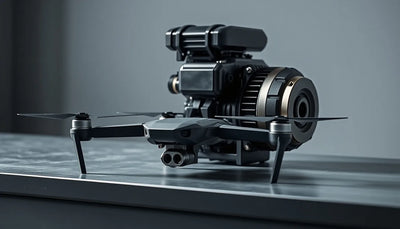
Arizona Guard First to Field Gray Eagle 25M Drone Fleet
Arizona's National Guard will receive 12 Gray Eagle 25M unmanned aircraft systems by late 2029, marking the first fielding of this upgraded platform. The move signals broader defense procurement momentum that could shape drone supply chains and service expectations.

Quick answer
Arizona's National Guard will be the first unit to field the Gray Eagle 25M drone, receiving 12 unmanned aircraft systems by the end of 2029, according to Defense News.
- Arizona will receive 12 Gray Eagle 25M systems by late 2029
- This is the first fielding of the upgraded Gray Eagle 25M platform
- The report comes from Defense News industry coverage
- The timeline suggests a multi-year procurement and delivery window
Evidence: Defense News · Defense.gov official source
Fleet readiness
Keep DJI hardware available without overbuying new units.
Use defense and fleet news as a planning signal for repair support, inspected pre-owned aircraft, and replacement timing.

Verified facts
What the available evidence confirms
| Field | Detail |
|---|---|
| Recipient | Arizona National Guard |
| Platform | Gray Eagle 25M |
| Quantity | 12 unmanned aircraft systems |
| Delivery window | By end of 2029 |
| Reporting source | Defense News |
The Arizona National Guard is set to become the first unit to field the Gray Eagle 25M unmanned aircraft system, according to reporting from Defense News. The state will receive 12 of the systems by the end of 2029, a timeline that stretches across multiple procurement and delivery cycles and signals a deliberate, phased rollout for the upgraded platform.
For commercial drone operators, fleet managers, and repair customers, a defense fielding announcement like this may seem distant from day-to-day operations. But defense procurement has a way of shaping supplier behavior, component availability, and service expectations across the broader unmanned systems market. Understanding where military drone programs are heading helps commercial buyers anticipate shifts in parts supply, repair capacity, and resale dynamics.
What the Gray Eagle 25M fielding actually involves
Defense News reported on October 15, 2026, that Arizona will receive 12 Gray Eagle 25M unmanned aircraft systems by the end of 2029. The report describes this as the first fielding of the platform, meaning no other unit has yet been publicly identified as receiving the upgraded system on this schedule. The Gray Eagle 25M represents an evolution of a well-established military drone line, and first-fielding status typically carries weight for how subsequent units and allied buyers evaluate the platform.
The delivery window is notable. A timeline running to the end of 2029 suggests that this is not an immediate, single-batch deployment. For operators watching defense supply chains, multi-year delivery schedules often mean staggered production, phased training, and incremental support infrastructure. That cadence can influence how manufacturers allocate engineering resources, test capacity, and component inventory across both defense and adjacent commercial programs.
Why defense drone procurement matters to commercial operators
Military unmanned systems programs do not operate in a vacuum. The suppliers that build airframes, sensors, ground control stations, and power systems for defense platforms often share engineering talent, manufacturing lines, and component sourcing networks with commercial drone producers. When a major defense platform moves into fielding, it can absorb supplier capacity and shift priorities in ways that ripple through the broader market.
For fleet operators running enterprise or inspection drones, this matters in practical terms. Lead times for certain components can stretch when defense orders compete for the same production slots. Repair turnaround can be affected when service centers juggle military support contracts alongside commercial work. And pricing for specialized parts can move when demand spikes from a large institutional buyer. None of this is guaranteed from a single announcement, but the Gray Eagle 25M fielding is the kind of signal that procurement planners and maintenance leads should log.
What this means for drone owners and the market
The immediate commercial impact of the Arizona announcement is limited. Twelve systems delivered over roughly three years is a modest program by defense standards, and the Gray Eagle 25M is not a platform that competes directly with commercial camera or inspection drones. But the first-fielding designation matters because it establishes a reference point. Other National Guard units, federal agencies, and international partners often wait for a first fielding to validate logistics, training, and sustainment before committing to their own orders.
For owners of pre-owned DJI drones and operators who depend on genuine OEM spare parts, the relevant question is whether defense demand pulls on the same repair and parts ecosystem. While DJI and Gray Eagle occupy different market segments, the broader unmanned systems supply chain is interconnected through component suppliers, battery technology, sensor modules, and repair labor. A sustained defense buildout can tighten availability for specialized repair work and extend turnaround times for commercial customers. Buyers evaluating a pre-owned drone purchase or a fleet expansion should consider service lead times as part of the total cost of ownership, not just the upfront hardware price. For operators researching platform reliability and repair economics, the Drone Wiki offers a practical reference for understanding how different drone systems hold up over time. For owners evaluating service and lifecycle risk, Drone Wiki explains the relevant repair, parts, resale, or operational path.
Reboot Hub analysis suggests that the more significant commercial signal here is directional. Defense procurement of unmanned systems has been expanding across multiple programs, and first-fielding events like this one tend to reinforce supplier confidence. That confidence can translate into investment in production capacity, which may eventually benefit commercial buyers through more mature supply chains. But in the near term, operators should not expect any measurable change in commercial drone pricing or parts availability from this announcement alone.
What buyers and fleet managers should watch next
The Arizona fielding is a starting point, not a conclusion. The practical implications for commercial operators will depend on what follows: whether additional units are announced, whether the delivery schedule accelerates, and whether sustainment contracts reveal which suppliers will handle maintenance, repair, and overhaul work. Those details will tell market watchers more about capacity pressure than the initial fielding announcement itself.
Fleet managers should treat this as a data point in a longer procurement trend. When defense programs move from development to fielding, the support ecosystem around them matures. That often means more formalized repair networks, more standardized parts documentation, and more predictable service intervals. For commercial operators, those improvements can eventually translate into better repair practices and more reliable component sourcing across the industry. For now, the actionable step is to monitor whether the Gray Eagle 25M sustainment model introduces new service providers or parts channels that could influence commercial repair capacity in the coming years.
FAQ
Frequently asked questions
What did Defense News report about the Gray Eagle 25M?
Defense News reported that Arizona's National Guard will be the first to field the Gray Eagle 25M drone, with 12 unmanned aircraft systems scheduled for delivery by the end of 2029.
Does this announcement affect commercial drone prices?
Reboot Hub analysis: There is no direct evidence that the Arizona fielding will change commercial drone prices. The program is modest in scale and the delivery window extends to 2029, so any supply chain impact would likely be gradual and indirect.
Should drone buyers change their purchasing plans based on this news?
No immediate change is warranted. Buyers and fleet managers should note the announcement as part of a broader defense procurement trend and watch for sustainment contract details that could reveal supplier capacity shifts affecting repair and parts availability.
Which sources support this update?
The visible evidence links identify Defense News and Defense.gov official source; each source is used only for the claim it directly supports.
What remains subject to change?
Retail pricing, availability, product bundles and regulatory timelines can change. Readers should verify the latest terms with the named retailer, manufacturer or regulator before acting.
How should buyers or operators use this analysis?
Use the verified facts as a starting point, then compare mission fit, lifecycle support, maintenance needs and current procurement terms before making a purchase or fleet decision.
Sources consulted
- Defense News - primary source
- Defense.gov official source - official government source
Reboot Hub Editorial adds buyer, repair, resale, and operational analysis for drone owners. If you spot an error, contact us for correction review through our editorial policy.