White House Elevates Drone Security as National Priority
The White House is accelerating counter-drone policy and calling for faster action, expanded training, and a larger role for local law enforcement. Commercial operators and drone buyers should watch how this shifts procurement, compliance expectations, and the pre-owned DJI market.

Quick answer
The White House is making drone and counter-drone security a major national priority, with calls for faster action, expanded training, and a greater role for local law enforcement.
- National Security Council official Sebastian Gorka called for faster action on drone security.
- The administration wants expanded training and more state and local law enforcement involvement.
- The policy push includes accelerating American drone technology development.
- Commercial operators may face new compliance and procurement considerations.
Evidence: DRONELIFE · AeroVironment unmanned systems solutions
Market context
Turn market news into a buy, repair, or trade-in decision.
Compare pre-owned availability, resale timing, and repair economics before the market moves again.

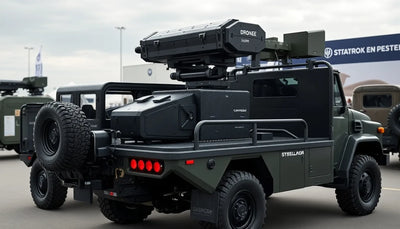
DRONELIFE reported on November 13 that the White House is placing drone and counter-drone security at the top of its national agenda. The central message came from Dr. Sebastian Gorka, a National Security Council official, who called for faster action, expanded training, and a greater role for local law enforcement. The administration is framing this as a major national priority, with an emphasis on expanding state and local capabilities and accelerating American drone technology development.
For commercial operators, fleet managers, and drone buyers, the announcement signals that drone security is moving from a niche federal concern into a broader policy conversation. Reboot Hub analysis suggests that this shift could influence procurement decisions, training requirements, and how public agencies and private enterprises think about the drones they already own or plan to buy. The practical question is not whether counter-drone policy will expand, but how quickly it reaches the operators who fly every day.
What the White House policy push actually says
According to the DRONELIFE report, the White House is treating drone and counter-drone security as a major national priority. Dr. Sebastian Gorka, speaking as a National Security Council official, called for faster action and expanded training. The administration also wants a greater role for local law enforcement, which suggests that state and municipal agencies may see new responsibilities or resources tied to drone security in the coming months.
The source also points to an emphasis on accelerating American drone technology development. That detail matters for commercial buyers because it hints at a policy environment that may favor domestic manufacturing, domestic supply chains, and procurement programs tied to national security goals. Reboot Hub analysis views this as a potential long-term shift in how public agencies evaluate drone vendors, even if the immediate operational impact on private pilots remains uncertain.
Why local law enforcement involvement changes the market
The call for a greater role for local law enforcement is one of the more commercially significant details in the DRONELIFE report. If state and local agencies receive expanded training or new counter-drone responsibilities, they may also need more drones, more spare parts, and more repair capacity. Public safety fleets tend to operate under strict uptime requirements, which means maintenance and parts availability become procurement factors rather than afterthoughts.
For repair customers and fleet operators, this is a signal to review current maintenance workflows. A drone that sits grounded because a gimbal arm or landing gear component is unavailable represents a direct operational cost. Reboot Hub analysis suggests that as local agencies expand their drone programs, demand for genuine OEM spare parts and professional DJI repair services could rise alongside the broader policy push. The pre-owned DJI market may also see movement if agencies and smaller operators look for inspected pre-owned units to stretch budgets while meeting new training or deployment expectations.
What this means for drone owners and the market
The White House focus on counter-drone security does not change the basic rules of safe commercial flight, but it does raise the visibility of drone operations in public policy. Buyers who are evaluating a new drone or a fleet expansion should pay attention to whether future procurement guidance favors American-made platforms or specific security features. That kind of policy shift can reshape resale values, parts availability, and the long-term cost of ownership for certain models.
For owners of DJI hardware, the pre-owned market remains a practical way to enter or expand a fleet without absorbing the full depreciation of a new unit. As policy discussions around drone security intensify, Reboot Hub analysis expects more operators to evaluate pristine pre-owned DJI drones alongside new purchases, especially when budget cycles are tight or when a secondary unit is needed for training. Readers who want to understand how these policy signals affect the repair and resale side of the market can review The White House Roof Becomes America S Most Advanced Drone Fortress for additional context on how federal security priorities intersect with drone hardware decisions. For owners evaluating service and lifecycle risk, The White House Roof Becomes America S Most Advanced Drone Fortress explains the relevant repair, parts, resale, or operational path.
The operator-facing takeaway is straightforward: do not wait for a formal rule to arrive before reviewing your fleet's compliance posture, maintenance plan, and resale strategy. A buyer or fleet manager who understands the direction of policy can make better procurement decisions today, whether that means securing genuine OEM spare parts for existing aircraft, planning a pre-owned purchase, or budgeting for training that may become mandatory at the state or local level.
The commercial signal behind the security headline
Beyond the immediate security framing, the DRONELIFE report carries a commercial signal: drone policy is becoming more institutionalized. When a National Security Council official publicly calls for faster action and expanded training, it suggests that drone security is not a temporary initiative but a structural priority. That kind of signal tends to influence budgets, vendor selection, and the pace at which agencies adopt or upgrade drone programs.
For the broader market, this could mean more demand for training services, more scrutiny of supply chains, and more interest in repair and parts infrastructure that can keep public and private fleets operational. Reboot Hub analysis sees this as a positive for the professional drone service ecosystem, including repair providers and sellers of inspected pre-owned units. The key is that operators who treat maintenance and parts availability as strategic concerns will be better positioned than those who treat them as afterthoughts.
FAQ
Frequently asked questions
What did the White House announce about drone security?
According to DRONELIFE, the White House is making drone and counter-drone security a major national priority. National Security Council official Sebastian Gorka called for faster action, expanded training, and a greater role for local law enforcement.
How could this affect commercial drone operators?
Commercial operators may see new training expectations, increased local agency involvement, and procurement guidance that favors domestic drone technology. Fleet managers should monitor how these policy signals affect parts availability and resale values.
Should drone buyers change their purchasing plans now?
Buyers do not need to halt purchases, but they should factor policy direction into long-term fleet planning. Reviewing maintenance workflows, genuine OEM spare parts access, and pre-owned DJI options can help operators stay flexible as requirements evolve.
Which sources support this update?
The visible evidence links identify DRONELIFE and AeroVironment unmanned systems solutions; each source is used only for the claim it directly supports.
What remains subject to change?
Retail pricing, availability, product bundles and regulatory timelines can change. Readers should verify the latest terms with the named retailer, manufacturer or regulator before acting.
How should buyers or operators use this analysis?
Use the verified facts as a starting point, then compare mission fit, lifecycle support, maintenance needs and current procurement terms before making a purchase or fleet decision.
Geraadpleegde bronnen
- DRONELIFE - primary source
- AeroVironment unmanned systems solutions - official company source
De redactie van Reboot Hub voegt analyses toe over aankoop, reparatie, restwaarde en operationele aspecten voor drone-eigenaren. Indien u een fout constateert, neem dan contact met ons op voor een correctiebeoordeling conform ons redactionele beleid.