US Army Adds Robotics Technician Role for Drone Warfare
The US Army is creating a robotics technician position to advise commanders on autonomous systems during operations. The move signals deeper institutional investment in battlefield robotics and may shape how defense drone maintenance and parts demand evolve for commercial operators and repair markets.

Quick answer
The US Army has created a robotics technician job focused on drone warfare, with technicians advising commanders on deploying autonomous systems during operations.
- The role is designed to support autonomous warfare expertise at the command level.
- Robotics technicians will advise on how best to deploy autonomous systems in operations.
- The development was reported by Defense News on October 12, 2026.
- It signals formal recognition of robotics maintenance and operational integration as a distinct military skill set.
Evidence: Defense News
Fleet readiness
Keep DJI hardware available without overbuying new units.
Use defense and fleet news as a planning signal for repair support, inspected pre-owned aircraft, and replacement timing.

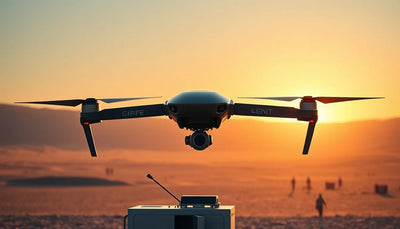
The U.S. Army is moving to formalize drone and robotics expertise inside its operational command structure. According to Defense News, the service has created a robotics technician position intended to focus specifically on drone warfare. The new role is designed to place autonomous systems specialists alongside commanders, where they can advise on how to deploy robotics effectively during operations.
The announcement, reported on October 12, 2026, marks a structural shift rather than a one-off procurement decision. By creating a dedicated technician track, the Army is acknowledging that autonomous systems require continuous operational and maintenance expertise, not just initial fielding. For commercial drone operators, fleet managers, and repair providers, that distinction matters. It suggests that military demand for robotics support skills may begin to compete with civilian channels for talent, parts, and service capacity.
What the robotics technician role actually signals
Defense News reports that the new robotics technicians will serve as experts in autonomous warfare, advising commanders on deployment decisions during operations. That advisory function is significant. It places robotics knowledge at the planning table rather than relegating it to a rear-echelon maintenance bay. The role appears to blend operational understanding with technical depth, a combination that has historically been difficult to staff in both military and commercial drone programs.
Reboot Hub analysis: the creation of this position suggests the Army expects autonomous systems to remain a persistent feature of its force structure. Job classifications are not created lightly in large institutions. They reflect a judgment that a capability is durable enough to justify dedicated training pipelines, career progression, and retention incentives. For the broader drone industry, that durability signal is worth watching. It implies sustained government investment in robotics support infrastructure over multiple budget cycles.
Maintenance and parts demand in defense robotics
Any expansion of military robotics roles carries downstream implications for maintenance and spare parts. Autonomous systems used in operational settings experience high wear rates, frequent component swaps, and demanding repair cycles. A dedicated technician workforce will likely require standardized diagnostic procedures, modular replacement parts, and reliable supply chains for consumables such as propellers, gimbals, batteries, and sensor housings.
While the Defense News report does not specify which platforms the robotics technicians will support, the operational logic is clear. Technicians who advise commanders need working knowledge of the systems in the field. That knowledge depends on hands-on maintenance experience. As the Army builds that experience base, it may also refine its expectations for repairability and parts availability, standards that often influence commercial drone design and aftermarket support over time.
What this means for drone owners and the market
Commercial drone operators and fleet managers should read this development as an early indicator of where defense drone investment is heading. When a military service creates a dedicated technical role, it typically follows with training contracts, tooling purchases, and parts logistics arrangements. Those procurement streams can affect supplier capacity and component availability in adjacent markets, including the pre-owned and repair segments that serve civilian operators.
For buyers in the pre-owned DJI market, the signal is indirect but relevant. Defense demand for reliable, repairable airframes tends to reinforce the value of platforms with established parts ecosystems and documented maintenance histories. Operators who keep their aircraft in serviceable condition with genuine OEM spare parts are better positioned to preserve resale value as institutional buyers and service providers compete for scarce technical resources. For those tracking maintenance standards and parts availability, the Drone Wiki offers a reference point for understanding repair and component considerations across common platforms. For owners evaluating service and lifecycle risk, Drone Wiki explains the relevant repair, parts, resale, or operational path.
The robotics technician role may also influence how repair providers think about service documentation. Military maintenance cultures emphasize traceability, inspection intervals, and replacement part provenance. As those practices become more visible in defense drone programs, commercial repair customers may begin to expect similar rigor from civilian service providers. Shops that already document inspections and use OEM-pulled parts may find that their operational discipline becomes a competitive advantage.
Broader implications for fleet planning and procurement
Fleet managers evaluating multi-year drone budgets should note that the Army's move signals institutional confidence in autonomous systems as a long-term capability. That confidence can translate into sustained government demand for training, simulation, diagnostics, and repair infrastructure. For commercial operators, the practical takeaway is to avoid treating drone maintenance as an afterthought. Platforms with modular components, accessible service documentation, and reliable parts channels are easier to keep operational under pressure.
The Defense News report does not provide details on training duration, certification requirements, or which commands will receive robotics technicians first. Those specifics will likely emerge as the role is implemented. Until then, the central fact is clear: the U.S. Army has decided that drone warfare expertise deserves its own professional identity. That decision, by itself, is a meaningful data point for anyone planning a career, a fleet, or a repair business around autonomous systems.
FAQ
Frequently asked questions
What did the US Army announce about robotics technicians?
According to Defense News, the US Army has created a robotics technician job focused on drone warfare. The technicians will serve as autonomous warfare experts and advise commanders on deploying autonomous systems during operations.
How does this affect commercial drone operators?
The new role signals sustained military investment in drone maintenance, parts, and technical training. Commercial operators may see increased competition for skilled technicians and component supply as defense programs expand their support infrastructure.
Should drone buyers change their maintenance approach?
Buyers and fleet managers should prioritize platforms with strong parts availability and documented maintenance histories. As defense maintenance standards become more visible, disciplined repair practices and genuine OEM parts may support better resale value and operational reliability.
Which sources support this update?
The visible evidence links identify Defense News; each source is used only for the claim it directly supports.
What remains subject to change?
Retail pricing, availability, product bundles and regulatory timelines can change. Readers should verify the latest terms with the named retailer, manufacturer or regulator before acting.
How should buyers or operators use this analysis?
Use the verified facts as a starting point, then compare mission fit, lifecycle support, maintenance needs and current procurement terms before making a purchase or fleet decision.
Geraadpleegde bronnen
- Defense News - primary source
Ten tijde van publicatie was geen aanvullende officiële documentatie beschikbaar.
De redactie van Reboot Hub voegt analyses toe over aankoop, reparatie, restwaarde en operationele aspecten voor drone-eigenaren. Indien u een fout constateert, neem dan contact met ons op voor een correctiebeoordeling conform ons redactionele beleid.