FAA Section 2209 Drone Rules Put Critical Infrastructure in Focus
DRONELIFE reports on SkySafe's Melissa Swisher discussing FAA Section 2209 and drone detection around critical infrastructure. The conversation highlights how airspace intelligence is becoming a compliance and security priority for commercial operators and facility managers.

Quick answer
DRONELIFE reported on a Drone Radio Show interview with SkySafe Chief Revenue Officer Melissa Swisher covering FAA Section 2209 and drone detection for critical infrastructure protection.
- SkySafe specializes in drone detection and airspace intelligence for sensitive facilities
- The discussion centers on FAA Section 2209 and critical infrastructure airspace awareness
- Customers include government and other organizations needing drone activity visibility
- The report frames detection and flight pattern identification as a growing compliance area
Evidence: DRONELIFE · FAA UAS official guidance
Operator checklist
Turn policy news into a safer fleet decision.
Before changing aircraft, compare repair paths, available DJI inventory, and trade-in timing against the rule change.

Commercial drone operators and fleet managers tracking the regulatory landscape have a new conversation to pay attention to. According to a report published by DRONELIFE on October 20, 2026, the latest episode of The Drone Radio Show features Melissa Swisher, Chief Revenue Officer of SkySafe, discussing FAA Section 2209 and the growing role of drone detection technology in protecting critical infrastructure.
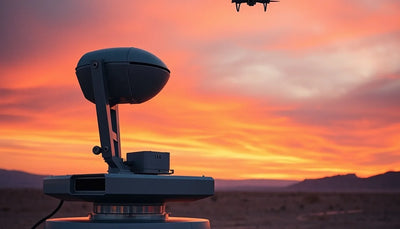
SkySafe, a San Diego-based company, focuses on drone detection and airspace intelligence. The company provides organizations with tools to detect drones, identify flight patterns, and build a clearer operational picture of activity around sensitive facilities. The DRONELIFE report notes that SkySafe's customer base includes government entities, though the full scope of its commercial footprint is not detailed in the source material.
The timing of this discussion matters. FAA Section 2209 has been a point of regulatory attention for operators flying near or around critical infrastructure, and conversations like this one signal that detection and airspace awareness are moving from niche security concerns into broader compliance discussions. For commercial pilots, repair customers, and fleet planners, understanding how this regulatory area evolves could shape where and how drones are deployed.
What FAA Section 2209 means in context
The DRONELIFE report frames FAA Section 2209 as a central topic in the interview with Swisher. While the source summary does not provide the full statutory text or a detailed compliance breakdown, the reference itself is significant. Section 2209 is associated with federal efforts to address drone activity around critical infrastructure, and it has been a recurring subject in counter-UAS and airspace security policy conversations.
For operators, the practical takeaway is that critical infrastructure airspace is not a neutral environment. Facilities such as utilities, transportation hubs, and government sites increasingly sit under a different set of expectations than open recreational or commercial airspace. A drone flying near these locations may be detected, identified, and logged even if the operator is otherwise compliant with standard FAA flight rules.
Reboot Hub analysis suggests that this creates a layered compliance burden. A pilot may hold a valid Part 107 certificate, maintain line of sight, and follow airspace authorizations, yet still encounter detection systems operated by facility owners or security contractors. Understanding that these systems exist, and that they are becoming more common, is part of responsible flight planning.
SkySafe and the airspace intelligence market
SkySafe's positioning in this conversation is notable. The company is not primarily a drone manufacturer or a training provider. It operates in the detection and intelligence layer of the drone ecosystem, offering visibility into what is flying, where it is flying, and how it is behaving. The DRONELIFE report describes this as providing organizations with the technology and information needed to detect drones and better understand airspace activity.
This matters commercially because it reflects a maturing market. Drone adoption has grown across enterprise, public safety, and logistics, but so has the need for oversight. Facility operators want to know when a drone is nearby. Regulators want better data on incursions. Security teams want to distinguish between a hobbyist flying a small consumer quadcopter and a more concerning flight pattern.
For drone buyers and fleet operators, the rise of detection infrastructure is a signal that operational transparency is becoming a market expectation. A pre-owned DJI drone purchased for commercial mapping or inspection work may perform its job well, but the operator still needs to account for how that flight will be perceived and recorded by third-party systems. This is not a reason to avoid flying; it is a reason to fly with better planning and documentation.
What this means for drone owners and the market
The commercial drone market is increasingly shaped by two forces: hardware capability and regulatory clarity. FAA Section 2209 discussions, as covered by DRONELIFE, highlight the second force. Operators who ignore the security and compliance layer around critical infrastructure risk operational friction, even when their flight itself is technically legal.
For fleet managers, the practical step is to incorporate airspace awareness into pre-flight workflows. That means checking not only FAA airspace authorizations but also whether the mission area includes facilities that may have their own detection and reporting systems. A mapping flight near a utility corridor or a construction inspection near a transit hub may trigger additional scrutiny. Documenting the mission purpose, flight path, and authorization can reduce friction if questions arise.
For individual buyers, especially those entering the pre-owned market, the regulatory environment should influence purchase decisions. A drone that is well-suited for open-area agricultural work may not be the right tool for missions near sensitive sites. Understanding the operational context, not just the hardware specifications, is part of making a sound investment. For those evaluating pre-owned DJI drones or planning fleet expansion, resources like the Drone Wiki can help clarify how regulatory and operational considerations intersect.
The repair and maintenance side of the market also feels this shift. Operators who fly near critical infrastructure may face more documentation requests, more flight logging requirements, and more scrutiny of their equipment's reliability. A drone that experiences signal issues, battery anomalies, or firmware problems during a sensitive mission creates a larger problem than the same issue during a recreational flight. This reinforces the value of professional DJI repair and genuine OEM spare parts for commercial operators who cannot afford unpredictable downtime. For owners evaluating service and lifecycle risk, Drone Wiki explains the relevant repair, parts, resale, or operational path.
Regulatory momentum and operator preparedness
The DRONELIFE report does not announce a new rule or a specific enforcement action. It highlights a conversation, and that conversation is itself a data point. Industry media, podcast platforms, and security vendors are devoting attention to FAA Section 2209 because the topic has staying power. Operators should treat that attention as a leading indicator of where compliance expectations are heading.
One practical implication is that documentation habits should improve now, not later. Flight logs, maintenance records, operator certifications, and mission briefs all become more valuable when airspace activity is being monitored by third parties. A clean record can distinguish a professional operator from an unprepared one, especially in situations where a facility owner or security team raises a concern.
Another implication involves equipment choices. Operators who fly in or near sensitive areas may benefit from drones with reliable geofencing behavior, stable firmware, and predictable flight characteristics. Pre-owned DJI drones that have been inspected and maintained to a high standard can serve these missions well, but only if the operator understands the regulatory environment and prepares accordingly.
Reboot Hub analysis: The broader market signal is that drone detection and airspace intelligence are becoming permanent parts of the commercial ecosystem. Just as Remote ID moved from proposal to requirement, the infrastructure around critical facility airspace awareness is likely to keep growing. Operators who adapt early will face fewer surprises and fewer operational interruptions.
FAQ
Frequently asked questions
What is FAA Section 2209?
FAA Section 2209 is referenced in the DRONELIFE report as a topic discussed in the context of drone detection and critical infrastructure protection. The source summary does not provide the full statutory text, but the discussion indicates it relates to federal oversight of drone activity around sensitive facilities.
Who is SkySafe and what does the company do?
SkySafe is a San Diego-based company specializing in drone detection and airspace intelligence. According to DRONELIFE, it provides organizations with technology to detect drones, identify flight patterns, and understand airspace activity around sensitive facilities.
Should commercial drone operators change how they plan flights near critical infrastructure?
Operators should assume that flights near critical infrastructure may be detected and logged by third-party systems. Documenting mission purpose, flight path, and authorizations, along with maintaining reliable equipment, can reduce operational friction even when a flight is legally compliant.
Which sources support this update?
The visible evidence links identify DRONELIFE and FAA UAS official guidance; each source is used only for the claim it directly supports.
What remains subject to change?
Retail pricing, availability, product bundles and regulatory timelines can change. Readers should verify the latest terms with the named retailer, manufacturer or regulator before acting.
How should buyers or operators use this analysis?
Use the verified facts as a starting point, then compare mission fit, lifecycle support, maintenance needs and current procurement terms before making a purchase or fleet decision.
Geraadpleegde bronnen
- DRONELIFE - primary source
- FAA UAS official guidance - official regulator source
De redactie van Reboot Hub voegt analyses toe over aankoop, reparatie, restwaarde en operationele aspecten voor drone-eigenaren. Indien u een fout constateert, neem dan contact met ons op voor een correctiebeoordeling conform ons redactionele beleid.