Amazon Warehouse Owner Appeals North Myrtle Beach Drone Pad Denial
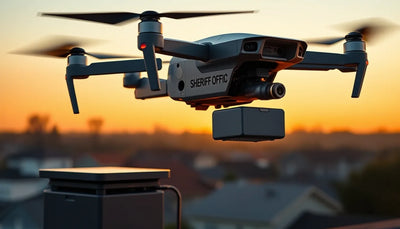
The owner of Amazon's North Myrtle Beach warehouse site is challenging the city's 6-0 drone pad denial in court. The appeal, filed Nov. 19, moves first to state-mandated mediation. Here is what the dispute signals for commercial drone logistics planning.

Quick answer
The owner of Amazon's North Myrtle Beach warehouse site appealed the city's 6-0 drone pad denial on Nov. 19, and South Carolina law sends the case to mediation before any court ruling.
- Appeal filed Nov. 19 after city planning commission voted 6-0 to deny the drone pad
- State law routes the dispute to mediation before formal court proceedings
- Case involves drone delivery infrastructure at an Amazon warehouse site
- Outcome could shape how coastal municipalities handle commercial drone ground facilities
Evidence: DroneXL.co
Operator checklist
Turn policy news into a safer fleet decision.
Before changing aircraft, compare repair paths, available DJI inventory, and trade-in timing against the rule change.

The owner of Amazon's North Myrtle Beach warehouse site has taken the city's drone pad denial to court, filing an appeal on Nov. 19 after a unanimous 6-0 vote blocked the proposed ground infrastructure. The reporting comes from DroneXL.co, which covered the appeal filing and the procedural path now ahead. Under South Carolina law, the case does not go straight to a courtroom ruling. It moves first into state-mandated mediation, a step that adds time and uncertainty before any binding decision emerges.
For commercial drone operators, fleet managers, and logistics planners watching Amazon's delivery network, the dispute is more than a local zoning squabble. It highlights a recurring friction point in the U.S. drone economy: airspace access and aircraft capability have advanced faster than ground-level land use rules. A warehouse can be approved for truck traffic and loading docks, but a drone pad attached to the same facility can still trigger a separate municipal review that ends in rejection.
What the North Myrtle Beach case actually involves
According to DroneXL.co, the appeal was filed by the owner of the Amazon warehouse site, not by Amazon itself. That distinction matters commercially. Property owners and developers often carry the zoning and land use burden for logistics facilities, while the tenant operator focuses on flight operations and delivery workflows. The city's planning body voted 6-0 to deny the drone pad, a margin that signals broad local resistance rather than a narrow procedural objection.
South Carolina law routes this type of appeal to mediation before litigation proceeds. Mediation is a structured negotiation process where a neutral third party helps the property owner and the city explore whether a compromise exists. For drone infrastructure, that could mean revised pad placement, noise mitigation commitments, adjusted operating hours, or landscaping buffers. If mediation fails, the case can move forward in court, but the timeline stretches further.
The practical implication is clear: a drone delivery program cannot simply assume that a warehouse approval covers the physical ground infrastructure needed for takeoff and landing. Operators planning new sites should treat drone pad zoning as a separate, potentially contested approval layer from day one.
Why local drone pad fights are becoming a procurement issue
Commercial drone logistics depends on a chain of physical assets: aircraft, charging or battery swap stations, landing pads, weather shelters, and secure staging areas. When one link in that chain is delayed by a municipal denial, the operational value of the other links drops. A fleet of delivery drones without an approved launch and recovery site is stranded capacity.
This is where the North Myrtle Beach case offers a useful planning signal. Procurement teams evaluating drone delivery programs should build local zoning risk into their site selection models. A warehouse with favorable lease terms but hostile municipal planning dynamics may carry hidden delays that outweigh the apparent savings. DroneXL.co's reporting does not specify the city's stated reasons for the denial, so operators should avoid assuming the objection was technical, environmental, or aesthetic. The 6-0 vote, however, suggests the planning body saw no easy path to conditional approval.
For fleet operators outside the Amazon ecosystem, the case reinforces a conservative approach: secure written confirmation of drone ground infrastructure approval before committing capital to aircraft, spare parts, and staffing for a specific site. The appeal process now underway could take months, and mediation outcomes are not guaranteed to favor the property owner.
What this means for drone owners and the market
The immediate market impact is limited to one coastal South Carolina site, but the signal extends further. Municipal drone pad denials are becoming a recognizable cost center in commercial drone logistics planning. Every month of mediation or litigation is a month where delivery routes, maintenance schedules, and staffing plans remain frozen. For operators who buy pre-owned DJI drones or enterprise aircraft to support delivery and inspection workflows, the lesson is to separate aircraft readiness from site readiness. A drone can be flight-ready while its ground infrastructure remains legally blocked.
Buyers and fleet managers should also pay attention to how property owners and logistics tenants divide responsibility for drone pad approvals. In this case, the site owner filed the appeal, which suggests the zoning burden sits with the real estate side rather than the drone operator. That division can work in favor of smaller operators leasing space at larger logistics properties, but it also means the operator has less direct control over the approval timeline. For anyone evaluating a lease or service contract that includes drone ground infrastructure, the North Myrtle Beach appeal is a reminder to review the approval status before signing. Reboot Hub's Drone Wiki offers background on drone ownership and operational planning for buyers who want to understand how regulatory and site-level factors affect fleet decisions. For owners evaluating service and lifecycle risk, Drone Wiki explains the relevant repair, parts, resale, or operational path.
The pre-owned DJI market is not directly exposed to this single zoning dispute, but the broader pattern matters. If municipal drone pad denials become more common, delivery-focused operators may delay fleet expansion, which can soften demand for both new and pre-owned aircraft. Conversely, operators who keep their site approval timelines short may find better value in inspected pre-owned units that can be deployed quickly once a pad is cleared. The key variable is timing, not aircraft availability.
What operators should watch next
The mediation phase will determine whether the North Myrtle Beach drone pad dispute resolves quietly or escalates into a more public court battle. DroneXL.co's reporting indicates the appeal was filed Nov. 19, and the mediation requirement is a statutory step under South Carolina law. No mediation date or specific settlement terms were reported in the source material.
Operators should monitor three things. First, whether the city and property owner reach a conditional approval that could serve as a template for other coastal municipalities. Second, whether Amazon or the site owner adjusts the pad design or operating plan in response to local concerns. Third, whether the case produces any written ruling or settlement language that clarifies how South Carolina cities must treat drone ground infrastructure under existing zoning codes.
For now, the safest planning assumption is that drone pad approvals are not automatic, even at sites already tied to major logistics tenants. Treat ground infrastructure as a distinct regulatory hurdle, budget time for mediation or appeals, and keep fleet purchasing decisions flexible enough to absorb site-level delays.
FAQ
Frequently asked questions
Who filed the appeal in the North Myrtle Beach drone pad case?
The owner of the Amazon warehouse site filed the appeal on Nov. 19, according to DroneXL.co. The city planning body had voted 6-0 to deny the drone pad.
What happens next in the appeal process?
South Carolina law sends the case to mediation before any court ruling. The property owner and the city will attempt to negotiate a resolution with a neutral mediator.
Why does this matter for commercial drone operators?
The case shows that drone ground infrastructure can face separate zoning hurdles even at established logistics sites. Operators should factor local approval risk into site selection and fleet planning timelines.
Which sources support this update?
The visible evidence links identify DroneXL.co; each source is used only for the claim it directly supports.
What remains subject to change?
Retail pricing, availability, product bundles and regulatory timelines can change. Readers should verify the latest terms with the named retailer, manufacturer or regulator before acting.
How should buyers or operators use this analysis?
Use the verified facts as a starting point, then compare mission fit, lifecycle support, maintenance needs and current procurement terms before making a purchase or fleet decision.
Geraadpleegde bronnen
- DroneXL.co - primary source
Ten tijde van publicatie was geen aanvullende officiële documentatie beschikbaar.
De redactie van Reboot Hub voegt analyses toe over aankoop, reparatie, restwaarde en operationele aspecten voor drone-eigenaren. Indien u een fout constateert, neem dan contact met ons op voor een correctiebeoordeling conform ons redactionele beleid.