Ørsted Drone Photo Points to DJI FlyCart 100 in Offshore Runs
Ørsted and Skyports reportedly flew 121 to 143-pound toolkits to Hornsea 2 turbines and back, with one BVLOS flight. The aircraft in Ørsted's image matches a DJI FlyCart 100, raising questions about heavy-lift drone use and import costs.

Quick answer
DroneXL.co reported that Ørsted and Skyports flew 121 to 143-pound toolkits to Hornsea 2 offshore turbines and back, including one BVLOS flight, using an aircraft that matches a DJI FlyCart 100.
- The reported payload range was 121 to 143 pounds per kit.
- One flight was conducted beyond visual line of sight.
- The aircraft in Ørsted's photo matches a DJI FlyCart 100 heavy lifter.
- The report frames heavy-lift drone logistics as a growing offshore wind use case.
Evidence: DroneXL.co
Market context
Turn market news into a buy, repair, or trade-in decision.
Compare pre-owned availability, resale timing, and repair economics before the market moves again.

Verified facts
What the available evidence confirms
| Reported detail | What the source states |
|---|---|
| Payload range | 121 to 143-pound toolkits flown to Hornsea 2 turbines and back |
| Flight type | One BVLOS flight reported |
| Aircraft identification | Photo matches a DJI FlyCart 100 heavy lifter |
| Project parties | Ørsted and Skyports |
DroneXL.co reported on October 19 that Ørsted and Skyports flew 121 to 143-pound toolkits to Hornsea 2 offshore wind turbines and back, including one beyond visual line of sight flight. The aircraft shown in Ørsted's published photo, according to the report, matches a DJI FlyCart 100 heavy lifter. That visual match is commercially significant because the FlyCart 100 sits in a product class that has faced US import cost pressure, even as offshore energy operators are testing it for real logistics work.
The report frames the Hornsea 2 activity as a working demonstration of heavy-lift drone logistics in a demanding offshore environment. For commercial drone buyers and fleet planners, the story matters less as a single flight and more as a signal about where heavy-lift platforms are being pushed into routine industrial service. Reboot Hub analysis: the offshore wind sector is becoming a visible test bed for payload-class drones, and that has direct consequences for procurement, spare parts planning, and the pre-owned DJI market.
The reported operation and the aircraft identification
According to DroneXL.co, the operation involved flying toolkits weighing between 121 and 143 pounds out to Hornsea 2 turbines and back. The source states that one of the flights was conducted beyond visual line of sight, a detail that matters because BVLOS operations typically require specific regulatory approvals and operational safeguards. The report does not specify which regulator authorized the flight, nor does it detail the full approval chain.
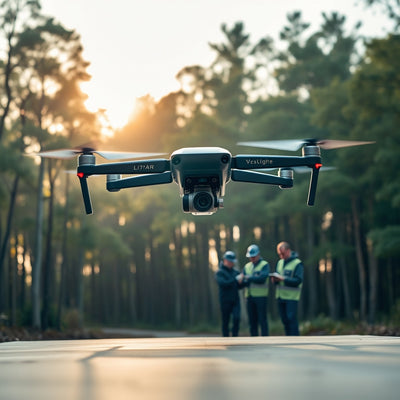
The central visual claim is that the aircraft in Ørsted's photo matches a DJI FlyCart 100. DroneXL.co makes that identification based on the image, not on a formal statement from Ørsted, Skyports, or DJI included in the source data. Reboot Hub does not have independent confirmation from the companies involved. Operators should treat the aircraft identification as source-level reporting rather than an official product endorsement or fleet commitment by Ørsted.
For fleet buyers, the operational implication is clear: heavy-lift drones are being evaluated for offshore logistics where helicopter or vessel transfers are slow, costly, or weather-dependent. A 121 to 143-pound payload window covers toolkits, small components, and consumables, which is exactly the kind of repetitive transfer work that offshore wind operators want to move away from crewed transport.
Why the DJI FlyCart 100 match matters commercially
The source title points to a specific commercial tension: the aircraft resembles a DJI heavy lifter that the United States taxes at 100 percent. That framing connects an offshore European logistics trial to a US import policy issue that affects pricing, availability, and fleet economics for American buyers. Reboot Hub analysis: if a platform like the FlyCart 100 becomes the default heavy-lift workhorse for offshore wind and industrial logistics, US operators face a materially different cost structure than European or Asian buyers.
This matters for procurement planning. A 100 percent import duty changes the total cost of ownership calculation for new units, and it also affects the resale value of pre-owned DJI drones already in the US market. When new equipment becomes more expensive at the border, inspected pre-owned units and genuine OEM spare parts often become more attractive to cost-sensitive operators. Fleet managers who need heavy-lift capability may need to weigh new import costs against pre-owned inventory, repair economics, and parts availability.
The report does not state that Ørsted purchased FlyCart 100 units in the United States or that the company faced US import duties. The Hornsea 2 site is in UK waters, and the operation involved Skyports, a UK-based drone services firm. The US tax angle is a market context point, not a claim about Ørsted's procurement path. Readers should keep that distinction clear.
What this means for drone owners and the market
The Hornsea 2 report suggests that heavy-lift drone logistics is moving from pilot projects toward operational use in offshore energy. For commercial operators, that means payload-class platforms are no longer experimental curiosities. They are being flown in real industrial workflows with meaningful weight, over water, and at least partially beyond visual line of sight. That raises the stakes for maintenance discipline, battery management, and spare parts planning.
For repair customers and fleet managers, the practical takeaway is that heavy-lift platforms accumulate stress differently than camera drones. Repeated payload cycles, salt air exposure, and offshore landings put pressure on motors, arms, landing gear, and power systems. Operators running similar missions should plan for more frequent inspection intervals and keep genuine OEM spare parts available. For those managing DJI hardware, our Drone Wiki is a useful reference point for understanding platform-specific maintenance and ownership considerations. For owners evaluating service and lifecycle risk, Drone Wiki explains the relevant repair, parts, resale, or operational path.
The pre-owned DJI market could feel a secondary effect. If heavy-lift drones prove themselves in offshore and industrial logistics, demand for payload-class platforms may rise faster than supply, especially in markets where import costs are high. That can support resale values for inspected pre-owned units and increase demand for OEM-pulled parts. Buyers should watch whether more offshore operators publicly adopt heavy-lift DJI platforms, because that would be a demand signal for both new and pre-owned inventory.
Limits of the reporting and what to watch next
The source data is limited. DroneXL.co provides the payload range, the BVLOS detail, the Hornsea 2 location, and the visual match to the DJI FlyCart 100. It does not include official confirmation from Ørsted, Skyports, or DJI, and it does not specify the regulatory approvals, flight count, operational timeline, or commercial terms. Reboot Hub has not independently verified the aircraft identification or the flight details.
What to watch next is whether Ørsted or Skyports publishes its own project summary, whether DJI comments on offshore wind use cases for the FlyCart 100, and whether any US import policy changes affect heavy-lift drone pricing. For fleet buyers, the signal is already clear enough to justify scenario planning: payload-class drones are entering offshore logistics, and cost structures will vary sharply by region.
For operators evaluating heavy-lift platforms, the immediate step is to model total cost of ownership under current import conditions, compare new versus inspected pre-owned options, and confirm parts availability before committing to a fleet standard. A single offshore trial does not prove long-term reliability, but it does show that the use case is real enough for major energy companies to test.
FAQ
Frequently asked questions
Did Ørsted confirm it used a DJI FlyCart 100?
No. The DroneXL.co report identifies the aircraft in Ørsted's photo as matching a DJI FlyCart 100, but the source data does not include an official confirmation from Ørsted, Skyports, or DJI.
What payload did the reported offshore drone flights carry?
DroneXL.co reported that the flights carried toolkits weighing between 121 and 143 pounds to Hornsea 2 turbines and back.
Why does the US import tax matter for heavy-lift drone buyers?
The source points out that the aircraft resembles a DJI heavy lifter subject to a 100 percent US import tax. That can raise new-unit costs and make inspected pre-owned units and OEM spare parts more attractive for cost-sensitive operators.
Which sources support this update?
The visible evidence links identify DroneXL.co; each source is used only for the claim it directly supports.
What remains subject to change?
Retail pricing, availability, product bundles and regulatory timelines can change. Readers should verify the latest terms with the named retailer, manufacturer or regulator before acting.
How should buyers or operators use this analysis?
Use the verified facts as a starting point, then compare mission fit, lifecycle support, maintenance needs and current procurement terms before making a purchase or fleet decision.
참고 문헌
- DroneXL.co - primary source
발행 시점에 이용 가능한 추가 공식 문서는 없었습니다.
Reboot Hub 편집팀은 드론 소유자를 위해 구매, 수리, 재판매 및 운영 분석을 제공합니다. 오류를 발견하신 경우, 편집 정책에 따라 수정 검토를 요청해 주시기 바랍니다.