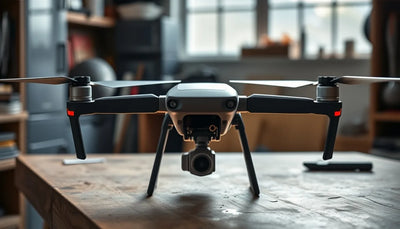
RayNeo GT Max Review Tests Mavic 4 Pro on a Truck-Sized Display
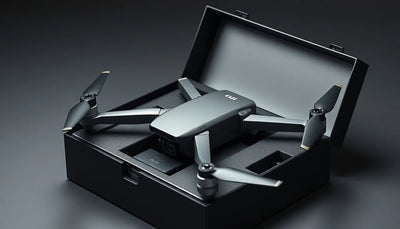
A new RayNeo GT Max review explores flying a DJI Mavic 4 Pro through augmented reality glasses, effectively giving pilots a truck-sized virtual screen. The test raises practical questions about display clarity, operator comfort, and whether AR wearables belong in commercial drone workflows.

Quick answer
A RayNeo GT Max review tested flying a DJI Mavic 4 Pro through AR glasses that simulate a truck-sized screen, highlighting both the appeal and the open questions for commercial drone operators.
- The review paired RayNeo GT Max AR glasses with a DJI Mavic 4 Pro
- The setup creates a virtual display described as truck-sized
- The test raises practical questions about field use, comfort, and display reliability
- Commercial operators should treat AR glasses as a supplementary viewing tool, not a replacement for standard monitors
A new hands-on review from DroneXL has put the RayNeo GT Max augmented reality glasses through a distinctive test: flying a DJI Mavic 4 Pro while viewing the feed on what the review describes as a truck-sized virtual screen. The piece, surfaced through Google News DJI, frames the accessory as a potential alternative to tablets and high-brightness monitors for pilots who want a larger image without adding physical bulk to their ground station.
DJI buying context
Match product news to hardware you can actually deploy.
Check inspected DJI aircraft, repair support, and trade-in timing before deciding whether to upgrade, repair, or wait.

For commercial operators, the test is less about novelty and more about whether wearable displays can hold up under real field conditions. The review does not position the RayNeo GT Max as a certified or officially endorsed DJI accessory. Instead, it reports on a practical pairing that many pilots have been curious about: a flagship folding drone matched with consumer AR hardware. That distinction matters when procurement teams evaluate whether such gear belongs in a professional kit.
What the RayNeo GT Max review actually tested
According to the DroneXL report, the core experience involved flying a Mavic 4 Pro while the RayNeo GT Max projected the drone feed onto a large apparent display. The truck-sized screen description is the review's central framing, suggesting a viewing area far larger than a typical 7-inch or 10-inch controller screen. That kind of virtual canvas can make it easier to spot fine details in terrain, inspect structures, or track a subject during cinematic maneuvers.
The review does not provide verified technical specifications for the glasses in the source material available for this article. Reboot Hub analysis would caution readers against assuming brightness, latency, battery life, or compatibility figures without checking the manufacturer's current documentation. What the source does establish is that the pairing worked well enough to form the basis of a full flight review, which is itself a useful signal for operators evaluating whether AR glasses are mature enough for everyday use.
The practical implication is straightforward: a larger virtual display can reduce eye strain during long inspection flights and give a pilot better situational awareness than squinting at a phone-sized screen. However, the review's framing also implies that the RayNeo GT Max is being evaluated as a consumer or prosumer accessory, not as a ruggedized enterprise tool. Fleet managers should weigh that distinction carefully.
What this means for drone buyers
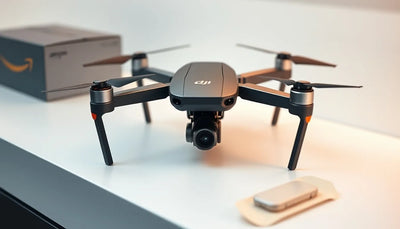
For buyers currently shopping for a Mavic 4 Pro or building out an accessory kit, the RayNeo GT Max review introduces another variable into the display decision. Many operators default to high-brightness tablets or dedicated smart controllers, but AR glasses offer a different trade-off: immersive screen size in exchange for questions about fit, battery endurance, and how the glasses handle direct sunlight or prescription lenses. For buyers comparing ownership options, Pristine Pre-Owned DJI Mavic 4 Pro provides a practical next step for model, condition, and replacement timing.
The pre-owned DJI market feels this indirectly. Pilots who buy a pristine pre-owned Mavic 4 Pro often allocate savings toward accessories, and display hardware is one of the first upgrades they consider. If AR glasses like the RayNeo GT Max prove practical, demand could shift some accessory spending away from tablets and toward wearable displays. If they remain a niche experiment, the standard monitor setup stays dominant. For now, the review suggests the technology is compelling but not yet a default recommendation.
Operators evaluating a Pristine Pre Owned Dji Mavic 4 Pro should treat the RayNeo GT Max as a possible add-on rather than a required component. The drone itself remains the primary investment, and display preferences vary widely by mission type. A pilot flying mapping grids may prefer a tablet with a matte screen, while a cinematographer might value the immersive view that AR glasses provide.
Where AR displays fit in commercial workflows
The DroneXL review does not claim that the RayNeo GT Max replaces a dedicated controller screen or a high-brightness monitor. Instead, it presents the glasses as an alternative viewing method that changes how the pilot experiences the flight. That nuance is important for commercial teams that need reliable, repeatable workflows rather than experimental setups.
In inspection and survey work, a stable, color-accurate display often matters more than raw screen size. In cinematic and FPV-style flying, immersion and spatial awareness can be more valuable. The RayNeo GT Max appears aimed at the latter use case, though the review's Mavic 4 Pro pairing suggests broader appeal. Without verified brightness and latency data in the source, Reboot Hub analysis would recommend that any operator test the glasses in bright outdoor conditions before committing to them for paid work.
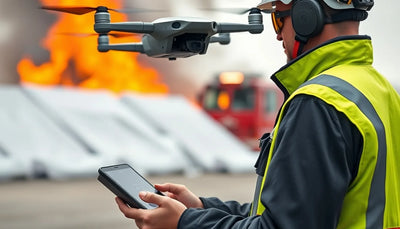
Another practical consideration is crew communication. A pilot wearing AR glasses may be less aware of their immediate surroundings, which can be a safety issue on active job sites. Standard practice in many commercial operations is to keep a visual observer watching the aircraft while the pilot monitors the screen. Adding a wearable display does not remove that requirement, and operators should not assume that a larger virtual screen improves safety on its own.
The accessory market signal for DJI operators
The fact that a review outlet chose to test the RayNeo GT Max specifically with a Mavic 4 Pro reflects the broader accessory ecosystem that has grown around DJI's flagship folding drone. Third-party manufacturers continue to develop displays, mounts, antennas, and carrying solutions aimed at the same pilot base. Each new product category tests whether operators will adopt gear that DJI itself does not sell or formally support.
For repair and resale businesses, this matters because accessory compatibility questions often surface during pre-owned purchases. A buyer who plans to use AR glasses may ask about firmware, video output options, and controller compatibility before completing a sale. Sellers who can speak to those questions build trust, while those who cannot may lose deals to more informed competitors. The RayNeo GT Max review adds one more topic to that conversation.
The review also hints at a longer-term trend: display technology is becoming a differentiator in the drone accessory market. As drone cameras improve and flight times extend, the way pilots view their footage becomes a more significant part of the operational experience. Whether AR glasses become standard equipment or remain a specialty tool depends on how quickly manufacturers address comfort, brightness, and reliability concerns.
FAQ
Frequently asked questions
Is the RayNeo GT Max officially supported by DJI for the Mavic 4 Pro?
The source review does not state that DJI officially supports or endorses the RayNeo GT Max. The pairing appears to be a third-party accessory test rather than a certified integration.
Should commercial drone operators buy AR glasses for field work?
Operators should evaluate AR glasses as a supplementary viewing tool. The review suggests the large virtual display is appealing, but field reliability, brightness, and comfort still need to be tested under real mission conditions before committing to paid work.
Does using AR glasses change the resale value of a pre-owned Mavic 4 Pro?
The drone's resale value is not directly affected by AR glasses. However, buyers who plan to use wearable displays may ask about controller output and compatibility, so sellers should be prepared to discuss those details during a pre-owned sale.
Which sources support this update?
The article distinguishes reported information from analysis and does not present an unverified source as official confirmation.
What remains subject to change?
Retail pricing, availability, product bundles and regulatory timelines can change. Readers should verify the latest terms with the named retailer, manufacturer or regulator before acting.
How should buyers or operators use this analysis?
Use the verified facts as a starting point, then compare mission fit, lifecycle support, maintenance needs and current procurement terms before making a purchase or fleet decision.
참고 문헌
- DroneXL via Google News - primary source
발행 시점에 이용 가능한 추가 공식 문서는 없었습니다.
Reboot Hub 편집팀은 드론 소유자를 위해 구매, 수리, 재판매 및 운영 분석을 제공합니다. 오류를 발견하신 경우, 편집 정책에 따라 수정 검토를 요청해 주시기 바랍니다.