Joby Aviation faces $116.9M trade secrets verdict from Aerosonic
A Delaware jury ordered air taxi developer Joby Aviation to pay $116.9 million to aviation supplier Aerosonic over alleged misuse of trade secrets tied to air pressure sensor probes. The ruling highlights rising legal risk in advanced air mobility supply chains and the cost of contested component development.

Quick answer
A Delaware jury ordered Joby Aviation to pay $116.9 million to aviation technology supplier Aerosonic in a trade secrets lawsuit over air pressure sensor probes.
- Aerosonic accused Joby of breaking a confidentiality agreement and misusing trade secrets related to air pressure sensor probes.
- The verdict was reported by Yahoo Finance's JOBY coverage on October 7, 2026.
- The case centers on component-level intellectual property in advanced air mobility development.
- The ruling does not directly involve consumer or commercial multirotor drones such as DJI models.
Evidence: Source material · Joby Aviation investor relations · FAA UAS official guidance
Operator checklist
Turn policy news into a safer fleet decision.
Before changing aircraft, compare repair paths, available DJI inventory, and trade-in timing against the rule change.

Verified facts
What the available evidence confirms
| Party | Role | Claim or outcome |
|---|---|---|
| Aerosonic | Aviation technology supplier | Alleged breach of confidentiality agreement and misuse of trade secrets |
| Joby Aviation | Air taxi maker | Ordered to pay $116.9 million by Delaware jury |
Joby Aviation, the California-based electric air taxi developer, has been hit with a $116.9-million jury verdict in a trade secrets lawsuit brought by aviation technology supplier Aerosonic, according to a report published by Yahoo Finance on October 7, 2026. The case centered on allegations that Joby broke a confidentiality agreement and misused trade secrets related to air pressure sensor probes, a component category that matters for flight instrumentation and altitude measurement.
The verdict, reported under Yahoo Finance's JOBY coverage, is one of the largest legal judgments to surface in the advanced air mobility sector this year. It does not involve consumer camera drones, agricultural multirotors, or standard commercial UAV platforms, but it does carry signal value for any company building or buying aviation-grade hardware under supplier agreements.
What the reported dispute involves
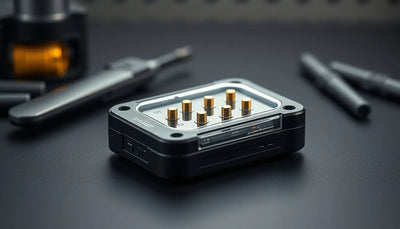
According to the Yahoo Finance report, Aerosonic accused Joby Aviation of breaking a confidentiality agreement and misusing trade secrets related to air pressure sensor probes. Air pressure sensor probes are precision components used to measure atmospheric pressure and support altitude and airspeed data in manned and unmanned aircraft. In electric vertical takeoff and landing aircraft, these sensors feed into flight control and navigation systems where small calibration errors can have outsized operational consequences.
The Delaware jury's $116.9-million verdict suggests the court found the supplier's claims persuasive enough to attach a substantial damages figure. The report does not include a detailed breakdown of how the jury calculated the award, nor does it confirm whether Joby plans to appeal. Reboot Hub analysis: trade secret verdicts of this size can pressure a company's cash position and may influence how aggressively it litigates or settles similar supplier disputes in the future.
Why component-level trade secret cases matter for advanced air mobility
Advanced air mobility programs depend on a dense network of specialized suppliers for sensors, actuators, motors, batteries, and flight control hardware. When a developer and a supplier part ways, the ownership of design data, test results, and manufacturing know-how can become contested. The Joby-Aerosonic case is a reminder that confidentiality agreements are not just administrative paperwork; they can become the basis for nine-figure legal exposure.
For commercial UAV operators, the practical lesson is indirect but real. Fleet buyers and repair customers increasingly depend on OEM-pulled parts and genuine OEM spare parts to keep aircraft airworthy. When supplier relationships fracture at the development stage, downstream part availability, documentation quality, and long-term serviceability can all be affected. A legal dispute over sensor probe trade secrets may not change the price of a DJI Mavic battery tomorrow, but it reinforces why procurement teams should care about component provenance and supplier stability.
What this means for drone owners and the market
The Joby verdict does not directly touch the pre-owned DJI market, consumer drone pricing, or standard commercial UAV repair workflows. Joby Aviation builds piloted electric air taxis, not the multirotor platforms that dominate the commercial drone fleet. Still, the case lands at a moment when drone buyers, fleet managers, and repair customers are paying closer attention to supply chain risk, intellectual property disputes, and the long-term viability of hardware vendors.
One operator-facing takeaway is to treat supplier and manufacturer legal health as part of procurement due diligence. A company fighting a $116.9-million trade secrets judgment may face capital constraints, delayed programs, or distracted engineering teams. For buyers evaluating long-lived fleet investments, that kind of legal exposure is worth monitoring even when the company operates in a different aircraft category. Readers tracking repair and parts sourcing decisions can use resources like the Drone Wiki to keep component and platform documentation organized as market conditions shift. For owners evaluating service and lifecycle risk, Drone Wiki explains the relevant repair, parts, resale, or operational path.
The second takeaway concerns component authenticity. Trade secret litigation often revolves around who owns the design and test data behind a part. For operators who buy replacement sensors, gimbals, flight controllers, or power components, this is a reminder that documentation and sourcing history matter. Pristine pre-owned aircraft and inspected pre-owned platforms with clear part histories are easier to evaluate than units with unknown component provenance.
How the ruling could shape supplier behavior
A nine-figure trade secrets verdict can change how suppliers approach confidentiality agreements in the aviation and UAV sectors. Suppliers may push for stricter data controls, more detailed audit rights, and clearer ownership clauses before sharing proprietary component designs. Developers, in turn, may face higher legal costs and slower onboarding for specialized parts.
For the broader drone market, the Joby case is unlikely to trigger immediate regulatory changes or affect FAA compliance requirements for standard commercial operators. It is a civil dispute between two companies, not a rulemaking or enforcement action. However, it adds to a growing body of legal activity around advanced air mobility, a sector that regulators, investors, and enterprise customers are watching closely as electric aircraft move toward certification and revenue service.
Reboot Hub analysis: The reported $116.9-million figure is substantial enough to appear in Joby's financial disclosures and investor communications. Public companies facing large adverse judgments often disclose appeal plans, insurance coverage, or settlement discussions in subsequent filings. Operators and market analysts tracking advanced air mobility should watch for those disclosures, since they may clarify whether the verdict is final, subject to appeal, or likely to be reduced.
FAQ
Frequently asked questions
Does the Joby Aviation verdict affect DJI drone owners?
No. The case involves Joby Aviation's air taxi development and a supplier dispute over air pressure sensor probes. It does not involve DJI consumer or commercial drones, DJI firmware, or DJI repair parts.
What should fleet managers do differently after this ruling?
Fleet managers should add supplier and manufacturer legal exposure to their procurement due diligence. A large trade secrets judgment can signal financial pressure or program delays, even when the company operates in a different aircraft category.
Why are air pressure sensor probes important in aviation?
Air pressure sensor probes measure atmospheric pressure and support altitude and airspeed data. In electric aircraft and advanced UAV platforms, these sensors feed flight control and navigation systems where accuracy and calibration are critical.
Which sources support this update?
The visible evidence links identify Source material and Joby Aviation investor relations and FAA UAS official guidance; each source is used only for the claim it directly supports.
What remains subject to change?
Retail pricing, availability, product bundles and regulatory timelines can change. Readers should verify the latest terms with the named retailer, manufacturer or regulator before acting.
How should buyers or operators use this analysis?
Use the verified facts as a starting point, then compare mission fit, lifecycle support, maintenance needs and current procurement terms before making a purchase or fleet decision.
참고 문헌
- Source material - primary source
- Joby Aviation investor relations - company investor information
- FAA UAS official guidance - official regulator source
Reboot Hub 편집팀은 드론 소유자를 위해 구매, 수리, 재판매 및 운영 분석을 제공합니다. 오류를 발견하신 경우, 편집 정책에 따라 수정 검토를 요청해 주시기 바랍니다.