DJI's Romo Robot Vacuum Sequel Signals Wider Home Robotics Push
DJI's second-generation Romo robot vacuum has surfaced in early coverage, pointing to deeper expansion beyond aerial platforms. For drone owners and fleet buyers, the move raises questions about DJI's broader hardware strategy, service support, and how product diversification affects long-term brand stability and pre-owned equipment demand.

Quick answer
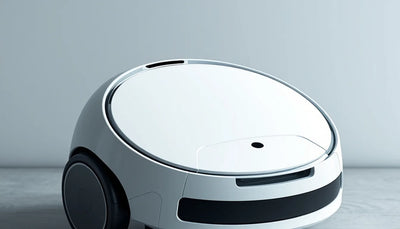
Early coverage from TechRadar indicates DJI has developed a second-generation Romo robot vacuum with a distinctive translucent shell design, signaling continued expansion into home robotics beyond drones.
- DJI's second-gen Romo robot vacuum has appeared in early industry coverage
- The design combines a translucent curved shell with exposed internal mechanics
- The development points to DJI diversifying its hardware portfolio beyond aerial platforms
- For drone owners, diversification may influence long-term brand support and pre-owned market confidence
Evidence: DJI ROMO official robot vacuum page · DJI Support ROMO beginner guide · Defense.gov official source
Market context
Turn market news into a buy, repair, or trade-in decision.
Compare pre-owned availability, resale timing, and repair economics before the market moves again.

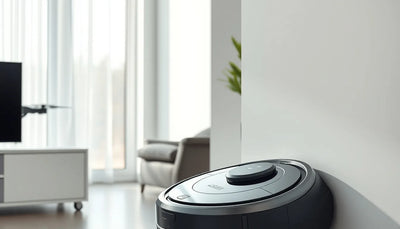
DJI's hardware ambitions are extending further beyond the sky. According to early coverage from TechRadar, the company's second-generation Romo robot vacuum has surfaced, and the design language is drawing attention for its unusual fusion of industrial transparency and retro-futurist aesthetics. The publication describes the device as resembling a cross between an HR Giger drawing and an iMac G3, a comparison that underscores how far DJI is willing to push visual identity in consumer robotics.
For commercial drone operators, fleet managers, and repair customers, this development is not simply a curiosity. DJI remains the dominant force in the uncrewed aerial vehicle market, and every signal about the company's broader product strategy carries implications for how it allocates engineering resources, manages supply chains, and supports existing hardware lines. A deeper push into home robotics could reshape the company's priorities in ways that matter to people who depend on DJI aircraft for revenue.
What the early reporting actually shows
TechRadar's coverage, sourced through Google News aggregation, frames the second-generation Romo robot vacuum as a notable visual departure from conventional home cleaning devices. The report emphasizes the translucent shell and exposed internal components, suggesting a design philosophy that prioritizes mechanical visibility over the muted, low-profile aesthetics common in the robot vacuum category. The comparison to an iMac G3 evokes the translucent plastic era of late-1990s computing, while the HR Giger reference points to a darker, more organic industrial sensibility.
What the source does not provide is equally important. There are no confirmed specifications, pricing details, launch dates, or official compatibility claims in the available reporting. Reboot Hub analysis would caution against reading too much into the design language alone. However, the existence of a second-generation product indicates that DJI has not abandoned its initial Romo experiment and is instead iterating on the platform. That continuity is itself a meaningful signal about the company's commitment to non-aerial robotics.
Why DJI's diversification matters to commercial operators
DJI's core business remains built on aerial platforms, but the company has repeatedly tested adjacent categories. The Romo line represents one of the clearest examples of DJI applying its stabilization, sensor, and navigation expertise to a ground-based consumer product. For drone buyers and fleet operators, this diversification raises a practical question: will resources flowing into home robotics affect the pace of drone firmware updates, repair part availability, or enterprise support?
Historically, DJI has maintained strong support for its professional and enterprise drone lines even while expanding into consumer categories like action cameras and handheld gimbals. The company's scale allows parallel product development across multiple divisions. Still, procurement managers evaluating long-term fleet commitments may want to monitor how DJI balances its growing home robotics portfolio against the needs of commercial aviation customers. A company that spreads its engineering talent across more product lines must work harder to maintain the reliability standards that enterprise drone operators expect.
What this means for drone owners and the market
The pre-owned DJI market tends to respond to signals about brand stability and product longevity. When a manufacturer demonstrates continued investment in new categories, it can reinforce confidence that the company has the financial and engineering resources to support existing products over time. For owners of pristine pre-owned DJI drones, that confidence translates into stronger resale value and a more liquid secondary market. Buyers evaluating inspected pre-owned aircraft are more willing to commit when they believe the manufacturer will remain a viable source of genuine OEM spare parts and firmware support for years to come. For owners evaluating service and lifecycle risk, Drone Wiki explains the relevant repair, parts, resale, or operational path.
At the same time, diversification introduces a subtle risk. If DJI's home robotics division grows rapidly, the company could face pressure to prioritize consumer electronics timelines over the more deliberate certification and safety cycles that govern commercial drone hardware. Fleet managers who rely on predictable maintenance schedules and stable firmware releases should watch for any signs that DJI's expanding product portfolio is stretching its quality assurance resources. For now, the available reporting offers no evidence of such strain, but the strategic direction is worth monitoring. Operators who want to understand how broader hardware trends affect drone ownership decisions can consult the Drone Wiki for context on DJI's product ecosystem and maintenance considerations.
The repair and parts perspective
Repair customers and independent service providers have a direct stake in DJI's product strategy. A company that diversifies into home robotics may develop new supply chain relationships, component sourcing arrangements, and service infrastructure that could either complement or compete with its drone repair ecosystem. The Romo vacuum's exposed mechanical design suggests a product built for serviceability, but that design philosophy does not automatically extend to DJI's drone lines.
For professional DJI repair shops, the key variable is whether DJI's expansion into home robotics affects the availability of OEM-pulled parts for existing drone models. If the company reallocates component inventory toward new product categories, repair lead times for certain drone parts could shift. Conversely, a broader hardware portfolio could give DJI more negotiating leverage with component suppliers, potentially stabilizing parts availability across all product lines. The source data does not provide enough detail to resolve this question, but it is a consideration that repair customers and service providers should keep on their radar.
FAQ
Frequently asked questions
Is DJI actually launching a new robot vacuum?
Early coverage from TechRadar indicates that a second-generation Romo robot vacuum exists and has been shown with a distinctive translucent design. However, no official launch date, pricing, or specifications have been confirmed in the available reporting.
How does DJI's home robotics push affect drone resale values?
Continued product diversification can reinforce confidence in DJI's long-term stability, which generally supports the pre-owned drone market. Buyers are more willing to invest in inspected pre-owned aircraft when they believe the manufacturer will remain a reliable source of parts and support.
Should fleet operators change their procurement plans based on this news?
No immediate change is warranted based on the limited reporting available. Fleet managers should monitor DJI's product strategy for signs of resource shifts, but the current evidence does not suggest any disruption to drone support, parts availability, or firmware development.
Which sources support this update?
The visible evidence links identify DJI ROMO official robot vacuum page and DJI Support ROMO beginner guide and Defense.gov official source; each source is used only for the claim it directly supports.
What remains subject to change?
Retail pricing, availability, product bundles and regulatory timelines can change. Readers should verify the latest terms with the named retailer, manufacturer or regulator before acting.
How should buyers or operators use this analysis?
Use the verified facts as a starting point, then compare mission fit, lifecycle support, maintenance needs and current procurement terms before making a purchase or fleet decision.
참고 문헌
- techradar.com via Google News - primary source
- DJI ROMO official robot vacuum page - official product page
- DJI Support ROMO beginner guide - official support guide
- Defense.gov official source - official government source
Reboot Hub 편집팀은 드론 소유자를 위해 구매, 수리, 재판매 및 운영 분석을 제공합니다. 오류를 발견하신 경우, 편집 정책에 따라 수정 검토를 요청해 주시기 바랍니다.