What Joby Aviation’s Stock Surge Means for Commercial UAV Operators
Joby Aviation, trading near $9, is racing to certify an electric air taxi. The news signals shifting capital flows and regulatory momentum that could reshape the pre-owned drone market, fleet planning, and repair services. Operators should watch closely.

編集ノート
- この記事は、指定された外部レポートとReboot Hub独自の分析を組み合わせ、ドローン購入者、フリートオペレーター、修理依頼客、および中古DJI市場の監視者に提供するものです。
- ソースとなる事実は解釈から分離されています。レポートのデータが限定的な場合は、その制限を明記した上で、Reboot Hubの見解を分析として提示します。
- Reboot Hubはドローン製品および修理サービスへの商用リンクを掲載していますが、これらは読者のためのリソースであり、記事の結論を決定付けるものではありません。
Joby Aviation, the California-based developer of an electric vertical takeoff and landing (eVTOL) aircraft, has seen its stock price hover near $9 as the company pushes toward certification and commercial launch. The company is racing to be first to market with an innovative new aircraft, and the financial community is taking notice. For commercial UAV operators, fleet managers, and buyers of pre-owned drones, this story is more relevant than it might first appear. The trajectory of advanced air mobility—of which Joby is a high-profile symbol—directly influences capital availability, regulatory tempo, and supply chain dynamics across the entire unmanned aircraft sector.

When a company like Joby attracts sustained investor attention, it signals that the market believes large-scale electric flight is commercially viable within a few years. That belief trickles down to component suppliers, battery manufacturers, and certification authorities. It also shifts buyer psychology. Operators who might have postponed drone investments may now accelerate purchases of proven platforms to bridge the gap before eVTOL services become practical. Others may delay upgrades, waiting to see if new air-taxi technology makes their current fleets obsolete. This tension creates real opportunities and risks in the pre-owned DJI drone market.
The Joby stock story and air mobility momentum
Joby Aviation is publicly traded and has been developing a five-seat eVTOL aircraft designed for urban air taxi service. The stock price around $9 reflects both optimism and caution. The company has yet to receive type certification from the FAA, though it has made steady progress on flight testing and manufacturing infrastructure. The source article on Yahoo Finance describes the company as “racing to be the first to bring an innovative new aircraft to market.” That race is not just about engineering—it is about capital, regulatory trust, and market timing. When a high-profile player like Joby inches closer to certification, it often accelerates FAA rulemaking for smaller unmanned aircraft operations as well.
For drone fleet operators, this means the regulatory environment for all electric aircraft—manned and unmanned—is likely to tighten in some areas while opening in others. Joby’s progress pushes regulators to define clearer airspace integration rules, which can benefit commercial drone operators by providing predictable frameworks. However, it also draws scrutiny toward battery safety, noise standards, and pilot training requirements, which may eventually apply to larger commercial drones. Fleet managers should monitor Joby’s certification milestones because they often precede broader rule changes that affect the entire industry.
What this means for drone buyers
If you are shopping for a commercial drone today—whether new or pre-owned—Joby’s story matters in three concrete ways. First, as eVTOL companies attract investment, component supply chains for batteries, motors, and composite structures scale up. This can lower costs for smaller drone components over time, though near-term shortages may occur as manufacturers prioritize higher-margin air taxi programs. Second, the certification path created for Joby may become a template for future unmanned aircraft certification, potentially raising the compliance bar for new drone models.
Commercial drone planning
Build the next fleet step around inspected hardware and serviceable parts.
Use Reboot Hub to compare pre-owned DJI drones, repair options, and OEM components before the market moves again.
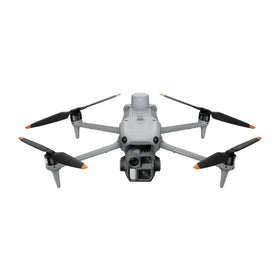
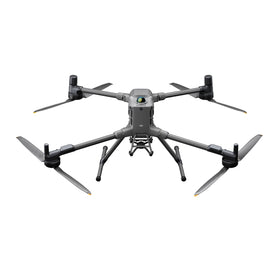
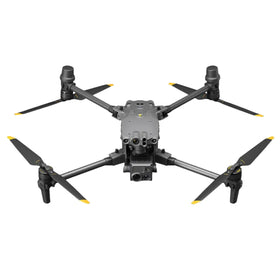
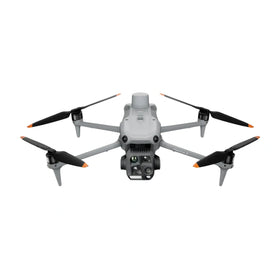
Third, and most immediately, the growing visibility of advanced air mobility encourages many operators to extend the useful life of their existing fleets rather than purchase brand-new equipment. That is where the pre-owned DJI drone market becomes critical. Platforms like the DJI Matrice 300 RTK or the Mavic 3 Enterprise series remain highly capable for inspection, surveying, and mapping. Buying a meticulously inspected pre-owned unit from a trusted source allows operators to wait out the eVTOL uncertainty without sacrificing operational capacity. For repair customers, this same logic applies: maintaining current drones with genuine OEM DJI spare parts ensures reliability while the industry evolves.
A buyer’s practical takeaway: do not rush to sell off your existing drone fleet. The technology you own is likely to serve you well for years, even as air taxi prototypes make headlines. Instead, consider investing in pre-owned DJI drones that offer proven performance and significant cost savings over new models. This approach preserves capital for future eVTOL adoption if and when it becomes commercially practical for your operations.
Implications for pre-owned DJI drone market and repair services
The rise of eVTOL air taxis does not directly threaten the pre-owned DJI drone market. In fact, it may strengthen it. As investors pour money into air taxi startups, the broader drone sector benefits from increased public awareness and infrastructure development. More companies are entering the UAS space, and many start with cost-effective used equipment to test workflows before committing to large fleets. This drives demand for pristine pre-owned drones and for professional repair services that can keep older units flying reliably.
For sellers of used DJI equipment, the current market conditions are favorable. Buyers are cautious about investing thousands in brand-new drones when the regulatory and technological landscape may shift significantly within three to five years. A well-maintained pre-owned drone offers a lower-risk entry point. Sellers who can offer verified flight logs, no-crash history, and original accessories will command premium prices. On the repair side, the emphasis on longevity means that professional DJI repair services using genuine OEM parts become even more valuable. Operators want their existing drones to last until the eVTOL market matures, and reliable repair keeps those drones airborne.
Service centers should prepare for increased demand for battery health assessments, motor replacements, and gimbal calibrations, as operators extend service intervals. The supply of genuine OEM spare parts, such as those offered by Reboot Hub, will be essential to prevent extended downtime. Fleet operators should stock critical spares for their most-used platforms—especially DJI’s Matrice and Mavic Enterprise lines—to avoid grounding aircraft due to part shortages.
Operator strategy amid AAM acceleration
Commercial drone operators face a strategic question: how do I position my fleet for the future without overcommitting to technology that may be surpassed? The answer, grounded in the Joby story, is to maintain flexibility. Joby’s race to market indicates that eVTOL will arrive, but not overnight. FAA certification for large air taxis remains complex, and initial operations will likely be limited to a few cities under strict conditions. For the next three to five years, traditional multirotor drones will continue to handle the vast majority of inspection, survey, and logistics tasks.
Operators should focus on maximizing the return on their current hardware. That means investing in pre-owned DJI drones with low cycles and a clear provenance, using professional repair to extend airframe life, and sourcing only genuine OEM spare parts to maintain airworthiness. It also means staying informed about Joby’s certification timeline, because the regulatory pathways it pioneers will likely influence future rules for all commercial UAVs. By keeping their fleets lean and reliable, operators can adapt quickly when eVTOL services become practical for their specific missions.
The financial community’s interest in Joby underscores a larger trend: the commercial drone and eVTOL sectors are converging. Batteries, avionics, and airspace management systems are becoming shared technologies. For the savvy operator, this convergence creates opportunities in the second-hand market and in repair services that few competitors are yet addressing. Those who act now—by purchasing inspected pre-owned equipment and building relationships with professional repair providers—will have a significant cost advantage as the industry matures.
Is Joby Aviation a direct competitor to DJI drones?
No. Joby is developing a five-seat eVTOL air taxi for urban passenger transport, not a camera or cargo drone. However, its certification progress, investment flows, and supply chain influence affect the broader market for all electric aircraft, including commercial UAVs.
Should I sell my used DJI drone to invest in eVTOL?
Not yet. eVTOL certification and commercial operations are still years away. The pre-owned DJI drone market remains active, and selling now may not be necessary. Consider holding or upgrading within the DJI ecosystem while monitoring Joby’s certification timeline.
How can I best prepare my fleet for the shift toward electric air taxis?
Maintain your current drones with professional repair and genuine OEM spare parts. Monitor Joby’s certification milestones and regulatory changes. For now, reliable pre-owned DJI models offer the best value-to-risk ratio while the industry transitions.
From Reboot Hub
Build the next fleet step around inspected hardware and serviceable parts.
Use Reboot Hub to compare pre-owned DJI drones, repair options, and OEM components before the market moves again.
Pre-owned DJI drones
Inspected pre-owned aircraft with warranty coverage and clear condition grading.
Browse inventory ->Genuine-part repair
Diagnostics, repair planning, and component replacement for working DJI fleets.
Book a repair ->OEM spare parts
Batteries, propellers, gimbals, and essential DJI components for faster recovery.
Shop parts ->