Q2 market gains and Nike earnings signal sustained drone sector momentum
Stock futures climb as Q2 ends, with Nike earnings and JOLTS data in focus. For drone operators, the economic backdrop points to continued investment in automation and fleet upgrades. We analyze the signal.

編集ノート
- この記事は、指定された外部レポートとReboot Hub独自の分析を組み合わせ、ドローン購入者、フリートオペレーター、修理依頼客、および中古DJI市場の監視者に提供するものです。
- ソースとなる事実は解釈から分離されています。レポートのデータが限定的な場合は、その制限を明記した上で、Reboot Hubの見解を分析として提示します。
- Reboot Hubはドローン製品および修理サービスへの商用リンクを掲載していますが、これらは読者のためのリソースであり、記事の結論を決定付けるものではありません。
As the second quarter of 2026 closes, September S&P 500 E-Mini futures (ESU26) are up +0.10% and September Nasdaq 100 E-Mini futures (NQU26) are up +0.16%, putting major indexes on track for their strongest quarterly gains in years. This broad market optimism, combined with upcoming U.S. JOLTS job openings data and Nike earnings (NYSE: NKE), provides a critical signal for the drone sector: a resilient economy supports continued capital deployment into automation, fleet upgrades, and professional drone services. For drone buyers and operators, these macro currents influence everything from budget cycles to second-hand pricing.

Market and sector signal
The quarter-end rally in equity futures reflects investor confidence that the U.S. economy can absorb interest rate adjustments and global supply chain shifts. The JOLTS report, expected to show a tight labor market, reinforces the narrative that companies will invest in automation—including drones for inspection, surveying, and delivery—to fill labor gaps. Meanwhile, Nike's earnings serve as a proxy for consumer spending strength, which directly affects commercial drone demand in logistics and retail.
Publicly traded drone companies such as AeroVironment (NASDAQ: AVAV) are likely to benefit from this environment. When broad markets perform, institutional investors tend to rotate into high-growth sectors, and defense-adjacent drone manufacturers often see increased valuation. However, the signal is not uniform: rising interest rates can still pressure speculative drone startups, while established players with recurring revenue from fleet services and repair contracts are more insulated.
For Reboot Hub readers tracking the second-hand drone market, a sustained rally often means corporate fleet managers are more willing to refresh equipment, flooding the pre-owned market with mid-life units. Conversely, if quarterly gains stall post-report, operators may defer new purchases and extend repair cycles. Keeping an eye on these macro indicators helps time both buying and selling decisions.
What this means for drone buyers
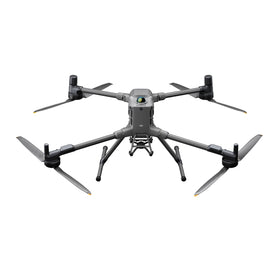
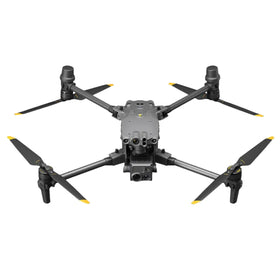
The macroeconomic tailwind means that institutional buyers—enterprise fleets, survey firms, and public safety agencies—are more likely to approve new drone budgets. However, individual operators and small firms should consider that higher corporate demand may tighten supply on popular enterprise models like the DJI Matrice series and Dock solutions.
Commercial drone planning
Build the next fleet step around inspected hardware and serviceable parts.
Use Reboot Hub to compare certified DJI drones, repair options, and OEM components before the market moves again.
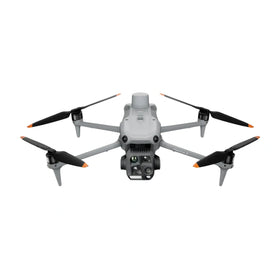
One product prominently positioned to benefit is the DJI Dock 3. According to verified technical specifications, the Dock 3 weighs 55 kg, supports open dimensions of 1760×745×485 mm, and closes to 640×745×770 mm for transport. Its operating temperature range of -30 to 50 °C and IP56 rating make it suitable for year-round deployment in harsh conditions. With a maximum input power of 800 W and the ability to land in winds up to 12 m/s and operate at altitudes up to 4500 m, the Dock 3 is a compelling choice for operators seeking automated remote inspection solutions.
Buyers considering a Dock 3 or similar docking station should evaluate whether the current economic picture justifies the investment. If corporate profits remain robust and labor remains tight, the ROI on automated drone-in-a-box deployments improves significantly. For those not ready to commit to a full system, the certified refurbished drone market offers a cost-effective entry point with lower upfront capital.
Fleet planning and repair readiness
Fleet operators should view the quarter-end market signal as a green light for strategic upgrades, but with a cautionary note. If the JOLTS data reveals a sudden drop in job openings, it could signal an economic slowdown that would tighten credit and reduce capital expenditures. In that scenario, extending the life of existing drones through professional repair services becomes a priority.
Reboot Hub’s professional DJI repair services ensure that fleets remain operational even when new equipment budgets are frozen. Using genuine parts, including those from the OEM spare parts catalog, maintains airworthiness and resale value. For example, a DJI Dock 3 owner facing extended service intervals can rely on refurbished docking station components to keep remote missions active.
Moreover, operators should assess their dependency on single-drone models. The market signal suggests that diversified fleets—mixing older refurbished units with newer Dock 3 systems—provide resilience. As used drone supply increases during market peaks, buyers who missed the initial rally can acquire mid-life equipment at lower prices. The MTS Radar tool can help track second-hand pricing trends and identify optimal purchase windows.
Second-hand market outlook and repair economics
The interplay between equity market performance and the secondary drone market is nuanced. When stock prices rise, early-stage companies that raised venture capital may liquidate surplus drones to free up cash, increasing supply. At the same time, established enterprises flush with profits may consolidate their fleets, selling off older units as they upgrade. This dynamic typically depresses prices for used entry-level and mid-range drones, but premium enterprise models like the DJI Matrice 300/350 hold value due to their utility.
For second-hand buyers, the current quarter-end rally suggests that the next six weeks could see a flood of listings from both corporate and public agency sellers completing fiscal year budget cycles. This is an ideal time to check the certified refurbished inventory for models with low flight hours and full maintenance records.
Repair economics also change with market conditions. In a strong economy, labor costs for repair technicians rise, making DIY repairs more attractive for operators with technical skills. Conversely, in a slowdown, repair service providers may offer competitive pricing to retain volume. Fleet managers should service contracts that lock in rates now. Reboot Hub’s repair network, using only genuine parts, provides cost certainty even as market conditions fluctuate.
Frequently asked questions
How do stock market gains affect drone resale values?
Stock market gains often correlate with higher corporate investment in new drones, which increases the supply of used models on the secondary market. This can depress resale values for older units in the short term, but premium enterprise drones with documented maintenance histories tend to hold value better.
Should I delay my drone purchase until after the JOLTS report?
Waiting for the JOLTS data is prudent if you are concerned about an economic slowdown. A strong report (high job openings) reinforces the case for buying now; a weak report could signal lower future demand and potentially lower prices. Monitor the release alongside repair and refurbished inventory options.
What specific drone models are most sensitive to these market signals?
Enterprise drones with automated docking capability, such as the DJI Dock 3 (55 kg, IP56 rated, support for -30 to 50 °C operation), are highly sensitive to corporate budget cycles. Consumer and prosumer models are more influenced by consumer spending and retail credit conditions. The OEM spare parts availability for each model is also a factor in total cost of ownership.
From Reboot Hub
Build the next fleet step around inspected hardware and serviceable parts.
Use Reboot Hub to compare certified DJI drones, repair options, and OEM components before the market moves again.
Certified DJI drones
Inspected pre-owned aircraft with warranty coverage and clear condition grading.
Browse inventory ->Genuine-part repair
Diagnostics, repair planning, and component replacement for working DJI fleets.
Book a repair ->OEM spare parts
Batteries, propellers, gimbals, and essential DJI components for faster recovery.
Shop parts ->