WorldSkills Adds Drone Systems Event, Signaling Industrial Shift
The WorldSkills competition has introduced a Drone Systems event, according to Sina Finance, highlighting how drone operation and maintenance are becoming formal industrial trades. The move signals broader workforce demand for skilled commercial drone technicians and operators.

Quick answer
WorldSkills has introduced a Drone Systems competition event, signaling that drone operation and maintenance are being formalized as industrial trades.
- The event reflects growing demand for structured drone skills training
- Commercial operators may see more standardized technician certification pathways
- The development points to drones becoming core industrial equipment rather than niche tools
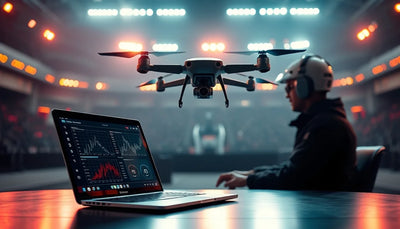
The global WorldSkills competition has introduced a Drone Systems event, a development reported by Sina Finance that frames drones not as consumer gadgets or experimental technology, but as industrial equipment requiring formalized trade skills. The report highlights the event as a signal of where drone technology is heading: into structured vocational training, standardized assessment, and recognized professional pathways.
Market context
Turn market news into a buy, repair, or trade-in decision.
Compare pre-owned availability, resale timing, and repair economics before the market moves again.

For commercial operators, fleet managers, and repair customers, this is more than a competition announcement. It reflects a broader industrial shift in how drones are being classified, taught, and maintained. When a global skills organization adds a dedicated drone systems category, it suggests that employers are asking for measurable, comparable competencies rather than informal flying experience alone.
The WorldSkills Drone Systems event in context
WorldSkills operates as a global platform for vocational skills competitions, bringing together competitors from multiple countries to demonstrate proficiency in trades ranging from manufacturing to digital technologies. According to the Sina Finance report, the addition of a Drone Systems event signals that drone operation and maintenance are being recognized alongside established industrial disciplines.
The report does not specify exact competition tasks, scoring rubrics, or participating countries in the source summary available to Reboot Hub. However, the very inclusion of the category suggests that organizers see drone systems work as a repeatable, assessable trade rather than a hobbyist pursuit. That distinction matters commercially because formal trade recognition tends to influence training curricula, employer hiring criteria, and insurance or compliance expectations over time.
For buyers and operators, the implication is that drone competency may become more visible and more standardized. A pilot or technician who can demonstrate structured, competition-grade skills may hold a clearer advantage in enterprise procurement and service contracts than someone with only informal flight hours.
Why industrial drone skills are becoming a formal trade
Commercial drone work has expanded well beyond aerial photography. Inspection, mapping, agriculture, public safety, and logistics all require operators who understand flight systems, sensor payloads, maintenance procedures, and safety protocols. As the Sina Finance report suggests through its framing of the WorldSkills event, industrial users increasingly need workers who can diagnose problems, maintain equipment, and operate under structured conditions.
This shift has direct consequences for repair and parts demand. A formalized trade environment encourages standardized maintenance practices, which in turn supports a more predictable market for genuine OEM spare parts and professional repair services. When technicians are trained to assess wear, replace components, and document service history, equipment retains more value and operates more reliably.
Reboot Hub analysis: the WorldSkills development is consistent with a market where drone ownership is becoming more like vehicle or industrial equipment ownership, with scheduled maintenance, spare parts planning, and resale value all tied to documented condition and service records.
What this means for drone owners and the market
The WorldSkills Drone Systems event suggests that the commercial drone market is maturing in ways that affect how equipment is bought, maintained, and resold. For fleet operators, the emergence of formal skills recognition may eventually influence procurement decisions, as organizations look for pilots and technicians whose qualifications can be verified against a common standard.
Reboot Hub analysis: For individual owners and smaller operators, the trend points toward longer equipment lifecycles and greater emphasis on serviceability. A drone that is maintained by a technician with structured training is more likely to receive proper care, use appropriate replacement parts, and retain operational integrity. This supports the pre-owned DJI market, where buyers increasingly look for inspected equipment with clear condition histories and genuine OEM components. Operators who want to understand how repair and maintenance fit into the broader drone ecosystem can consult the Drone Wiki for practical reference material. For owners evaluating service and lifecycle risk, Drone Wiki explains the relevant repair, parts, resale, or operational path.
Reboot Hub analysis: The practical takeaway for a buyer, pilot, or fleet manager is to treat drone skills and maintenance documentation as assets. Whether hiring a technician, purchasing a pre-owned unit, or planning fleet upkeep, the value of structured competency and documented service history is likely to increase as drone systems become more deeply embedded in industrial workflows.
The commercial signal behind the competition
Competitions like WorldSkills do not create industrial demand on their own; they reflect demand that already exists in the labor market. The Sina Finance report frames the Drone Systems event as a response to the industrial future of drone technology, suggesting that employers and training institutions are already investing in structured drone skills development.
For the broader drone economy, this has implications for workforce development, service pricing, and equipment expectations. As more technicians enter the market with formal training, repair quality may become more consistent. As more operators pursue recognized credentials, enterprise clients may become more comfortable contracting drone services for critical infrastructure work.
The development also reinforces the idea that drones are durable industrial assets rather than disposable consumer electronics. That perspective supports a stronger secondary market for well-maintained equipment, more disciplined parts sourcing, and greater attention to repair documentation. Reboot Hub analysis suggests that operators who keep service records and use genuine OEM parts will be better positioned as the market continues to formalize.
FAQ
Frequently asked questions
What is the WorldSkills Drone Systems event?
The WorldSkills Drone Systems event is a new competition category reported by Sina Finance that treats drone operation and maintenance as a formal industrial trade, with structured skill assessment.
Why does this matter for commercial drone operators?
It signals that drone skills are becoming standardized and professionally recognized, which may influence hiring, training, procurement, and service expectations across the commercial drone market.
How should drone buyers and fleet managers respond?
Buyers and fleet managers should prioritize documented maintenance, genuine OEM parts, and structured technician skills, since formalized trade standards tend to increase the value of well-maintained equipment.
Which sources support this update?
The article distinguishes reported information from analysis and does not present an unverified source as official confirmation.
What remains subject to change?
Retail pricing, availability, product bundles and regulatory timelines can change. Readers should verify the latest terms with the named retailer, manufacturer or regulator before acting.
How should buyers or operators use this analysis?
Use the verified facts as a starting point, then compare mission fit, lifecycle support, maintenance needs and current procurement terms before making a purchase or fleet decision.
Fonti consultate
- Source material - primary source
Al momento della pubblicazione non era disponibile ulteriore documentazione ufficiale.
Reboot Hub Editorial fornisce analisi sugli acquisti, le riparazioni, la rivendita e l'operatività per i proprietari di droni. In caso di errori, contattateci per una revisione della correzione in conformità con la nostra politica editoriale.