U.S. Military Creates Central Office for Drones – What Operators Should Know
The Department of War has formed a central office to oversee military unmanned systems. This move signals tighter integration of drones into defense operations and may influence commercial supply chains, pre-owned markets, and repair strategies for fleet operators.

The U.S. Department of War has formalized a new central office to oversee all military unmanned systems, according to a recent report from Dronelife. While the announcement focuses on defense structure, its ripples extend well beyond the Pentagon. For commercial drone buyers, fleet operators, and repair customers, this consolidation signals a shift in how drones are managed at the highest level of government—one that could influence procurement patterns, parts availability, and even the pre-owned DJI drone market over time.
This is not a routine reorganization. Centralizing oversight of unmanned systems suggests that the military views drones not as experiment platforms but as permanent, strategic assets. That shift often leads to larger orders, longer product lifecycles, and stricter component tracking—which in turn shapes what becomes available for commercial and second-hand markets. In this analysis, we look at what the new office means for the commercial drone ecosystem, why operators should pay attention, and how to position your fleet planning accordingly.
What we know about the new central office
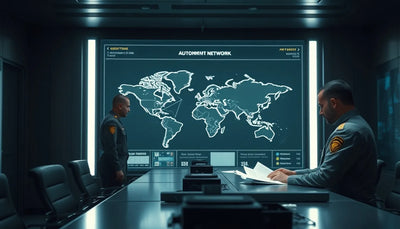
The report confirms that the Department of War has created a single office to oversee U.S. military unmanned systems. Prior to this, responsibility was spread across services and branches, leading to duplication, incompatible systems, and slower adoption. A central office is expected to streamline procurement, set common standards, and coordinate development across all branches.
Fleet readiness
Keep DJI hardware available without overbuying new units.
Use defense and fleet news as a planning signal for repair support, inspected pre-owned aircraft, and replacement timing.

Based on the source, we do not yet have details on funding levels, staffing, or specific programs. However, the creation of a unified command for drones is a clear signal that the military is moving toward a more systematic approach. For commercial operators, this often means that large-scale defense contracts will become more predictable—and that excess or retired military drone inventory may eventually flow into the civilian second-hand market. Past examples show that when the military consolidates drone oversight, it also tends to accelerate technology transfer to civilian applications.
One practical implication for fleet managers: keep an eye on the types of drones the military prioritizes. If the central office favors a particular platform or payload class, that could influence OEM production schedules and delay commercial deliveries. Having a backup plan—whether through pre-owned DJI drones or alternative suppliers—becomes a prudent strategy during such transitions.
What this means for drone buyers
For individual buyers and small fleet operators, a new military oversight office might seem remote, but its effects are often felt on the ground. When the defense sector centralizes drone management, three things typically happen: first, procurement volumes increase, which can tighten supply of popular commercial models if they share manufacturing lines with defense variants. Second, used military drones—often robust, well-maintained units—enter the civilian market through surplus channels. Third, component standardization increases, making spare parts more traceable but sometimes harder to source for older or non-standard platforms.
If you are planning to buy a drone in the next six months, consider that supply of new enterprise-class drones could become constrained if the military places large orders with the same OEMs. This is where the drone trade-in guide becomes a valuable resource. Trading in current equipment for an inspected pre-owned unit can lock in capability while demand on new inventory is high. The pre-owned DJI market offers access to matriarch models like the Matrice 300 RTK or Phantom 4 RTK that retain excellent payload compatibility and flight performance, often at a fraction of the cost of new units.
Additionally, the central office may publish standards for drone security, communications, and data handling that eventually influence commercial best practices. Early adopters of secure data protocols and tamper-resistant hardware will be better positioned if those standards become de facto requirements for government-contracted work. Even if you do not fly for the military, aligning with emerging defense standards can make your fleet more versatile and easier to sell later.
Implications for fleet operators and repair services
Fleet operators who rely on consistent repair timelines and genuine parts will need to watch how the central office interacts with OEM supply chains. When the military centralizes drone oversight, it often imposes stricter reporting requirements for repairs, logbooks, and component lifetimes. Those same requirements can trickle down to commercial service providers, particularly if they repair drones that share parts with military platforms.
For repair customers, this means that using professional DJI repair services with genuine OEM spare parts becomes even more important. Non-genuine parts may not meet the traceability standards that could eventually be required for drones operating in certain airspace or near sensitive infrastructure. Moreover, as the military standardizes its fleet, manufacturers may phase out older component variants more quickly, making it harder to repair legacy drones. Having a relationship with a repair shop that sources OEM-pulled parts from inspected pre-owned units can extend the life of your fleet without compromising on quality.
Another consideration: if the central office mandates certain cybersecurity or telemetry protocols, firmware updates from OEMs may prioritize those requirements over commercial feature improvements. Fleet operators should plan for firmware pauses or compatibility breaks, and have a clear policy for when to update versus when to stay on a stable release. Documented maintenance records and firmware version logs will become more valuable as regulatory scrutiny grows.
Navigating the evolving landscape
The creation of a central office for military unmanned systems is a clear indicator that drones are no longer an afterthought in defense planning. For the commercial sector, this development reinforces a trend we have observed over the past several years: the lines between military and civilian drone technology are blurring. Platforms designed for defense often find commercial success, and vice versa. The key for buyers and operators is to stay flexible.
One concrete step to take today is to review your fleet composition. If you own drones that are near end-of-life or that use proprietary parts with limited aftermarket support, consider transitioning to platforms that have a strong second-hand and parts ecosystem. The pre-owned DJI market, for example, offers robust options like the Mavic 3 Enterprise series and Matrice 30 series, which benefit from widespread availability of genuine spare parts and professional repair networks.
Additionally, remain aware of any policy changes that may follow the central office's establishment. As the Department of War standardizes its drone operations, it may push for updates to airspace regulations, data privacy laws, or export controls. These could affect cross-border drone sales, remote ID requirements, and even the resale value of certain models. Staying informed through reliable industry sources and engaging with trade associations can help you anticipate changes rather than react to them.
Finally, consider the timing of your next purchase. If your current fleet is sufficient, delaying a major capital expense until the new office's procurement patterns become clear may be wise. On the other hand, if you need to add capacity or replace aging units, the current availability of inspected pre-owned drones makes this a favorable time to expand without overpaying for new hardware.
How will this central office affect the commercial drone market?
In the near term, the commercial market may see supply constraints on certain new models if the military places large orders. Over the medium term, surplus military drones could enter the second-hand market, potentially lowering prices for used enterprise platforms. The central office may also set standards that influence commercial best practices for security and repair traceability.
Should I delay purchasing a new drone because of this news?
Not necessarily. If your business needs immediate capability, the pre-owned market offers reliable options with immediate availability. However, if you can wait 6-12 months, you may benefit from clearer supply trends and potentially lower prices as military surplus units appear. Evaluate your operational urgency and budget before deciding.
What should fleet managers do to prepare for potential changes?
Document your fleet's maintenance and firmware history thoroughly, build relationships with service providers that use genuine OEM parts, and consider diversifying your drone sources to include inspected pre-owned units. Keeping a flexible fleet composition will help you adapt if new standards or supply constraints emerge.
Fonti consultate
- Google News - primary source
Al momento della pubblicazione non era disponibile ulteriore documentazione ufficiale.
Reboot Hub Editorial fornisce analisi sugli acquisti, le riparazioni, la rivendita e l'operatività per i proprietari di droni. In caso di errori, contattateci per una revisione della correzione in conformità con la nostra politica editoriale.