Bay Area Standards List Adds Drone Fire Inspection Guidelines
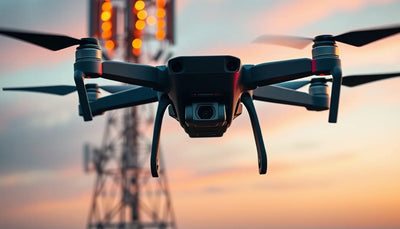
A new unmanned aircraft guideline for building fire inspection and reconnaissance has been formally included in the Bay Area Standards list. The development signals growing regulatory recognition for drone-based fire assessment workflows across the Greater Bay Area and may shape procurement and operational expectations for commercial inspection teams.

Quick answer
A guideline for building fire inspection and reconnaissance using unmanned aircraft has been officially included in the Bay Area Standards list, with Vertical and Horizontal Co., Ltd. participating in its compilation.
- The guideline covers unmanned aircraft applications for building fire inspection and reconnaissance
- Vertical and Horizontal Co., Ltd. participated in drafting the document
- The guideline is now part of the official Bay Area Standards list
- The development was reported by Sohu in China
The Greater Bay Area has taken a formal step toward standardizing how unmanned aircraft are used for building fire inspection and reconnaissance. According to a report published by Sohu, Vertical and Horizontal Co., Ltd. participated in compiling the "Guidelines for Building Fire Inspection and Reconnaissance Applications of Unmanned Aircraft," and the document has now been officially included in the Bay Area Standards list.
Operator checklist
Turn policy news into a safer fleet decision.
Before changing aircraft, compare repair paths, available DJI inventory, and trade-in timing against the rule change.

The inclusion marks a regulatory milestone for a region that has become a focal point for commercial drone activity, infrastructure development, and cross-border technology coordination. For operators who fly inspection missions around high-rise buildings, industrial facilities, or dense urban corridors, the standardization of fire inspection workflows carries practical weight. It suggests that authorities are moving from ad hoc acceptance of drone-based fire assessment toward codified expectations for how those missions should be planned, executed, and documented.
What the Bay Area Standards inclusion signals
The Bay Area Standards list functions as a formal registry of technical and operational standards recognized across the Greater Bay Area, which includes major urban centers in southern China. When a guideline enters this list, it gains a level of institutional visibility that can influence procurement decisions, training programs, and compliance frameworks for public and private organizations alike.
The Sohu report identifies Vertical and Horizontal Co., Ltd. as a participant in compiling the fire inspection and reconnaissance guideline. The company's involvement points to a broader pattern in the commercial drone sector: hardware and service providers are increasingly contributing to the operational standards that will eventually govern their own market. For drone buyers and fleet managers, this means the equipment and workflows being sold today may soon need to align with formally recognized inspection protocols.
Reboot Hub analysis: the practical effect of a standards-list inclusion is rarely immediate, but it tends to accumulate. Once a guideline is formalized, insurance providers, municipal fire bureaus, property developers, and enterprise clients may begin referencing it in tender documents, safety audits, and vendor qualification checklists. Operators who already document their inspection missions in a structured, repeatable way will likely find the transition easier than those who rely on informal flight practices.
Why building fire inspection is a distinct operational category
Building fire inspection and reconnaissance is not the same as general aerial photography or routine facade mapping. It involves assessing structural conditions after a fire event, identifying heat retention zones, checking for hidden spread pathways, and supporting fire services with real-time visual intelligence. These missions often occur in degraded visibility, around damaged structures, and under time pressure.
The new guideline's inclusion in the Bay Area Standards list suggests that regulators and industry participants recognize these conditions require dedicated operational guidance. The Sohu report does not detail specific flight parameters, sensor requirements, or pilot certification thresholds, so Reboot Hub will not speculate on those elements. What is clear is that the guideline exists, it has formal standing, and it was developed with input from a commercial drone company.
For commercial operators, the takeaway is that fire inspection is becoming a distinct service category with its own emerging standards. Companies that position their fleets, sensor payloads, and pilot training around this specialization may find themselves better aligned with future tender requirements in the Greater Bay Area and potentially in other regions that adopt similar frameworks.
What this means for drone owners and the market
Drone owners and fleet operators should read this development as an early indicator of where compliance expectations are heading. When a region as commercially significant as the Greater Bay Area formalizes fire inspection guidance, it creates a reference point that other jurisdictions may study or adapt. Buyers who are evaluating inspection drones today should consider whether their preferred platforms can support the mission profiles that fire assessment demands: stable hovering near structures, payload flexibility for thermal or zoom sensors, and reliable data capture under challenging conditions.
The pre-owned DJI market may also feel a secondary effect. As inspection standards become more explicit, some operators will upgrade their fleets to ensure compatibility with documented workflows, while others will look for cost-effective ways to add capable airframes without overextending their budgets. For those exploring inspected pre-owned options or professional DJI repair to keep existing units mission-ready, the Drone Wiki offers reference material that can help clarify platform capabilities and maintenance considerations. For owners evaluating service and lifecycle risk, Drone Wiki explains the relevant repair, parts, resale, or operational path.
Fleet managers should avoid overreacting to a single standards-list inclusion. The guideline does not, based on the available reporting, impose immediate obligations on private operators outside the formal Bay Area standards framework. But it does provide a useful planning signal. Teams that serve commercial real estate, industrial parks, logistics hubs, or municipal clients may want to review their current fire inspection documentation practices and ask whether they could meet a more structured standard if one were adopted locally.
The commercial and regulatory trajectory
The participation of a commercial drone company in drafting a fire inspection guideline reflects a maturing relationship between industry and regulators. Rather than waiting for rules to be imposed from above, companies are helping shape the operational definitions that will govern their sector. This is common in aviation, maritime, and industrial safety fields, and its appearance in the commercial drone space is a sign of institutional growth.
The Sohu report frames the development as a finance and industry story, which is appropriate. Standards influence market access, and market access influences revenue. A drone services company that can demonstrate alignment with recognized fire inspection guidelines may have an advantage when bidding for public contracts or private infrastructure work. Conversely, operators who ignore emerging standards risk being filtered out of procurement processes before they ever submit a bid.
Reboot Hub analysis: the most likely near-term impact is on documentation and training. Organizations that want to remain competitive in the Greater Bay Area inspection market should consider how they record flight plans, sensor outputs, and post-mission reports. A formal guideline, even without detailed public parameters, raises the bar for what counts as a defensible inspection record.
FAQ
Frequently asked questions
What exactly was included in the Bay Area Standards list?
According to the Sohu report, the "Guidelines for Building Fire Inspection and Reconnaissance Applications of Unmanned Aircraft" was officially included in the Bay Area Standards list. Vertical and Horizontal Co., Ltd. participated in compiling the guideline.
Does this create immediate compliance obligations for drone operators?
The available reporting does not indicate immediate obligations for private operators outside the formal Bay Area standards framework. However, the inclusion may influence future procurement requirements, insurance expectations, and tender documents in the region.
What should commercial inspection teams do after this development?
Inspection teams serving commercial or municipal clients should review their fire inspection documentation practices and consider whether their current flight planning, data capture, and reporting workflows could meet a more structured standard if one is adopted in their operating area.
Which sources support this update?
The article distinguishes reported information from analysis and does not present an unverified source as official confirmation.
What remains subject to change?
Retail pricing, availability, product bundles and regulatory timelines can change. Readers should verify the latest terms with the named retailer, manufacturer or regulator before acting.
How should buyers or operators use this analysis?
Use the verified facts as a starting point, then compare mission fit, lifecycle support, maintenance needs and current procurement terms before making a purchase or fleet decision.
Fonti consultate
- Source material - primary source
Al momento della pubblicazione non era disponibile ulteriore documentazione ufficiale.
Reboot Hub Editorial fornisce analisi sugli acquisti, le riparazioni, la rivendita e l'operatività per i proprietari di droni. In caso di errori, contattateci per una revisione della correzione in conformità con la nostra politica editoriale.