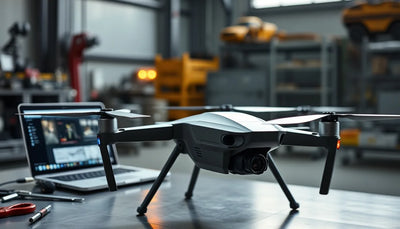
Ring Drone Cam Finally Ships January 27 Pending FCC Authorization
Ring's $249.99 Drone Cam is set to ship January 27, six years after the Always Home Cam reveal, pending FCC authorization under Covered List rules. The delay highlights how regulatory review shapes commercial drone hardware timelines and buyer expectations.

Quick answer
Ring's $249.99 Drone Cam is scheduled to ship January 27, six years after the Always Home Cam reveal, pending FCC authorization under Covered List rules.
- Shipping date set for January 27, pending FCC authorization
- Price confirmed at $249.99
- Announced six years after the original Always Home Cam reveal
- Regulatory review under FCC Covered List rules is the final gating step
Evidence: DroneXL.co
Operator checklist
Turn policy news into a safer fleet decision.
Before changing aircraft, compare repair paths, available DJI inventory, and trade-in timing against the rule change.

Verified facts
What the available evidence confirms
| Item | Detail |
|---|---|
| Product | Ring Drone Cam |
| Price | $249.99 |
| Shipping date | January 27 |
| Original reveal | Six years ago as Always Home Cam |
| Regulatory gate | FCC authorization under Covered List rules |
Ring's long-delayed indoor security drone now has a concrete shipping date. According to reporting from DroneXL.co, the $249.99 Drone Cam is scheduled to ship on January 27, pending FCC authorization under the agency's Covered List rules. The announcement lands roughly six years after the product first appeared publicly as the Always Home Cam concept, a timeline that underscores how regulatory review can stretch even well-funded consumer hardware programs.
For commercial drone operators, fleet buyers, and repair customers, the Ring development is not just a consumer gadget story. It is a reminder that FCC authorization remains a hard gate for any connected aerial platform sold in the US market, and that regulatory timelines can shift launch dates even when the hardware itself is ready. DroneXL.co reports that the final shipping window now depends on clearing the FCC's Covered List review process, which evaluates equipment against national security and supply chain restrictions.
What the FCC Covered List gate actually means
The FCC Covered List rules require equipment authorization applicants to demonstrate that their devices do not contain components or technology from entities identified as national security risks. For a connected indoor drone that streams video and relies on wireless communication, that review touches the core of the product. DroneXL.co frames the pending FCC authorization as the remaining condition before the January 27 ship date can be executed.
For commercial buyers, this is a useful case study in launch risk. A product can be announced, priced, and marketed while still carrying unresolved regulatory exposure. Fleet managers evaluating new hardware should treat "pending FCC authorization" as a material condition rather than a formality, especially when procurement timelines depend on firm delivery dates. The Ring timeline, spanning six years from concept to ship date, shows how long regulatory and engineering cycles can run in parallel.
What this means for drone owners and the market
The Ring Drone Cam occupies a different category from outdoor commercial UAVs, but the regulatory logic is shared. Any connected drone platform sold in the US must clear FCC equipment authorization, and products that rely on imported components face additional scrutiny under Covered List rules. For operators who already own DJI hardware, the Ring story reinforces why US-market certification and supply chain compliance have become central concerns across the entire drone industry, not just for enterprise or defense platforms.
Buyers in the pre-owned DJI market should pay attention to how regulatory pressure shapes hardware availability. When new connected drone products face longer authorization windows, existing certified platforms often hold value longer because replacement options arrive more slowly. Fleet managers and repair customers evaluating pre-owned DJI drones or genuine OEM spare parts can use resources like the Drone Wiki to understand how certification, repair, and resale considerations interact as the market absorbs regulatory delays. For owners evaluating service and lifecycle risk, Drone Wiki explains the relevant repair, parts, resale, or operational path.
The practical takeaway for any drone buyer or operator is to build regulatory buffer into procurement planning. If a vendor says a product is "shipping soon" but still lists FCC authorization as pending, treat the date as provisional. For repair customers, the Ring case also highlights why maintaining existing hardware through professional DJI repair and OEM-pulled parts remains a rational strategy when new product timelines are uncertain.
Why the six-year delay matters commercially
The gap between the Always Home Cam reveal and the January 27 ship date is striking. DroneXL.co notes the product was first shown six years ago, meaning Ring spent years navigating development, positioning, and regulatory preparation before arriving at a firm shipping window. For commercial observers, that timeline suggests the indoor security drone category has been slower to mature than early concept demonstrations implied.
For the broader drone market, long development cycles create a specific commercial dynamic. Operators who need reliable aerial platforms today cannot wait for products that may take years to clear regulatory hurdles. That dynamic supports continued demand for proven, already-certified hardware, including inspected pre-owned DJI drones that are available immediately rather than pending future authorization. It also supports a healthy repair ecosystem, since keeping existing fleets operational becomes more attractive when new alternatives are delayed.
Regulatory precedent for future connected drones
Reboot Hub analysis: Ring's experience is likely to be referenced by other hardware makers facing FCC authorization. The Covered List review is not unique to Ring; it applies across connected device categories, including drones that use wireless modules, cameras, and cloud connectivity. DroneXL.co's reporting positions the pending FCC authorization as the final hurdle, which suggests the company has already cleared other development and compliance milestones.
For commercial operators, the lesson is to monitor regulatory signals as closely as product announcements. A shipping date tied to FCC authorization is only as firm as the agency's review schedule. Buyers planning fleet expansion, repair customers deciding whether to invest in existing platforms, and resellers pricing pre-owned inventory should all treat regulatory status as a core data point. The Ring Drone Cam finally has a date, but the story is really about how regulation now sets the pace for connected drone hardware in the US market.
FAQ
Frequently asked questions
What is the Ring Drone Cam shipping date?
According to DroneXL.co, the Ring Drone Cam is scheduled to ship on January 27, pending FCC authorization under Covered List rules.
Why is FCC authorization required for the Ring Drone Cam?
The FCC reviews connected devices under Covered List rules to ensure they do not contain components or technology from entities identified as national security risks. This authorization is the remaining condition before shipping.
How does the Ring Drone Cam delay affect commercial drone buyers?
The six-year gap between reveal and ship date shows how regulatory review can stretch hardware timelines. Commercial buyers should treat pending FCC authorization as a material risk and build buffer into procurement planning.
Which sources support this update?
The visible evidence links identify DroneXL.co; each source is used only for the claim it directly supports.
What remains subject to change?
Retail pricing, availability, product bundles and regulatory timelines can change. Readers should verify the latest terms with the named retailer, manufacturer or regulator before acting.
How should buyers or operators use this analysis?
Use the verified facts as a starting point, then compare mission fit, lifecycle support, maintenance needs and current procurement terms before making a purchase or fleet decision.
Konzultált források
- DroneXL.co - primary source
A közzététel időpontjában további hivatalos dokumentáció nem állt rendelkezésre.
A Reboot Hub szerkesztősége vásárlási, javítási, viszonteladási és üzemeltetési elemzéseket nyújt dróntulajdonosok számára. Ha hibát észlel, kérjük, jelezze nekünk a szerkesztői irányelvünknek megfelelően a javítás érdekében.