DJI’s Creator Ecosystem: Drones, Cameras, and Mics Working Together
A new report examines how DJI’s drone, camera, and microphone range functions as a unified creator setup. The shift toward ecosystem buying carries practical implications for drone buyers, fleet managers, and the pre-owned DJI market.

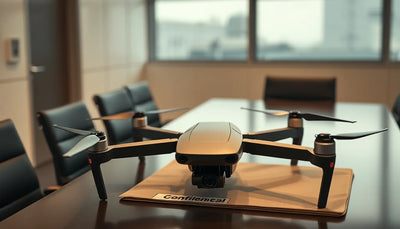
An article published by The Source Magazine highlights how DJI’s expanding product range—spanning drones, cameras, and wireless microphones—can function as a unified creator setup. The report positions DJI not simply as a drone manufacturer but as an ecosystem provider, where each device is designed to work seamlessly with others in the lineup. For drone buyers, fleet operators, and those active in the pre-owned DJI market, this shift toward ecosystem integration carries practical consequences that extend beyond the original purchase.
The article underscores that DJI now offers a complete workflow: a drone for aerial capture, a compact camera for ground-level footage, and a wireless microphone for clear audio. Instead of mixing brands across gear categories, creators can stay within a single device ecosystem, potentially reducing compatibility issues and streamlining file management. While the report does not disclose specific models or technical specifications, it clearly suggests that DJI views its hardware as interconnected tools rather than standalone products.
Ecosystem integration and the creator workflow

According to the analysis in The Source Magazine, the primary value of DJI’s ecosystem lies in reducing friction during production. When a drone, camera, and microphone share the same brand and often the same app or control interface, creators spend less time troubleshooting connections and more time capturing content. The article points to the convenience of transferring files between devices, synchronizing settings, and maintaining consistent color profiles—all benefits that emerge from a coordinated hardware family.
DJI buying context
Match product news to hardware you can actually deploy.
Check inspected DJI aircraft, repair support, and trade-in timing before deciding whether to upgrade, repair, or wait.
For commercial operators who produce video content—such as real estate agents, event cinematographers, and inspection teams—this ecosystem approach means that investing in a DJI drone can logically extend to DJI ground cameras and audio gear. One practical implication is that a fleet manager evaluating new equipment should consider not only the drone’s flight performance but also how it will interoperate with future camera and microphone purchases. Buying all from the same ecosystem may reduce the need for third-party adapters and custom workflows, saving both time and money over the life of the equipment.
On the pre-owned market, ecosystem integration can influence resale value. A used DJI drone that is part of a broader creator setup may be more attractive to buyers who already own DJI cameras or microphones, or who plan to acquire them later. Conversely, operators who switch to a competing brand for their ground gear may find their DJI drone less convenient to use, potentially lowering demand for that drone in the secondary market. This dynamic means that the pre-owned DJI market is not just about the drone itself but about the overall brand ecosystem the buyer is committed to.
What this means for drone buyers

For anyone considering a drone purchase—whether new or pre-owned DJI drone—the ecosystem angle adds a layer of strategic thinking. The article from The Source Magazine suggests that DJI is consciously building a walled garden of hardware designed to work together. While that can improve the user experience for those fully invested in DJI, it may also create lock-in effects. A buyer who picks up a used DJI drone today might feel compelled to stay with DJI for future camera and audio purchases to maintain the seamless workflow described in the report.
Fleet operators with multiple pilots should evaluate whether standardizing on DJI across all capture devices yields operational efficiencies. The report implies that managing one brand’s ecosystem is simpler than juggling two or three. That simplicity can translate into lower training costs, fewer support calls, and more consistent output quality. However, it also means that if a particular DJI product line disappoints, switching out becomes more complex because multiple devices are intertwined.
For individual creators buying second-hand, the ecosystem message is a reminder to look beyond the drone itself. A used DJI drone that pairs well with a used DJI camera and a used DJI microphone could be a complete studio at a fraction of the new price. However, buyers should verify that the specific models are compatible—compatibility details were not provided in the source article, so independent research is essential before committing to a multi-device purchase. The drone trade-in guide can help owners assess the value of their current gear when planning an upgrade within the DJI ecosystem.
Repair and spare parts in an integrated ecosystem

When devices are designed to work together, repair and spare parts logistics become more interconnected. The article’s focus on a complete creator setup implies that a failure in one component—say, the drone’s gimbal or the microphone’s receiver—could disrupt the entire workflow. For repair customers, this means that maintaining access to genuine OEM components is critical. Using non-original parts could compromise the seamless compatibility that the ecosystem relies on.
Professional repair services that specialize in DJI equipment, such as professional DJI repair services, are likely to see increased demand as fleets expand to include multiple device types. A camera that stops connecting to the drone’s remote controller, for instance, may require a repair that addresses both hardware and firmware levels. The source article does not detail certification or warranty policies, but operators should prioritize repair shops that use OEM-pulled parts and have experience across the DJI product range, not just drones.
For those selling pre-owned gear, the ecosystem emphasis can guide decisions about which items to repair before listing. A fully functional drone-camera-mic kit in good condition may command a premium on the second-hand market compared to a drone sold alone. Sellers who invest in professional repair to ensure all devices are in factory-spec condition can potentially see a higher return.
Commercial value and market trends

The source report from The Source Magazine reflects a broader market trend: hardware companies are increasingly positioning themselves as ecosystem providers rather than component sellers. For DJI, this strategy deepens customer loyalty and creates recurring revenue opportunities through accessories, software, and replacement parts. On the pre-owned DJI market, this trend means that the desirability of used equipment is partly tied to its ecosystem relevance. A two-year-old DJI drone that is still compatible with current DJI cameras and mics will hold its value better than one that has been orphaned by ecosystem changes.
Fleet managers evaluating budget allocations should factor in not just the upfront cost of a used drone but also the long-term cost of maintaining compatibility with other DJI gear. If the ecosystem continues to expand, older devices that fall out of compatibility may become harder to sell or use effectively. The article’s emphasis on a full creator setup suggests that DJI sees the camera and mic lines as core, not peripheral, so future product releases are likely to reinforce—rather than break—ecosystem ties.
For the second-hand market, this represents both opportunity and risk. Buyers can assemble powerful creative kits by purchasing pre-owned DJI drones and pairing them with used DJI cameras and mics, often at significant savings. However, they must stay informed about which product generations work together. The source article does not provide a compatibility matrix, so diligent research via DJI’s official support pages and community forums is recommended before making multi-device buys.
How do I know if a specific DJI drone, camera, and microphone are compatible?
The source article does not list specific models or compatibility details. Buyers should check DJI’s official product pages or user manuals for each device to confirm cross-compatibility, particularly regarding wireless connections, app support, and file transfer protocols.
Does buying a pre-owned DJI drone still allow me to use the full ecosystem of newer cameras and mics?
Not necessarily. Older drone models may not support newer DJI cameras or microphones due to differences in firmware or hardware connections. It is important to verify compatibility before purchasing a used drone with the intention of expanding into the broader DJI ecosystem.
Should I repair a damaged DJI camera or microphone before selling it with a drone kit?
If you plan to sell a complete creator setup, repairing all components to full working order can increase the overall value. Professional repair using genuine OEM parts helps maintain the seamless integration that the ecosystem promises, making the kit more attractive to buyers on the pre-owned market.