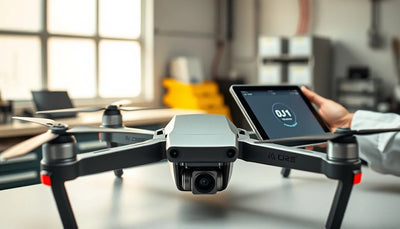
DJI Neo and Neo 2 receive new firmware via DJI Fly app
DJI has pushed new firmware to the Neo and Neo 2 camera drones through the DJI Fly app. DroneDJ reports the update gives owners another reason to check their devices, with implications for flight stability, maintenance planning, and pre-owned market confidence.

Quick answer
DJI has released new firmware updates for the Neo and Neo 2 camera drones, delivered through the DJI Fly app, according to DroneDJ.
- Owners of DJI Neo and Neo 2 drones should open the DJI Fly app to check for the update.
- The update gives both palm-sized drones another firmware refresh cycle.
- DroneDJ is the primary reporting source for this development.
- Specific changelog details are not yet fully detailed in the source report.
Evidence: DroneDJ
DJI buying context
Match product news to hardware you can actually deploy.
Check inspected DJI aircraft, repair support, and trade-in timing before deciding whether to upgrade, repair, or wait.

DJI has rolled out new firmware updates for its Neo and Neo 2 camera drones, according to a report published by DroneDJ on October 22, 2026. The update is delivered through the DJI Fly app, the standard companion application for DJI's consumer and prosumer drone lines, and gives owners of both palm-sized aircraft a fresh reason to connect their devices and check for pending downloads.
The announcement matters well beyond the routine chore of updating software. Firmware cycles are one of the clearest signals that a manufacturer is actively maintaining a product line. For commercial operators, repair customers, and buyers evaluating pre-owned DJI equipment, an active firmware cadence can influence confidence in long-term support, parts availability, and resale value. DroneDJ's report is the primary source for this development, and the available details remain limited.
What the source actually confirms
DroneDJ reports that DJI has issued new firmware for both the Neo and Neo 2 camera drones. The update is distributed through the DJI Fly app, which is the same ecosystem DJI uses for firmware, flight logs, and device management across several consumer drone models. The report frames the update as a prompt for owners to check their app, rather than a detailed changelog breakdown.
Importantly, the source does not yet provide a granular list of fixes, feature additions, or stability improvements. That absence of detail is itself a useful signal for operators. In many DJI firmware cycles, the company publishes release notes inside the app at the time of download, and third-party reporting often follows once users begin testing in the field. For now, the confirmed facts are narrow: both Neo models have received a firmware refresh, and the delivery channel is the DJI Fly app.
Reboot Hub analysis suggests that operators should treat this as an early-stage firmware notification rather than a fully documented update. Fleet managers who standardize on DJI hardware may want to stage the update on a single test unit before pushing it across a larger fleet, especially if flight-critical workflows depend on consistent behavior.
Why firmware cadence matters for commercial operators
Firmware updates are rarely neutral events in commercial drone operations. A new build can alter flight characteristics, battery management behavior, gimbal response, or transmission performance. Even when a manufacturer intends only minor improvements, operators often discover subtle changes during real-world missions. For that reason, disciplined fleet teams typically wait for community feedback before updating every aircraft.
The Neo and Neo 2 occupy a specific position in DJI's lineup as compact, palm-sized camera drones. They appeal to content creators, inspection teams needing a lightweight secondary aircraft, and operators who value portability. When DJI maintains firmware support for these models, it reinforces the idea that the product line remains commercially relevant. That has a direct effect on how the second-hand market prices these units.
In the pre-owned DJI market, active firmware support is one of the factors buyers consider alongside battery health, flight hours, and physical condition. A drone that still receives official updates is generally seen as a safer purchase than a model that has been quietly discontinued. For sellers, a recently updated Neo or Neo 2 can be presented as a maintained, current-generation device rather than aging inventory.
What this means for drone owners and the market
For individual owners, the immediate action is straightforward: open the DJI Fly app and check whether the update is available for your specific unit. DroneDJ's report indicates that both the Neo and Neo 2 are included in this firmware push, but availability can sometimes roll out in stages depending on region, app version, and device serial number. Owners should also ensure their app is updated before attempting to download new drone firmware.
For buyers evaluating a pre-owned DJI Neo or Neo 2, this firmware news is a modest but meaningful positive. It suggests that DJI is still investing in the software side of these models, which can extend their useful service life. Buyers should still verify battery cycle counts, inspect the gimbal and airframe, and confirm that the drone binds normally to the DJI Fly app before completing a purchase. When evaluating any used DJI aircraft, checking firmware compatibility and update history is a practical step that can reveal how well the previous owner maintained the unit. Readers researching specific Neo model details can consult the Wiki Dji Neo for model-specific context before making a purchase or repair decision. For owners evaluating service and lifecycle risk, Wiki DJI Neo explains the relevant repair, parts, resale, or operational path.
Repair customers may also find this update relevant. Firmware changes occasionally interact with hardware revisions, especially after a drone has been serviced with OEM-pulled parts. If a Neo or Neo 2 has undergone a repair involving a gimbal, camera module, or flight controller replacement, a new firmware build may require re-binding or recalibration. Technicians who handle DJI repairs should be aware that customer drones may arrive with partially applied updates or version mismatches after a firmware rollout.
What operators should do next
The most prudent near-term step for any Neo or Neo 2 owner is to check the DJI Fly app, note the current firmware version, and read any in-app release notes before installing. If the update is available, consider whether your current firmware is stable and whether you have a critical job scheduled in the next few days. Updating immediately before a paid mission is rarely wise unless the update addresses a known safety issue.
Fleet managers should log the firmware version across their Neo and Neo 2 units and track any post-update anomalies. A simple spreadsheet entry recording the date, version number, and observed behavior can help identify patterns if a later issue emerges. This kind of documentation also supports warranty claims and repair diagnostics if a problem is traced back to a specific firmware build.
For the broader DJI ecosystem, this update reinforces a pattern that commercial buyers have come to expect: DJI continues to support its compact camera drone lines with periodic software maintenance. While the specific contents of this Neo and Neo 2 firmware remain under-reported, the fact of the update itself is a data point for procurement teams evaluating whether to standardize on these models or wait for newer hardware.
FAQ
Frequently asked questions
What exactly did DJI change in the Neo and Neo 2 firmware?
DroneDJ has not yet published a detailed changelog for the new Neo and Neo 2 firmware. The confirmed facts are that DJI released the update and that it is delivered through the DJI Fly app. Owners should check the app for any release notes that accompany the download.
Should I update my DJI Neo or Neo 2 immediately?
If you have no critical flights scheduled and your current firmware is stable, updating promptly is reasonable. If you rely on the drone for paid work, consider waiting for community feedback or testing on a single unit before updating your entire fleet.
Does this firmware update affect the pre-owned DJI Neo market?
Active firmware support generally supports resale confidence. A DJI Neo or Neo 2 that still receives official updates may be viewed more favorably by buyers than a discontinued model. Sellers should keep their units updated and document the firmware version before listing.
Which sources support this update?
The visible evidence links identify DroneDJ; each source is used only for the claim it directly supports.
What remains subject to change?
Retail pricing, availability, product bundles and regulatory timelines can change. Readers should verify the latest terms with the named retailer, manufacturer or regulator before acting.
How should buyers or operators use this analysis?
Use the verified facts as a starting point, then compare mission fit, lifecycle support, maintenance needs and current procurement terms before making a purchase or fleet decision.
Konzultált források
- DroneDJ - primary source
A közzététel időpontjában további hivatalos dokumentáció nem állt rendelkezésre.
A Reboot Hub szerkesztősége vásárlási, javítási, viszonteladási és üzemeltetési elemzéseket nyújt dróntulajdonosok számára. Ha hibát észlel, kérjük, jelezze nekünk a szerkesztői irányelvünknek megfelelően a javítás érdekében.