DJI Neo 3 Camera Rumored to Outperform Neo 2 in Low Light
A new industry report suggests the upcoming DJI Neo 3 camera may deliver noticeably better low-light performance than the DJI Neo 2. For operators who fly at dusk or indoors, that shift could reshape upgrade timing and pre-owned Neo 2 pricing.

Quick answer
An industry report suggests the upgraded DJI Neo 3 camera may beat the DJI Neo 2 in low-light performance, though official specifications have not been released.
- The report attributes the improvement to an upgraded camera system on the rumored DJI Neo 3.
- Low-light gains matter most for dusk, indoor, and inspection-style flight environments.
- No official DJI confirmation or verified technical specifications were available at the time of reporting.
- The claim is source-limited and should be treated as a market signal rather than confirmed product data.
A new industry report circulating through DJI-focused news channels suggests that the rumored DJI Neo 3 may carry an upgraded camera system capable of outperforming the current DJI Neo 2 in low-light conditions. The report, published by Geeky Gadgets and surfaced through Google News DJI, is the latest signal that DJI is prioritizing imaging performance in its compact consumer drone line. For commercial operators, repair customers, and pre-owned DJI buyers, the claim is worth watching even before official specifications arrive.
DJI buying context
Match product news to hardware you can actually deploy.
Check inspected DJI aircraft, repair support, and trade-in timing before deciding whether to upgrade, repair, or wait.

The DJI Neo 2 currently occupies a specific position in the market: a compact, accessible platform that appeals to content creators, inspection pilots, and operators who need a small airframe without the cost or complexity of larger enterprise systems. If the Neo 3 delivers a meaningful low-light camera improvement, it would shift how buyers evaluate the Neo 2, both as a new purchase and as a pre-owned asset. Reboot Hub analysis suggests that camera generation gaps tend to drive resale value changes faster than airframe or battery refinements, because imaging output is the most visible performance metric for most commercial users.
What the report actually claims
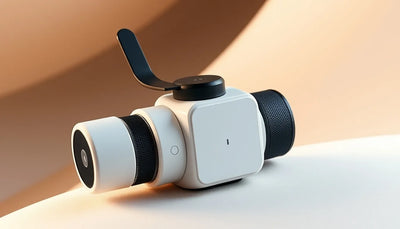
The central claim is narrow and specific: the upgraded DJI Neo 3 camera reportedly beats the DJI Neo 2 in low light. Geeky Gadgets, the named primary reporting source, frames this as a camera-level improvement rather than a full airframe redesign. No official DJI confirmation, sensor specification, aperture figure, or firmware detail was included in the source data. That absence matters. It means the report should be read as an early market indication, not as verified product documentation.
For operators who fly in challenging light, even a modest low-light gain can translate into real operational value. Dusk mapping, twilight inspections, indoor facility checks, and early-morning agricultural passes all push compact drone cameras beyond their comfort zone. If the Neo 3 reduces noise, improves shadow detail, or holds cleaner color at higher ISO settings, the practical benefit would be immediate for those use cases. However, because no verified spec context was available for this article, Reboot Hub is not treating the improvement as confirmed. The responsible position is to track the claim against future official releases.
What this means for drone buyers
The most immediate consequence is timing. Buyers who were planning to purchase a DJI Neo 2 in the coming months now face a familiar procurement question: buy the current model at today's pricing, or wait for a rumored successor that may deliver better imaging. The answer depends on mission profile. If most flights happen in daylight or well-lit environments, the Neo 2 remains a capable platform and the rumored low-light advantage may not justify a delay. If low-light work is a core part of the operation, waiting for confirmed Neo 3 specifications becomes more defensible.
For fleet operators, the report introduces a planning variable rather than an immediate action item. Mixed fleets that include compact DJI platforms should begin modeling how a Neo 3 transition might affect spare battery compatibility, repair workflows, and pilot training. Camera improvements rarely require retraining, but they can change output expectations from clients. A fleet that upgrades to a stronger low-light sensor may win contracts that previously required larger, more expensive airframes. That is a meaningful commercial consideration, even before official pricing or availability is known.
Pre-owned market dynamics are equally relevant. When a successor model is rumored to improve a headline feature, the outgoing model often sees gradual price softening. That creates opportunity for budget-conscious buyers who do not need the latest imaging performance. Operators evaluating a Pristine Pre Owned Dji Neo 2 should weigh the rumored Neo 3 camera gap against their actual flight conditions. A well-maintained Neo 2 purchased at a favorable pre-owned price may still deliver strong value for daylight operations, training, or backup duty, especially if the Neo 3 launch pushes used inventory pricing lower. For buyers comparing ownership options, Pristine Pre-Owned DJI Neo 2 provides a practical next step for model, condition, and replacement timing.
Repair and parts implications
Camera upgrades on a new model do not immediately change the repair landscape for the outgoing model, but they do shape long-term parts demand. The DJI Neo 2 will remain in service across thousands of consumer and light commercial fleets for years. As operators decide whether to upgrade or hold, repair volume for Neo 2 gimbal assemblies, camera modules, and related components will stay relevant. Pre-owned units that pass inspection and carry genuine OEM-pulled parts become more attractive to buyers who want a reliable second platform without paying new-model premiums.
Repair customers should also note that low-light performance is not purely a sensor question. Lens condition, gimbal calibration, and firmware health all influence final image quality. A Neo 2 that has been professionally inspected and maintained may outperform a neglected unit of the same model, even if the underlying sensor is identical. That is why inspection quality matters more than model year in the pre-owned market. The rumored Neo 3 does not erase the value of a properly serviced Neo 2; it simply resets the price ceiling for the older platform.
How operators should respond
The practical response is measured: treat the report as a signal, not a specification. Operators with imminent low-light project needs should evaluate whether the current Neo 2 meets client requirements today. If it does, there is no operational reason to stall. If it does not, the rumored Neo 3 becomes a reason to extend current equipment life for a few more months while watching for official DJI announcements. Either way, the decision should be driven by mission requirements, not by rumor momentum.
Fleet managers should also use this moment to audit how much of their imaging work actually depends on low-light performance. Many operations overestimate their need for the latest sensor. A clear audit of flight logs, time-of-day distribution, and client deliverables will show whether a Neo 3 upgrade would generate measurable return or simply add cost. Reboot Hub analysis consistently finds that imaging upgrades produce the strongest return when they unlock new revenue, such as after-hours inspection contracts, rather than when they merely refresh existing output quality.
Finally, buyers in the pre-owned DJI market should watch pricing behavior over the next several weeks. If the Neo 3 rumor gains traction, Neo 2 resale listings may adjust downward. That is a normal market response and creates a rational entry point for operators who do not need the latest camera. The key is to buy from channels that provide inspection transparency and genuine OEM parts support, because a low purchase price means little if the unit requires immediate repair.
FAQ
Frequently asked questions
Is the DJI Neo 3 low-light camera improvement confirmed?
No. The improvement is reported by Geeky Gadgets and has not been confirmed by DJI or supported by official technical specifications. It should be treated as an early market signal.
Should I wait for the DJI Neo 3 instead of buying a Neo 2?
Only if low-light imaging is central to your work. For daylight operations, training, or backup duty, the DJI Neo 2 remains a capable platform, especially when purchased as an inspected pre-owned unit at a favorable price.
Will the rumored Neo 3 affect pre-owned DJI Neo 2 prices?
It may. Successor-model rumors often soften resale pricing for the outgoing model, which can benefit buyers who do not need the newest camera but still want a reliable, professionally inspected platform.
Which sources support this update?
The article distinguishes reported information from analysis and does not present an unverified source as official confirmation.
What remains subject to change?
Retail pricing, availability, product bundles and regulatory timelines can change. Readers should verify the latest terms with the named retailer, manufacturer or regulator before acting.
How should buyers or operators use this analysis?
Use the verified facts as a starting point, then compare mission fit, lifecycle support, maintenance needs and current procurement terms before making a purchase or fleet decision.
Konzultált források
- Geeky Gadgets via Google News - primary source
A közzététel időpontjában további hivatalos dokumentáció nem állt rendelkezésre.
A Reboot Hub szerkesztősége vásárlási, javítási, viszonteladási és üzemeltetési elemzéseket nyújt dróntulajdonosok számára. Ha hibát észlel, kérjük, jelezze nekünk a szerkesztői irányelvünknek megfelelően a javítás érdekében.