Transport Canada’s Drone Remote ID Overhaul: What Operators Must Know
Transport Canada’s NPA 2026-005 proposes mandatory Remote ID, formalized Community-Based Organizations, and sweeping new airspace restriction powers. For commercial operators using DJI Matrice, Autel, or legacy platforms, compliance costs could spike. BVLOS waivers may become harder; older drones lacking Remote ID could be grounded. The second-hand market faces a value reckoning as non-compliant hardware is phased out. Urgent assessment required for fleet upgrades.

Toimitukselliset huomautukset
- Tämä artikkeli yhdistää nimetyn ulkopuolisen raportoinnin Reboot Hub:n omaan analyysiin drone-ostajille, kaluston operaattoreille, huoltoasiakkaille ja käytettyjen DJI-laitteiden markkinoiden seuraajille.
- Lähdefaktat on erotettu tulkinnasta. Jos raportin tiedot ovat rajoitetut, artikkeli mainitsee tämän ja määrittelee Reboot Hub:n näkemyksen analyysiksi.
- Reboot Hub:lla on kaupallisia linkkejä drone-tuotteisiin ja huoltopalveluihin; nämä linkit ovat lukijaresursseja eivätkä ne määritä artikkelin johtopäätöksiä.
In what is being described as the most significant rewrite of Canadian drone regulations since Part IX of the Canadian Aviation Regulations took effect in 2019, Transport Canada published Notice of Proposed Amendment (NPA) 2026-005 on June 8, 2026. The proposal, currently open for a 60-day public consultation, would mandate Remote ID for nearly all drone operations, create a formal Community-Based Organization (CBO) model with permanent flying site exemptions, and grant Transport Canada new airspace restriction powers that could effectively close large swaths of airspace to drones at a moment's notice.

For commercial drone operators, service providers, and second-hand market participants at Reboot Hub, this NPA represents both a compliance crisis and a strategic inflection point. The rule changes-if adopted as proposed-could reshape the entire Canadian drone ecosystem within 18 months, forcing fleet upgrades, altering insurance requirements, and potentially rendering thousands of older drones obsolete for commercial use. Below, we break down the three core pillars of the proposal and what they mean for your bottom line.
Pillar One: Mandatory Remote ID - The End of Anonymity in Canadian Skies
Transport Canada is proposing that all drones weighing more than 250 grams (or all drones operated under a Special Flight Operations Certificate) broadcast Remote ID signals in real time. The standard mirrors the FAA's Part 89 rule in the United States but includes a few distinct twists. Operators would need to equip their aircraft with a broadcast module that transmits the drone's location, altitude, velocity, and a unique operator ID-traceable to a registered pilot-over Wi-Fi or Bluetooth. For drones manufactured after the effective date, Remote ID must be built in. For legacy drones, aftermarket modules would be permitted, but only if they meet Canadian standards and receive approval from Transport Canada's Civil Aviation Directorate.
Operator checklist
Turn policy news into a safer fleet decision.
Before changing aircraft, compare repair paths, available DJI inventory, and trade-in timing against the rule change.
The compliance timeline is aggressive: proposed effective date is January 1, 2028, for all operations in controlled airspace and advanced operations (beyond visual line of sight, over people, etc.). Basic operations (visual line of sight under 400 ft in uncontrolled airspace) get until June 1, 2029. Operators failing to comply could face fines up to $5,000 for individuals and $25,000 for corporations, plus suspension of their pilot certificates. The message from Ottawa is clear: fly an unidentifiable drone in Canadian skies and you risk severe consequences.
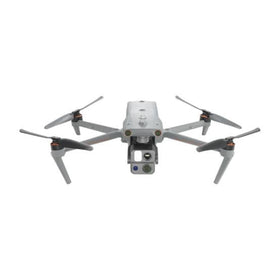
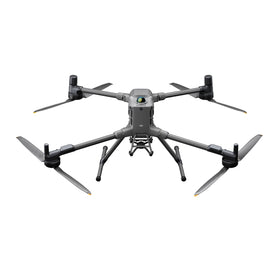
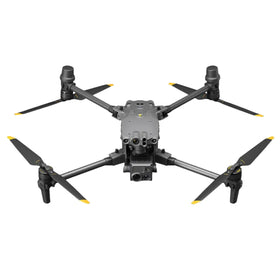
For commercial operators running fleets of DJI Matrice 300s, Autel EVO Max 4Ts, or even older Phantom 4s, the cost of retrofitting could range from $150 to $400 per drone for certified aftermarket modules-plus installation and testing. Given that many used drones on the secondary market lack Remote ID, the NPA creates a clear compliance cliff for buyers and sellers.
Pillar Two: Community-Based Organizations and Permanent Flying Sites
The second major plank is the creation of a formal CBO framework, similar to the FAA's model under the 2018 FAA Reauthorization Act. Transport Canada would recognize organizations like the Model Aeronautics Association of Canada (MAAC) and clubs affiliated with the FAI, allowing them to establish permanent flying sites exempt from certain Parts 901 to 905 rules-provided they implement strict safety protocols and maintain Remote ID compliance. These fixed sites would be pre-approved for recreational flights, but commercial operations at those venues would still require standard authorizations.
The exemption is significant for hobbyists and drone racing leagues, who have long argued that strict Part IX rules were designed for commercial drones and unnecessarily restrict recreational flying. However, the NPA also gives Transport Canada the power to revoke or modify CBO exemptions at any time based on safety concerns-leaving clubs vulnerable to sudden closure without appeal. For the used drone market, this means demand for older, lower-cost drones for club use could persist, but only if those drones can be retrofitted with Remote ID modules. Otherwise, even recreational flyers at club sites may be forced to upgrade.
Ready to Upgrade Your Fleet?
Browse our collection of inspected pre-owned DJI drones - inspected, flight-tested, and backed by a 6-month warranty. Save up to 40% versus retail.
Pillar Three: New Airspace Restriction Powers - A Wild Card for Operators
Perhaps the most concerning element for commercial operators is the proposed expansion of Transport Canada's airspace restriction authority. Under NPA 2026-005, the Minister of Transport would be empowered to declare temporary restricted airspace zones for special events, national security concerns, or environmental emergencies-without prior notice. Violating these temporary restrictions could result in criminal penalties, including imprisonment if the drone interferes with emergency operations. The Canadian Airspace Restriction System (CARS) would be digitized, allowing Transport Canada to impose geofencing that overrides drone autopilot systems in real time, similar to the Geo Zone system used by DJI but with legal force.
For surveying and inspection companies that operate BVLOS in remote areas, this creates new uncertainty. A temporary restriction could be placed on a 5-km radius around a wildfire, cutting off access to critical infrastructure routes. Companies planning long-term missions may need contingency plans and real-time airspace monitoring subscriptions. The proposal also states that operators found intentionally violating temporary restrictions could face suspension of their Special Flight Operations Certificate for up to five years-effectively killing a business.
What Does NPA 2026-005 Mean for Everyday Drone Pilots and the Second-Hand Market?
Let's cut through the regulatory jargon and get to the bottom line for three key groups: recreational pilots, commercial small businesses, and the used drone marketplace.
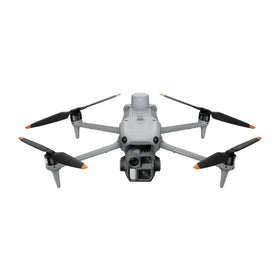
Recreational pilots: If you fly a sub-250g drone (like a DJI Mini 4 Pro) solely for fun, you are likely exempt from Remote ID under the current language-but only if your drone was manufactured without Remote ID capability and you stay under 250g. However, if you add any payload (e.g., an aftermarket beacon) that pushes you over 250g, you'd need a module. Many older recreational drones (e.g., Phantom 4, Mavic 2) lack native Remote ID and may need aftermarket modules costing $150-$300. The CBO exemption only applies at designated club sites, so flying anywhere else without Remote ID could invite fines.
Commercial operators: This is where the impact is sharpest. Every commercial drone used for inspection, mapping, or cinematography will require Remote ID unless operated in an isolated, sparsely populated area under a special exemption-which Transport Canada says it will rarely grant. For companies using a fleet of pre-owned DJI drones from Reboot Hub, the cost of upgrading to Remote ID-compliant hardware is a necessary capital expense. The good news: many of the used drone market models we offer, such as the DJI Matrice 350 RTK and Autel EVO Max 4T, are already Remote ID-ready out of the box. But older workhorses like the Matrice 200 v2 or Phantom 4 RTK will need retrofits-or replacement. That's where our professional DJI repair services come in: we can install certified aftermarket Remote ID modules and ensure your fleet complies before the 2028 deadline.
Second-hand market value: The NPA introduces a clear two-tier market. Drones with built-in Remote ID (mostly those manufactured after 2023) will retain strong resale value. Drones without it will see their value drop by an estimated 30-50% as commercial buyers balk at retrofit costs and uncertainty over module approvals. At Reboot Hub, we're already seeing increased inquiries for Remote ID-compliant used units, and we expect the spread to widen as the consultation period ends. If you are holding a non-compliant drone, now is the time to sell or trade up-before January 2028 turns your asset into a liability.
Strategic Recommendations for Drone Enterprises
Based on our analysis of NPA 2026-005, we advise drone operators to take the following steps in the next 90 days:
- Audit your fleet: Identify every drone in your inventory, note its Remote ID capability, and estimate retrofit costs.
- Participate in the consultation: Transport Canada is accepting comments until August 7, 2026. Stakeholders should submit feedback, especially on the proposed timeline and the scope of airspace restriction powers.
- Plan capital budgets: Assume that by 2028, every operational drone must broadcast Remote ID. Factor in retirement of non-compliant airframes.
- Consider pre-owned upgrades: Buying pre-owned DJI drones from Reboot Hub offers a cost-effective path to compliance, often with full warranty and pre-installed Remote ID modules.
Frequently Asked Questions
1. What is Remote ID and how does it affect my drone?
Remote ID is like a digital license plate that broadcasts your drone's identity and position in real time. If your drone weighs over 250 grams, you will likely need to equip it with a Remote ID module starting in 2028. Newer drones (after 2023) often have built-in Remote ID; older ones require a retrofit. For commercial use, non-compliance can lead to fines and grounding.
2. What are the new airspace restriction powers Transport Canada is proposing?
The NPA would allow the Minister of Transport to declare temporary restricted airspace zones for events, security, or emergencies without prior notice. Drones entering these zones could face criminal penalties, including fines and imprisonment. Operators must monitor real-time airspace updates and may need to adjust mission planning on short notice.
3. How can I prepare my fleet for NPA 2026-005?
Start by auditing your fleet for Remote ID capability. For drones that lack it, order aftermarket modules from authorized suppliers like Reboot Hub. Consider upgrading to Remote ID-compliant models. Participate in Transport Canada's consultation to shape the final rule. Finally, subscribe to a real-time airspace monitoring service to stay ahead of temporary restrictions.
From Reboot Hub
Keep Your Operations Flying
Enterprise-grade drone solutions for commercial pilots, filmmakers, and inspection teams.
Pre-owned Fleet
Fully inspected DJI drones with 6-month warranty. Save up to 40%.
Browse Inventory ->