Robotic Arms Are Transforming CNC Machining: What This Means for the Drone Industry
The integration of flexible robotic arms with CNC machines is revolutionizing drone manufacturing, slashing production costs and lead times for critical components like frames and gimbals. This analysis from Reboot Hub reveals how this automation trend is reshaping the supply chain, creating new opportunities for commercial drone operators to access higher-quality, lower-cost parts, and shifting the dynamics of the used drone market. For Part 107 pilots and enterprise fleets, this signals a future of more durable, precision-engineered airframes at competitive prices.

Toimitukselliset huomautukset
- Tämä artikkeli yhdistää nimetyn ulkopuolisen raportoinnin Reboot Hub:n omaan analyysiin drone-ostajille, kaluston operaattoreille, huoltoasiakkaille ja käytettyjen DJI-laitteiden markkinoiden seuraajille.
- Lähdefaktat on erotettu tulkinnasta. Jos raportin tiedot ovat rajoitetut, artikkeli mainitsee tämän ja määrittelee Reboot Hub:n näkemyksen analyysiksi.
- Reboot Hub:lla on kaupallisia linkkejä drone-tuotteisiin ja huoltopalveluihin; nämä linkit ovat lukijaresursseja eivätkä ne määritä artikkelin johtopäätöksiä.
In a development that signals a fundamental shift in precision manufacturing, leading industrial automation suppliers are now integrating highly flexible robotic arms with Computer Numerical Control (CNC) machines. While this news originates from the broader manufacturing sector, its implications for the commercial drone industry are profound and immediate. As of May 31, 2026, this convergence of robotics and machining is poised to redefine how critical drone components-from carbon fiber frames to precision gimbals-are produced, directly impacting operational costs, supply chain resilience, and the very value of drone hardware in the secondary market.
The traditional drone manufacturing landscape has been characterized by high barriers to entry. Producing a single, high-quality carbon fiber arm or a complex aluminum motor mount often required dedicated, expensive tooling and significant manual labor for part handling and machine tending. This resulted in high per-unit costs, long lead times, and a supply chain vulnerable to bottlenecks. The new wave of robotic CNC tending, however, is changing this calculus. By automating the loading and unloading of raw materials and finished parts, manufacturers can now run their CNC machines 24/7 with minimal human intervention, dramatically increasing throughput and consistency while reducing waste.
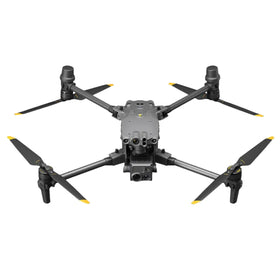
This is not merely an incremental improvement. It represents a leap in manufacturing flexibility. Previously, a CNC machine might be set up for weeks to produce a single part type. Now, with advanced software and adaptable robotic grippers, a single robotic arm can switch between producing a DJI M300 RTK landing gear component and a custom FPV frame in a matter of minutes. This agility is a game-changer for a drone industry that demands rapid iteration and customization.
Reader resources
Turn this drone news into a practical next step.
Compare inspected pre-owned DJI drones, repair options, and trade-in timing before the market moves again.
The Core Technology: How Flexible Robotic Tending Works
At the heart of this transformation is a new class of collaborative robots (cobots) and industrial arms equipped with advanced vision systems and force-sensing capabilities. Unlike older, rigid automation systems that required precise fixturing, these new robotic arms can "see" and "feel" the parts they are handling. When a CNC machine finishes a cycle, the robotic arm approaches, uses its integrated camera to locate the part, and then uses force feedback to gently extract it from the machine's chuck. It then places the finished piece on an output conveyor and picks a fresh blank from an input tray, loading it into the machine with sub-millimeter precision.
Major suppliers like FANUC, ABB, and KUKA, along with specialized integrators, have released new software suites that drastically simplify this process. These platforms allow a manufacturing engineer to program a new part run in hours rather than days, using drag-and-drop interfaces. For drone manufacturers, this means that prototyping a new frame design can now be done overnight, with the robotic arm tending the machine through a full production run of 50 or 100 units without any human oversight. The reduction in labor costs is significant, but the real value lies in the elimination of human error and the ability to maintain tight tolerances over long production runs.
For a commercial drone operator, this translates directly to hardware quality. A CNC-machined aluminum gimbal produced with robotic tending will have superior surface finish and tighter bearing fits than one produced with manual loading, where the risk of misalignment or damage is higher. This leads to smoother footage, less vibration, and longer operational life for the drone itself.
Direct Impact on Drone Component Manufacturing
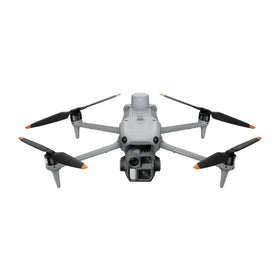
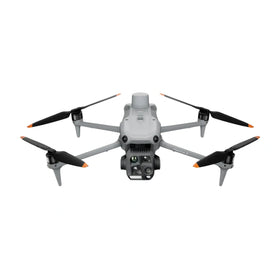
The most immediate beneficiaries of this trend are the manufacturers of high-volume, precision-critical drone parts. Consider the ubiquitous DJI Mavic 3 series. Its gimbal, camera housing, and folding arm mechanisms are all produced via CNC machining. As DJI and its Tier 1 suppliers adopt robotic CNC tending, the cost to produce these parts is expected to drop by 20-35% over the next 12-18 months. This cost saving, in a highly competitive market, is likely to be passed down to consumers or reinvested into higher-quality materials.
Furthermore, this technology empowers smaller, specialized drone manufacturers. A company producing heavy-lift industrial drones for agriculture or surveying can now afford to set up a flexible robotic cell. They can produce small batches of specialized parts-like a unique battery mount for a thermal sensor payload-without the prohibitive cost of hard tooling. This democratization of precision manufacturing is a powerful force, enabling more innovation and customization in the commercial drone sector.
The implications for the used drone market are equally significant. As new drones become cheaper to produce, the depreciation curve for existing models may steepen. However, this is counterbalanced by a potential increase in the longevity and repairability of newer drones. Parts produced with robotic precision are more consistent and durable, meaning a 2027 model drone may have a longer useful life than its 2024 counterpart. For buyers on the second-hand market, this creates a compelling value proposition: a newer, used drone with a more robust build quality at a lower price point.
Ready to Upgrade Your Fleet?
Browse our collection of inspected pre-owned DJI drones - inspected, flight-tested, and backed by a 6-month warranty. Save up to 40% versus retail.
What Does This Mean for Commercial Drone Pilots and Fleet Operators?
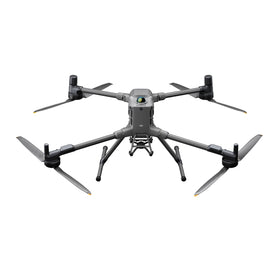
For the daily operator flying under FAA Part 107, this manufacturing revolution translates to tangible, bottom-line benefits. The most immediate impact will be on the cost and availability of replacement parts. A broken landing gear on a DJI Matrice 350 RTK can currently cost hundreds of dollars and take weeks to ship. With flexible robotic cells, suppliers can maintain smaller inventories and produce parts on demand, reducing both cost and lead time. This is critical for enterprise operations where drone downtime directly translates to lost revenue.
Moreover, the quality of aftermarket and third-party components is set to rise. The market for drone parts is vast, but it has been plagued by inconsistent quality from smaller fabricators. Robotic CNC tending imposes a standard of precision that was previously only available from major OEMs. A third-party carbon fiber propeller guard produced via this method will have the same fit and finish as an official DJI part, but at a fraction of the price. This empowers pilots to maintain and upgrade their aircraft more affordably.
For those in the precision agriculture, surveying, and inspection sectors, the implications are even more specific. The payloads used for LiDAR scanning, RTK positioning, and multispectral imaging require incredibly tight manufacturing tolerances. A gimbal that is even a fraction of a millimeter out of alignment can introduce errors in GSD (Ground Sample Distance) mapping and data stitching. The widespread adoption of robotic CNC tending for these components will lead to more reliable data collection, fewer failed missions, and higher confidence in survey results.
Finally, this trend is a powerful signal for the second-hand market. As the manufacturing process becomes more automated and consistent, the baseline quality of all drones improves. This makes the pre-owned DJI drones available at Reboot Hub an even more attractive investment. You are not just buying a used machine; you are buying into a manufacturing ecosystem that is producing more durable, more reliable hardware than ever before.
Strategic Implications for the Broader Drone Ecosystem
Beyond the immediate cost and quality benefits, the integration of robotic arms with CNC machines is reshaping the strategic landscape of the drone industry. It accelerates the trend toward onshoring and regional manufacturing. The high labor costs of traditional manufacturing in North America and Europe are partially offset by the efficiency of robotics. This means a drone company based in Texas or Germany can now competitively produce components locally, reducing reliance on complex global supply chains that are vulnerable to geopolitical disruption.
This is particularly relevant in the defense and public safety sectors. Agencies operating under strict security protocols often require parts to be manufactured within their country of origin. The ability to set up a flexible, robotic manufacturing cell for drone parts in a secure facility is a massive strategic advantage. It allows for rapid prototyping and production of mission-specific hardware without exporting sensitive designs or relying on foreign suppliers.
Furthermore, the data generated by these robotic cells is invaluable. Every cycle, every part, every tolerance is logged and analyzed. This data can be used for predictive maintenance of the manufacturing equipment itself and for continuous improvement of the drone component designs. For a manufacturer, this closes the loop between design and production, enabling a level of quality control that was previously unattainable. For the end-user, it means that the drone you buy in 2027 will have been produced with a level of consistency and traceability that was once reserved for aerospace and medical devices.
As the drone industry matures, the lines between hardware and software continue to blur. The robotic arm is not just a tool for making parts; it is a sensor node and a data source. This integration is a clear indicator that the entire drone supply chain is entering a new era of industrial efficiency. For the commercial pilot, the fleet manager, and the second-hand buyer, the message is clear: the hardware is getting better, cheaper, and more reliable. The time to invest in high-quality, professionally maintained equipment is now. Whether you are looking to upgrade your fleet or repair a workhorse aircraft, Reboot Hub's professional DJI repair services and certified inventory are perfectly positioned to help you capitalize on this new era of drone manufacturing excellence.
FAQ: Robotic CNC Tending and the Drone Market
Q: Will this manufacturing change make my current drone obsolete?
A: No. The primary impact is on new production. Your current drone will not become obsolete, but the availability and cost of replacement parts for newer models may improve. The used market for your current drone may see a slight price adjustment as new, cheaper alternatives enter the market.
Q: How does this affect the price of used DJI drones?
A: In the short to medium term, the price of used drones may stabilize or even decrease slightly as manufacturing costs drop. However, the improved build quality of newer models could also make them more desirable, potentially keeping prices for late-model used drones strong. This is a net positive for buyers in the second-hand market.
Q: Can I get my drone repaired with parts made using this robotic technology?
A: Yes. As third-party manufacturers and repair shops adopt this technology, the quality of aftermarket repair parts will rise significantly. At Reboot Hub, we ensure all repairs use the highest quality components, and we are closely monitoring this trend to offer our customers the best possible service and parts.
-
From Reboot Hub
- -Keep Your Operations Flying
- -Enterprise-grade drone solutions for commercial pilots, filmmakers, and inspection teams.
- -Pre-owned Fleet
- - - -Fully inspected DJI drones with 6-month warranty. Save up to 40%.
- - - - Browse Inventory -> - - -Expert Repair
- - - -Professional diagnostics with genuine OEM parts. Same-day estimates.
- - - - Book a Repair -> - - -Spare Parts
- - - -Batteries, propellers, gimbals -- premium OEM components, fast shipping.
- - - - Shop Parts -> - - -