FCC Clears 23 Drone Makers From Covered List Ban With US Factory Pledges
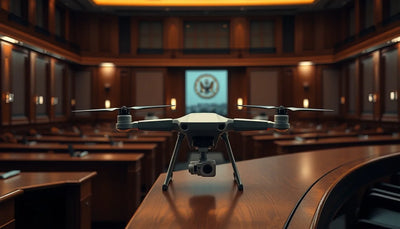
The FCC has conditionally cleared 23 drone makers from its Covered List restrictions, according to DroneXL.co. Each approval depends on a plan to build in the US, a shift that could reshape procurement, repair, and pre-owned market decisions for commercial operators.

Quick answer
The FCC has conditionally cleared 23 drone makers, part of 71 companies total, to sell gear that its Covered List bars, with each approval tied to a plan to build in the US, according to DroneXL.co.
- 71 companies received conditional clearance from the FCC Covered List restrictions
- 23 of those companies are drone makers
- Each approval hinges on a US factory or onshoring plan
- The development could shift procurement and repair options for commercial operators
Evidence: DroneXL.co
Operator checklist
Turn policy news into a safer fleet decision.
Before changing aircraft, compare repair paths, available DJI inventory, and trade-in timing against the rule change.

Verified facts
What the available evidence confirms
| Category | Count |
|---|---|
| Total companies cleared | 71 |
| Drone makers among cleared companies | 23 |
| Non-drone companies cleared | 48 |
The Federal Communications Commission has conditionally cleared 71 companies to sell equipment that its Covered List bars, and 23 of those companies are drone makers, according to reporting from DroneXL.co. The approvals are not blanket exemptions. Each one hinges on a plan to build in the United States, a condition that ties market access directly to onshoring commitments.
The Covered List has been a quiet but powerful filter in the commercial drone market. Equipment from listed companies faces restrictions that can complicate procurement, resale, and long-term fleet planning. A conditional path off that list matters because it signals which manufacturers may be able to re-enter or expand in the US market, and under what terms.
The FCC action and what the source reports
DroneXL.co reported on November 21, 2026, that the FCC has exempted 23 drone makers from its Covered List ban as part of a larger group of 71 companies. The central condition attached to each approval is a plan to build in the US. That is the operative detail for operators and buyers: the regulatory relief is not automatic or permanent, but contingent on manufacturing commitments that may take years to materialize.
Reboot Hub analysis: the structure of this action matters as much as the number. Conditional approvals create a two-speed market. Companies with credible US factory plans may gain commercial traction sooner, while those without such plans remain constrained. For fleet managers, that means vendor viability now includes a regulatory and manufacturing footprint question, not just product specifications or price.
The source did not name the specific 23 drone makers in the summary available for this report. That limits immediate procurement action, but it does not reduce the strategic signal. Operators should watch for follow-up filings and company statements that confirm which manufacturers are actually moving forward with US production.
Procurement and fleet planning implications
A conditional FCC clearance tied to US factory pledges could shift how enterprise and public-sector buyers evaluate drone vendors. Procurement teams that previously avoided Covered List equipment for compliance reasons may now have a defined path to consider those platforms, provided the manufacturer demonstrates progress on its onshoring plan.
The practical takeaway for a fleet manager is to treat vendor compliance status as a moving target. A manufacturer cleared today may still face operational limits if its US factory plan stalls. Buyers should ask for written confirmation of FCC status and the specific conditions attached before committing to multi-year fleet purchases or service contracts.
For operators running mixed fleets, this development may also affect spare parts planning. If a previously restricted manufacturer gains conditional clearance, its parts and service ecosystem could become more accessible in the US over time. That does not mean immediate availability, but it does change the direction of travel for repair and maintenance options.
What this means for drone owners and the market
The pre-owned drone market tends to react to regulatory shifts before new-unit sales do. When a major manufacturer faces Covered List restrictions, resale values for its platforms can soften because buyers worry about parts, service, and long-term compliance. A conditional path off that list could stabilize or improve resale demand for affected models, especially if the manufacturer follows through on US production.
For individual owners and small operators, the key question is whether this FCC action translates into better access to genuine OEM spare parts and professional repair support. Conditional clearance does not guarantee that outcome, but it removes a structural barrier that has made some platforms harder to service in the US. As the market adjusts, owners may find more viable options for maintaining existing aircraft rather than replacing them outright. Operators tracking pre-owned DJI drones and OEM-pulled parts can use resources like the Drone Wiki to stay current on how regulatory changes affect repair and resale decisions. For owners evaluating service and lifecycle risk, Drone Wiki explains the relevant repair, parts, resale, or operational path.
Reboot Hub analysis: the most likely near-term effect is a widening gap between manufacturers that can credibly commit to US production and those that cannot. That gap will show up in pricing, parts availability, and buyer confidence. Operators who plan around that divide will be better positioned than those who assume the Covered List is static.
What to watch next
The source report leaves several questions open. Which specific drone makers are among the 23? What timelines or milestones are attached to the US factory pledges? Will the FCC publish additional conditions or compliance reviews? These details will determine how quickly the market actually changes.
Operators should monitor FCC announcements and manufacturer statements for confirmation of which platforms are affected. Procurement teams should update vendor risk assessments to include conditional clearance status. Repair customers should watch whether parts availability improves for previously restricted brands. The signal is clear even if the full list is not yet public: US factory commitments are becoming a currency in drone market access.
FAQ
Frequently asked questions
What did the FCC announce about drone makers?
According to DroneXL.co, the FCC conditionally cleared 23 drone makers, part of 71 companies total, to sell gear that its Covered List bars. Each approval is tied to a plan to build in the US.
Does this mean the Covered List ban is permanently lifted?
No. The approvals are conditional on US factory plans. If a manufacturer does not follow through on its onshoring commitment, its market access could remain limited or be revisited.
How should drone buyers respond to this news?
Buyers and fleet managers should ask vendors for written confirmation of FCC status and the specific conditions attached. They should also monitor whether affected manufacturers actually move forward with US production before making long-term procurement decisions.
Which sources support this update?
The visible evidence links identify DroneXL.co; each source is used only for the claim it directly supports.
What remains subject to change?
Retail pricing, availability, product bundles and regulatory timelines can change. Readers should verify the latest terms with the named retailer, manufacturer or regulator before acting.
How should buyers or operators use this analysis?
Use the verified facts as a starting point, then compare mission fit, lifecycle support, maintenance needs and current procurement terms before making a purchase or fleet decision.
Käytetyt lähteet
- DroneXL.co - primary source
Julkaisuhetkellä muita virallisia asiakirjoja ei ollut saatavilla.
Reboot Hub Editorial tarjoaa drone-omistajille ostaja-, huolto-, jälleenmyynti- ja toiminta-analyyseja. Jos huomaat virheen, ota meihin yhteyttä korjauspyynnön tekemiseksi toimituksellisen linjamme mukaisesti.