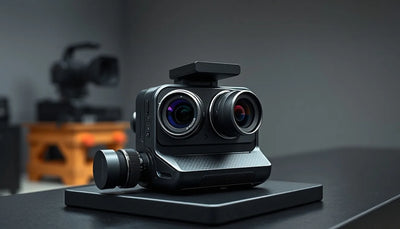
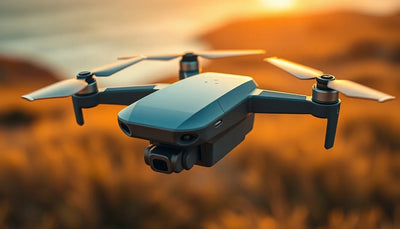
DJI Osmo Pocket 4 firmware update quietly expands camera capability
DJI has quietly released a firmware update for the Osmo Pocket 4 that gives owners new reasons to leave larger cameras at home, according to DroneDJ. The update matters for commercial operators who rely on compact imaging tools alongside their drone workflows.

Quick answer
DJI has quietly released a firmware update for the Osmo Pocket 4 that adds new camera capabilities, according to reporting by DroneDJ.
- The update was reported by DroneDJ on September 17, 2026.
- DJI has not publicly detailed the full scope of the firmware changes in the source report.
- The Osmo Pocket 4 is described as a highly capable pocket-sized camera.
- The update gives owners another reason to leave larger cameras at home.
- Commercial operators should monitor DJI release notes for compatibility and workflow details.
Evidence: DroneDJ
DJI buying context
Match product news to hardware you can actually deploy.
Check inspected DJI aircraft, repair support, and trade-in timing before deciding whether to upgrade, repair, or wait.

DJI has quietly issued a firmware update for the Osmo Pocket 4, adding new capabilities to a camera that was already positioned as a remarkably capable pocket-sized imaging tool. The development was reported by DroneDJ on September 17, 2026, and it signals that DJI continues to invest in the Osmo line even as larger drone platforms capture most of the industry's attention.
For commercial operators, the update is a reminder that DJI's product ecosystem extends well beyond aircraft. Ground-based imaging tools like the Osmo Pocket 4 often serve as companion devices on job sites, used for documenting inspections, capturing client-facing footage, or recording pre-flight and post-flight conditions. A firmware change that expands what the camera can do has practical implications for anyone building a mixed drone and camera workflow.
What DroneDJ reported about the update
According to DroneDJ, the Osmo Pocket 4 was already a "ridiculously capable camera for something you can slip into a pocket." The outlet reported that DJI has now "quietly handed owners another reason to leave their bigger camera at home." The phrasing suggests an incremental but meaningful improvement rather than a headline-grabbing hardware launch.
DJI's approach of silent or low-profile firmware releases is consistent with how the company has managed other products in its ecosystem. Rather than staging a launch event, DJI appears to have pushed the update through its standard channels, leaving owners and operators to discover the changes through release notes or community discussion. For fleet managers and solo operators alike, this pattern underscores the importance of checking DJI's official update logs regularly, because meaningful capability changes can arrive without fanfare.
Why compact imaging tools matter in commercial drone operations
The Osmo Pocket 4 occupies a specific niche in the commercial imaging stack. Drone operators frequently need ground-level footage to complement aerial captures, whether for property inspections, construction documentation, insurance claims, or marketing deliverables. A pocket-sized stabilized camera reduces the burden of carrying a full mirrorless or cinema rig to a job site, especially when the primary assignment is aerial.
Reboot Hub analysis suggests that firmware-driven capability expansions can also influence how operators think about their total equipment budget. When a compact ground camera gains features through software, it may delay or eliminate the need to purchase a larger, more expensive camera body for certain jobs. That dynamic is especially relevant for smaller operators who are already balancing drone maintenance, battery replacement, and insurance costs. The pre-owned DJI market tends to respond to these shifts as well, since owners who feel their current hardware is receiving meaningful updates may hold onto devices longer, tightening supply in the second-hand market.
What this means for drone owners and the market
For drone owners who also use Osmo devices, the practical takeaway is straightforward: check whether your Osmo Pocket 4 is running the latest firmware and review the release notes before your next job. A firmware update that expands camera functionality could change how you approach ground-level documentation, client deliverables, or even training footage without requiring any new hardware purchase.
The broader market signal is also worth noting. DJI's willingness to keep improving the Osmo Pocket 4 through software suggests that the company views the product as a durable platform rather than a short-cycle consumer gadget. For operators who buy DJI equipment with an eye toward resale value, that kind of ongoing support matters. Devices that receive regular firmware attention tend to hold their value better in the pre-owned market, because buyers perceive them as current and well-maintained. For those tracking pre-owned DJI equipment values or planning fleet refreshes, the Reboot Hub Drone Wiki offers reference material on how software support and hardware longevity interact across DJI's product lines.
Reboot Hub analysis: Repair and parts considerations also come into play. A camera that remains software-supported is more likely to justify OEM-pulled parts and professional repair work when something goes wrong, because the owner is not dealing with an abandoned platform. That is a meaningful distinction in a market where some imaging devices become effectively disposable once the manufacturer stops updating them. For owners evaluating service and lifecycle risk, Drone Wiki explains the relevant repair, parts, resale, or operational path.
What operators should watch next
The source report does not specify the exact features included in the firmware update, so operators should treat the development as a prompt to verify details through DJI's official channels. DroneDJ's framing indicates that the changes are user-facing and beneficial, but the absence of a detailed feature list in the source means that compatibility questions, workflow impacts, and any potential limitations remain open.
For commercial teams, the disciplined approach is to test any firmware update on a non-critical device or during a low-stakes assignment before rolling it into a paid workflow. Firmware changes can occasionally introduce unexpected behavior, and a camera that is used for client deliverables deserves the same cautious update protocol that a drone fleet receives. Operators who maintain multiple Osmo units should consider staggering updates so that one device remains on the previous firmware version until the new build has been validated in the field.
The Osmo Pocket 4 update also fits into a larger pattern of DJI using software to extend the useful life of its hardware. For buyers evaluating whether to purchase new or pre-owned DJI equipment, the presence of ongoing firmware support is a legitimate factor in the decision. A device that is still receiving meaningful updates is a safer long-term purchase than one that has been functionally static for a year or more.
FAQ
Frequently asked questions
What did DJI change in the Osmo Pocket 4 firmware update?
According to DroneDJ, DJI quietly released a firmware update that gives Osmo Pocket 4 owners new camera capabilities. The source report does not list the specific features, so operators should check DJI's official release notes for details.
Should commercial drone operators care about the Osmo Pocket 4 update?
Yes. Many drone operators use compact ground cameras like the Osmo Pocket 4 for site documentation, client deliverables, and inspection support. A firmware update that expands camera functionality can improve those workflows without requiring new hardware.
Does this update affect the pre-owned DJI market?
Potentially. Ongoing firmware support tends to help devices hold value in the pre-owned market, because buyers see them as current and well-maintained. Operators who receive meaningful software updates may also hold onto their devices longer, which can tighten second-hand supply.
Which sources support this update?
The visible evidence links identify DroneDJ; each source is used only for the claim it directly supports.
What remains subject to change?
Retail pricing, availability, product bundles and regulatory timelines can change. Readers should verify the latest terms with the named retailer, manufacturer or regulator before acting.
How should buyers or operators use this analysis?
Use the verified facts as a starting point, then compare mission fit, lifecycle support, maintenance needs and current procurement terms before making a purchase or fleet decision.
Käytetyt lähteet
- DroneDJ - primary source
Julkaisuhetkellä muita virallisia asiakirjoja ei ollut saatavilla.
Reboot Hub Editorial tarjoaa drone-omistajille ostaja-, huolto-, jälleenmyynti- ja toiminta-analyyseja. Jos huomaat virheen, ota meihin yhteyttä korjauspyynnön tekemiseksi toimituksellisen linjamme mukaisesti.