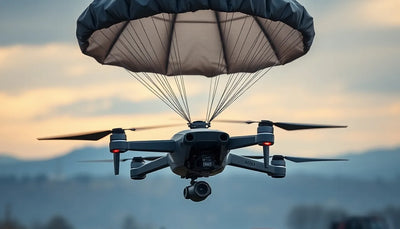
DJI Mavic Mini 3 Survives Unexpected Bee Swarm Encounter
A reported DJI Mavic Mini 3 encounter with a bee swarm has drawn attention from drone operators. The incident raises practical questions about propeller resilience, post-flight inspection habits, and how unexpected wildlife interactions affect pre-owned DJI drone value and repair planning.

Quick answer
A source-limited report describes a DJI Mavic Mini 3 surviving an unexpected encounter with a swarm of bees during flight.
- The central report comes from a Google News DJI source and lacks independent verification.
- No official DJI statement or technical failure data is included in the source.
- The incident is framed as a resilience and post-flight inspection discussion for drone operators.
- Reboot Hub analysis focuses on inspection, repair, and pre-owned DJI market implications.
A widely circulated video report describes a DJI Mavic Mini 3 flying through an unexpected swarm of bees and continuing to operate afterward. The account, surfaced through Google News DJI, is being treated here as a source-limited industry report rather than a manufacturer-confirmed event. No official DJI statement, flight log, or independent technical verification is available in the source data.
DJI buying context
Match product news to hardware you can actually deploy.
Check inspected DJI aircraft, repair support, and trade-in timing before deciding whether to upgrade, repair, or wait.

For commercial drone operators and second-hand market buyers, the incident is less about bees and more about what happens after an unusual mid-flight encounter. Small consumer drones routinely pass through dust, pollen, insects, and light debris. The practical question is whether operators treat those events as routine or as triggers for closer inspection.
What the source actually shows
The source report, attributed to a Google News DJI listing, describes a DJI Mavic Mini 3 surviving an encounter with a swarm of bees. The report does not include telemetry data, damage photographs, repair records, or a statement from DJI. Reboot Hub analysis therefore treats the resilience claim cautiously: the drone reportedly remained airborne and functional, but the source does not establish whether propellers, motors, or sensors sustained hidden wear.
This matters because visible survival is not the same as mechanical integrity. A drone can continue flying after striking insects while still accumulating residue on propeller edges, motor housings, or cooling vents. Without a post-flight inspection, that residue can harden, attract further debris, or subtly change propeller balance. Operators who fly in agricultural, park, or garden environments already know this pattern from pollen and dust buildup.
Inspection and repair implications for operators
The most useful takeaway from the reported bee swarm event is procedural. After any flight involving insect contact, operators should check propeller leading edges, motor bell housings, and air intake areas. Insect residue is often sticky at first and can bake onto surfaces after the motors cool. A dry cloth wipe immediately after landing is usually sufficient for surface debris, but propellers with visible nicks or imbalance should be replaced before the next flight.
For fleet managers, this kind of event reinforces why pre-flight and post-flight checklists should include environmental contact as a trigger condition. A drone that flew through a swarm, a dust cloud, or heavy pollen should not simply be returned to the case and scheduled for the next mission. The inspection step is cheap; the cost of a failed motor or cracked propeller in flight is not.
Repair customers should also note that small consumer drones like the Mavic Mini series are not typically designed with user-serviceable motor internals. When residue works its way into a motor bell or bearing area, professional cleaning or part replacement may be required. This is where genuine OEM spare parts and professional DJI repair services become relevant for owners who want to preserve flight reliability.
What this means for drone buyers
Pre-owned DJI drone buyers often evaluate a unit based on flight hours, cosmetic condition, and battery cycles. The bee swarm report adds a less obvious variable: environmental exposure history. A drone that has flown through insects, salt air, or agricultural spray may look clean on the outside while carrying residue inside motor housings or sensor cavities. Buyers should ask sellers about operating environments and any unusual encounters, not just total flight time.
For buyers considering a Pristine Pre Owned Dji Mavic Mini, the practical step is to inspect propeller edges and motor areas closely before purchase. Even a well-maintained unit can show subtle signs of past insect or debris contact. The reported Mavic Mini 3 incident does not suggest a systemic weakness in DJI hardware, but it does show that ordinary environmental factors deserve a place in pre-owned condition assessment. For buyers comparing ownership options, Pristine Pre-Owned DJI Mavic Mini provides a practical next step for model, condition, and replacement timing.
Resale value is also shaped by how honestly a seller documents environmental exposure. A drone with documented post-flight cleaning and inspection records will generally hold value better than one with unknown exposure history. For commercial operators rotating drones out of a fleet, adding a short environmental note to maintenance logs can make the resale process smoother and more credible.
Broader market and operational context
The source report does not indicate any recall, firmware change, or product advisory from DJI. It is best understood as an anecdotal resilience story that highlights a real operational consideration. The commercial drone market has matured enough that buyers and operators increasingly treat small incidents as data points rather than viral curiosities. A bee swarm encounter, a dust storm, or a light rain exposure all feed into how a specific airframe is maintained and valued.
Reboot Hub analysis suggests that the pre-owned DJI market benefits when operators document unusual events. A transparent maintenance history, even for minor environmental encounters, reduces buyer uncertainty and supports fair pricing. Conversely, drones with unknown exposure histories may face steeper discounting, especially in markets where buyers are becoming more sophisticated about inspection standards.
For the broader DJI product ecosystem, reports like this reinforce the durability expectations that many operators already hold. But durability should not become a reason to skip inspection. The Mavic Mini 3 report is useful precisely because it invites a calm, procedural response rather than a sensational one.
FAQ
Frequently asked questions
Should I be worried about bees damaging my DJI drone?
Based on the source report, the DJI Mavic Mini 3 continued operating after the encounter. However, insect residue can accumulate on propellers and motors, so a post-flight inspection is recommended even when the drone appears to fly normally.
What should I check after my drone hits insects or debris?
Inspect propeller leading edges for nicks or residue, wipe motor housings and vents, and listen for unusual motor noise on the next startup. If propellers show visible damage or imbalance, replace them before further flight.
Does an insect encounter affect pre-owned drone value?
It can, especially if the exposure history is undocumented. Buyers increasingly look for clean propeller edges and motor areas, and sellers who document environmental encounters and post-flight cleaning tend to preserve resale value more effectively.
Which sources support this update?
The article distinguishes reported information from analysis and does not present an unverified source as official confirmation.
What remains subject to change?
Retail pricing, availability, product bundles and regulatory timelines can change. Readers should verify the latest terms with the named retailer, manufacturer or regulator before acting.
How should buyers or operators use this analysis?
Use the verified facts as a starting point, then compare mission fit, lifecycle support, maintenance needs and current procurement terms before making a purchase or fleet decision.
Käytetyt lähteet
- YouTube via Google News - primary source
Julkaisuhetkellä muita virallisia asiakirjoja ei ollut saatavilla.
Reboot Hub Editorial tarjoaa drone-omistajille ostaja-, huolto-, jälleenmyynti- ja toiminta-analyyseja. Jos huomaat virheen, ota meihin yhteyttä korjauspyynnön tekemiseksi toimituksellisen linjamme mukaisesti.