Boston Police Drone Falls on Parked Mazda Six Days into DFR Pilot
A BRINC Responder flown by Boston police crashed onto a parked Mazda in Brighton on September 3, less than a week after the department launched its drone-as-first-responder pilot. The incident raises early questions about operational reliability and repair economics for municipal drone programs.

Quick answer
A BRINC Responder flown by Boston police crashed onto a parked Mazda in Brighton on September 3, 2026, six days after the department launched its drone-as-first-responder pilot.
- The crash occurred less than a week after BPD promoted the DFR program on safety grounds
- The drone involved was a BRINC Responder, a model designed for public safety operations
- DroneXL.co reported the incident on September 19, 2026
- No official agency confirmation of the crash details was included in the source report
Evidence: DroneXL.co · DJI ROMO official robot vacuum page · DJI Support ROMO beginner guide · FAA UAS official guidance
Fleet readiness
Keep DJI hardware available without overbuying new units.
Use defense and fleet news as a planning signal for repair support, inspected pre-owned aircraft, and replacement timing.

A Boston Police Department drone crashed onto a parked Mazda in the Brighton neighborhood on September 3, 2026, according to a report published by DroneXL.co on September 19. The incident occurred six days into the department's drone-as-first-responder, or DFR, pilot program, a timeline that raises early questions about operational reliability and the support infrastructure behind municipal drone deployments.
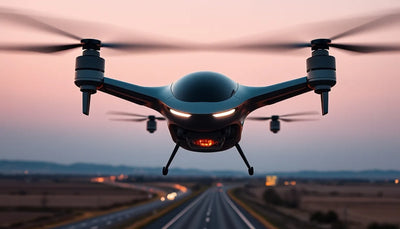
The aircraft involved was a BRINC Responder, a public safety drone platform marketed for emergency response and first-responder use. DroneXL.co reported that the drone fell onto the parked vehicle in Brighton, but the source did not include an official statement from the Boston Police Department confirming the cause of the crash, the extent of vehicle damage, or whether the drone remained operational after impact. Those details remain unverified as of this writing.
What the source actually reported
DroneXL.co, a drone industry news outlet, published the account on September 19, 2026, describing a BRINC Responder flown by Boston police that crashed into a parked Mazda in Brighton on September 3. The report noted that the incident happened less than a week after the Boston Police Department had publicly framed the DFR program as a safety initiative. The source did not provide a formal police incident report, FAA filing, or manufacturer statement.
For commercial operators and fleet managers, the absence of confirmed cause is itself a useful data point. Early pilot programs often generate incident reports that take weeks to surface through official channels, and the gap between the crash date and the publication date suggests that public visibility into municipal drone incidents may lag operational reality. Buyers evaluating public safety platforms should treat early pilot performance data as provisional until official post-incident reviews are released.
Why early DFR crashes matter for fleet planning
Drone-as-first-responder programs are expanding across U.S. municipalities, with agencies deploying aircraft to arrive at emergency scenes ahead of ground units. The operational logic is straightforward: a drone can reach a location faster than a patrol car and provide live video to dispatchers and responding officers. But that speed-to-scene model also means aircraft are flying more frequently over populated areas, parked vehicles, and active roadways, which increases the financial and reputational cost of any single failure.
A crash six days into a pilot does not by itself indicate a systemic problem with the BRINC Responder platform or with Boston's implementation. It does, however, highlight the importance of budgeting for incident response, spare parts, and repair turnaround from the first week of a deployment. Municipal procurement cycles often treat the aircraft purchase as the primary cost, but the operational reality is that a downed drone creates immediate repair or replacement pressure, especially when the aircraft is part of a small initial fleet.
What this means for drone owners and the market
For individual drone owners and private operators, the Boston incident is a reminder that even professionally managed public safety programs experience unplanned landings. The commercial takeaway is not that any specific platform is unreliable, but that repair readiness and parts availability should be evaluated alongside airframe cost when comparing drones for mission-critical work. A platform with strong manufacturer support and accessible spare parts can recover from an incident quickly, while a platform with constrained parts channels may leave a fleet grounded for weeks.
The pre-owned DJI market tends to respond to public safety drone news in subtle ways. When municipal programs face scrutiny over reliability, some agencies and adjacent commercial operators become more conservative about expanding fleets, which can shift demand toward proven platforms with established repair ecosystems. For buyers considering inspected pre-owned DJI aircraft, the relevant question is whether the platform has a mature parts and service network that can support continued operation after an incident. Reboot Hub's Drone Wiki provides reference material that can help operators understand platform-specific repair and maintenance considerations before committing to a purchase. For owners evaluating service and lifecycle risk, Drone Wiki explains the relevant repair, parts, resale, or operational path.
Fleet managers should also note that public safety drone incidents can influence insurance underwriting and municipal risk assessments. A visible crash during a pilot program may prompt agencies to review their operational procedures, pilot training requirements, and maintenance schedules. For repair providers and parts suppliers, that review process often translates into increased demand for diagnostics, OEM-pulled parts, and rapid turnaround service as agencies work to keep aircraft mission-ready while addressing procedural gaps.
What operators should watch next
The most important next step is whether the Boston Police Department or BRINC releases an official statement on the cause of the September 3 incident. A confirmed mechanical failure would carry different implications than a pilot error or environmental factor, and each scenario points toward different remedies: hardware inspection, additional training, or revised operating limits. Until that information emerges, the incident should be treated as an unconfirmed report from a single industry outlet.
Reboot Hub analysis: Operators evaluating public safety platforms or expanding their own DFR-style operations should use this window to review their own incident response plans. That means confirming spare parts availability for the airframes in use, documenting repair turnaround expectations with suppliers, and verifying that pilot training covers the specific failure modes most likely to occur during low-altitude urban flight. The Boston case, whatever its ultimate cause, underscores that early pilot operations are not immune from the same physical risks that affect all drone flight.
FAQ
Frequently asked questions
What happened in the Boston Police drone incident?
According to a report from DroneXL.co, a BRINC Responder drone flown by the Boston Police Department crashed onto a parked Mazda in Brighton on September 3, 2026, six days after the department launched its drone-as-first-responder pilot program.
Did the Boston Police Department confirm the crash?
No official statement from the Boston Police Department or BRINC was included in the source report. The incident details come from DroneXL.co, and the cause of the crash, extent of vehicle damage, and drone condition after impact remain unverified.
What should fleet managers learn from this incident?
Fleet managers should treat early pilot performance data as provisional and ensure that spare parts, repair channels, and incident response procedures are in place before deploying aircraft over populated areas. Budgeting for repair and replacement from the first week of operation is a practical safeguard against unexpected downtime.
Which sources support this update?
The visible evidence links identify DroneXL.co and DJI ROMO official robot vacuum page and DJI Support ROMO beginner guide and FAA UAS official guidance; each source is used only for the claim it directly supports.
What remains subject to change?
Retail pricing, availability, product bundles and regulatory timelines can change. Readers should verify the latest terms with the named retailer, manufacturer or regulator before acting.
How should buyers or operators use this analysis?
Use the verified facts as a starting point, then compare mission fit, lifecycle support, maintenance needs and current procurement terms before making a purchase or fleet decision.
Käytetyt lähteet
- DroneXL.co - primary source
- DJI ROMO official robot vacuum page - official product page
- DJI Support ROMO beginner guide - official support guide
- FAA UAS official guidance - official regulator source
Reboot Hub Editorial tarjoaa drone-omistajille ostaja-, huolto-, jälleenmyynti- ja toiminta-analyyseja. Jos huomaat virheen, ota meihin yhteyttä korjauspyynnön tekemiseksi toimituksellisen linjamme mukaisesti.