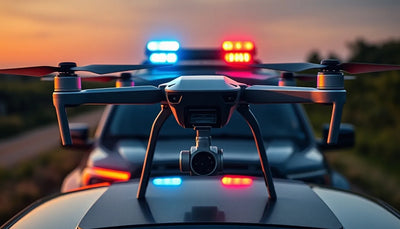
Army Artillery Unit Trains With Bumblebee V2 Interceptor Drone
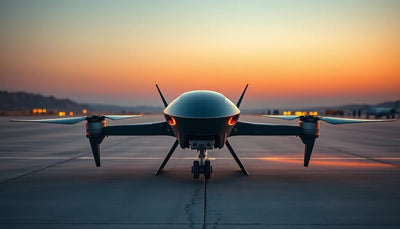
1st Cavalry Division Artillery soldiers spent nearly two weeks at Fort Hood training with the Bumblebee V2 interceptor. The reported exercise highlights growing military investment in counter-drone systems, a demand signal that could reshape the broader drone hardware and repair market.

Quick answer
1st Cavalry Division Artillery soldiers trained with the Bumblebee V2 interceptor drone at Fort Hood from November 2 to 13, according to DroneXL.co.
- The training ran from November 2 to November 13 at Fort Hood.
- The unit involved was 1st Cavalry Division Artillery.
- The Bumblebee V2 is described as an interceptor drone.
- No test results were released by JIATF-401.
- The report appeared on DroneXL.co on November 19, 2026.
Evidence: DroneXL.co · AeroVironment unmanned systems solutions
Fleet readiness
Keep DJI hardware available without overbuying new units.
Use defense and fleet news as a planning signal for repair support, inspected pre-owned aircraft, and replacement timing.

According to reporting by DroneXL.co, soldiers from the 1st Cavalry Division Artillery spent November 2 to November 13 at Fort Hood training with the Bumblebee V2 interceptor drone. The exercise, detailed in a release from JIATF-401, did not include test results, leaving the operational outcome of the training period unclear. What is clear is that the U.S. Army continues to route counter-drone training through frontline artillery units, a pattern that defense industry watchers have been tracking closely through 2026.
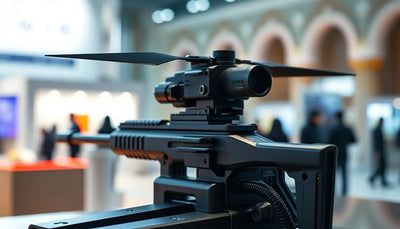
The Bumblebee V2 is described in the source as an interceptor platform, meaning its role is to physically engage or disrupt hostile drones rather than simply detect them. For the commercial drone market, the significance sits less in the specific airframe and more in what the training cycle represents: sustained institutional demand for counter-UAS capability, with artillery formations now treated as a primary operator base.
The Fort Hood training window and what was reported
DroneXL.co reported that the 1st Cavalry Division Artillery conducted the Bumblebee V2 training at Fort Hood over a twelve-day window in early November. The source attributes the information to a JIATF-401 release, though it notes that no test results were included in that release. This is a meaningful distinction. A training event with no published performance data tells the market that the system is in an operator familiarization or integration phase rather than a formal evaluation or procurement milestone.
For defense suppliers and commercial drone service providers watching military adoption patterns, the absence of test results should temper immediate conclusions. The exercise confirms that the Army is exposing artillery units to interceptor drone operations, but it does not confirm that the Bumblebee V2 met any performance threshold. Reboot Hub analysis suggests the most defensible reading is that counter-UAS training is becoming routine enough to be scheduled into standard artillery unit calendars.
Why artillery units are becoming counter-drone operators
The choice of 1st Cavalry Division Artillery as the training unit is notable. Artillery formations are increasingly expected to defend their own firing positions and maneuver corridors against small drone threats, a mission shift that has accelerated as low-cost reconnaissance and attack drones have proliferated on modern battlefields. Rather than relying solely on dedicated air defense units, the Army appears to be distributing counter-drone responsibility across conventional combat arms.
This has implications beyond the defense sector. The same operational logic that pushes armies to field lightweight, rapidly deployable interceptors also influences how commercial fleet operators think about airspace security around critical infrastructure, logistics hubs, and large public events. When military organizations normalize interceptor drones as a standard tool for artillery units, it strengthens the broader case for counter-UAS hardware as a durable market category rather than a short-term procurement spike.
What this means for drone owners and the market
For commercial drone buyers and fleet managers, the Fort Hood training cycle is a reminder that counter-drone technology is maturing alongside the commercial drone industry itself. As military and security agencies invest in interceptor platforms like the Bumblebee V2, the supporting ecosystem of spare parts, maintenance workflows, and operator training becomes more sophisticated. That ecosystem overlaps with the commercial repair and support market in ways that are easy to overlook. Drone operators who fly near sensitive sites or in regulated airspace should expect counter-UAS awareness to become a more visible part of operational planning. For owners evaluating service and lifecycle risk, Drone Wiki explains the relevant repair, parts, resale, or operational path.
For owners of pre-owned DJI drones and other commercial platforms, the defense counter-drone trend does not directly change how their aircraft perform, but it does shape the regulatory and security environment in which they operate. As interceptor training becomes more common, airspace authorities and facility operators may tighten temporary flight restrictions or expand no-fly zones around military training areas. Buyers evaluating a used drone purchase should factor in where they intend to fly and whether nearby military or critical infrastructure activity could affect access. The Drone Wiki offers model-specific guidance that can help owners understand how changing airspace and security considerations affect their aircraft choices.
The repair and support market may also feel a secondary effect. Defense counter-UAS programs often pull engineering talent, component supply, and manufacturing capacity toward military contracts. When that happens, lead times for certain commercial drone parts can shift, and repair shops may need to plan inventory more carefully. Fleet operators who depend on fast turnaround for OEM-pulled parts should watch whether expanded defense drone procurement creates tighter supply conditions for shared components such as motors, electronic speed controllers, and flight controllers.
Reading the signal without overreading the event
The Bumblebee V2 training report is a single data point, and it should be treated that way. DroneXL.co did not publish performance results, pricing, procurement quantities, or a timeline for operational deployment. JIATF-401's release, as summarized, confirms a training event and little else. For commercial operators, the actionable takeaway is not that a specific interceptor drone is about to change the market, but that counter-UAS integration is continuing across more Army formations.
Reboot Hub analysis views this as a demand signal with a long tail. Every new unit trained on counter-drone systems represents future requirements for maintenance, spare parts, software updates, and replacement airframes. That recurring support demand is where defense programs and commercial drone service models most closely resemble each other. For repair providers and parts suppliers, the defense counter-UAS buildout may eventually create secondary opportunities even if the primary contracts remain with specialized defense contractors.
FAQ
Frequently asked questions
What did the Army unit train with at Fort Hood?
According to DroneXL.co, 1st Cavalry Division Artillery soldiers trained with the Bumblebee V2 interceptor drone at Fort Hood from November 2 to November 13.
Were any test results released from the training?
No. The JIATF-401 release referenced by DroneXL.co did not include test results, so the operational performance of the Bumblebee V2 during this training window remains unconfirmed.
How does this affect commercial drone operators?
The training signals continued military investment in counter-drone systems, which may influence airspace restrictions near military areas and could eventually affect component supply chains shared with commercial drone repair and parts markets.
Which sources support this update?
The visible evidence links identify DroneXL.co and AeroVironment unmanned systems solutions; each source is used only for the claim it directly supports.
What remains subject to change?
Retail pricing, availability, product bundles and regulatory timelines can change. Readers should verify the latest terms with the named retailer, manufacturer or regulator before acting.
How should buyers or operators use this analysis?
Use the verified facts as a starting point, then compare mission fit, lifecycle support, maintenance needs and current procurement terms before making a purchase or fleet decision.
Käytetyt lähteet
- DroneXL.co - primary source
- AeroVironment unmanned systems solutions - official company source
Reboot Hub Editorial tarjoaa drone-omistajille ostaja-, huolto-, jälleenmyynti- ja toiminta-analyyseja. Jos huomaat virheen, ota meihin yhteyttä korjauspyynnön tekemiseksi toimituksellisen linjamme mukaisesti.