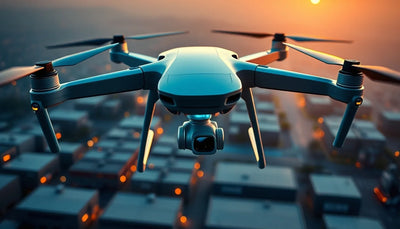
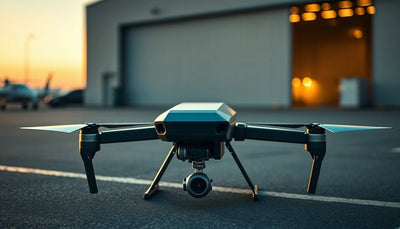
Antigravity A1 drone adds wearable controls for hands-free 360 filming
DroneDJ reports the Antigravity A1 follow-me drone now supports wearable controls for hands-free 360-degree filming. The development points to a growing segment of autonomous camera drones aimed at solo creators and outdoor users who want aerial coverage without a dedicated pilot.

Quick answer
DroneDJ reports that the Antigravity A1 follow-me drone is gaining wearable controls for hands-free 360-degree filming, allowing users to capture aerial footage without manually piloting the aircraft.
- The Antigravity A1 is positioned as a follow-me drone for outdoor activities like mountain biking and hiking.
- Wearable controls would let users adjust filming while keeping hands free for the activity.
- The report suggests post-capture shot selection may be part of the workflow.
- The development highlights growing demand for autonomous camera drones outside traditional pilot-operated use cases.
Evidence: DroneDJ
Market context
Turn market news into a buy, repair, or trade-in decision.
Compare pre-owned availability, resale timing, and repair economics before the market moves again.

DroneDJ reports that the Antigravity A1 follow-me drone is adding wearable controls designed for hands-free 360-degree filming, a development that points to a meaningful shift in how autonomous camera drones are being positioned for everyday outdoor users. The concept, as described in the report, is straightforward: a drone that films an activity such as mountain biking or hiking without requiring a dedicated operator, while giving the user some level of control over the capture process through a wearable device.
The report, published by DroneDJ on November 1, 2026, frames the Antigravity A1 as a tool for solo creators and outdoor enthusiasts who want aerial coverage of an experience without interrupting it to fly a drone. The wearable control element is the notable new detail, suggesting that the company is moving beyond simple follow-me automation toward a more interactive capture workflow where the person being filmed can influence the shot while keeping their hands free for the activity itself.
What the Antigravity A1 report actually describes
According to DroneDJ, the central promise of the Antigravity A1 is that a user could go mountain biking, hiking, or spend a day outdoors with friends and have a drone film the entire experience without anyone having to operate it in the traditional sense. The report also raises the possibility that shot composition decisions could be made after the adventure is over, implying a capture-first, edit-later approach that differs from the real-time piloting model most drone operators are familiar with.
The wearable controls are the specific new detail in the report. While the source does not provide detailed technical specifications, the implication is that the user wears a device that communicates with the drone, allowing for hands-free operation during activities where holding a controller would be impractical or unsafe. This matters because it changes the operator model: instead of a pilot standing still and flying, the subject of the footage becomes the operator, and the drone becomes a semi-autonomous camera platform.
Why autonomous filming is becoming a distinct market segment
The Antigravity A1 fits into a broader pattern that Reboot Hub analysts have been watching closely: the gradual separation of camera drones into pilot-operated tools and autonomous capture devices. Traditional commercial drones, including most DJI platforms, are built around an active pilot who manages flight, framing, and safety. The Antigravity A1, as described by DroneDJ, represents the other end of that spectrum, where the aircraft handles flight and tracking while the user simply wears a control device and goes about their activity.
This distinction has commercial implications. For professional drone operators, autonomous follow-me features have historically been a convenience feature rather than a core workflow. But for a growing class of solo creators, outdoor athletes, and casual users, the ability to capture aerial footage without a second person or a dedicated pilot is the entire value proposition. DroneDJ's coverage of the Antigravity A1 suggests that manufacturers are now designing products specifically for that use case rather than bolting follow-me modes onto general-purpose camera drones.
The report also hints at a post-capture workflow where shot selection happens after the fact. If accurate, that would represent a meaningful departure from the live-framing model that dominates current drone cinematography. For commercial operators, that kind of capture-everything-then-edit approach could reduce the pressure of real-time shot decisions but would also create significantly larger data management and storage requirements.
What this means for drone owners and the market
For current drone owners and prospective buyers, the Antigravity A1 report is a signal that the autonomous camera drone category is maturing beyond novelty status. DroneDJ's coverage suggests that hands-free operation is no longer just a software feature layered onto existing hardware but is becoming a design priority in its own right. Buyers who primarily film themselves in motion, whether for content creation, coaching, or personal documentation, may find this category increasingly relevant compared to traditional pilot-operated platforms.
The pre-owned DJI market is unlikely to feel immediate pressure from a single wearable-control announcement, but the direction matters. If autonomous follow-me drones with wearable controls gain traction, some buyers who would otherwise purchase a conventional camera drone for self-filming may shift toward purpose-built autonomous platforms. That could soften demand for entry-level and mid-range camera drones in the consumer segment, while leaving the professional and enterprise DJI market largely unaffected, since those buyers prioritize manual control, reliability, and integration with existing workflows. Operators and buyers evaluating their next purchase should weigh whether their filming needs are better served by a pilot-operated platform or by an autonomous capture device, and should factor repair and parts availability into that decision. For those exploring the current landscape of drone platforms and ownership considerations, the Drone Wiki offers a reference point for understanding how different categories fit into real-world use. For owners evaluating service and lifecycle risk, Drone Wiki explains the relevant repair, parts, resale, or operational path.
From a service and repair perspective, autonomous camera drones introduce a different support profile than traditional aircraft. Wearable control devices add another component that can fail, need firmware updates, or require replacement. Fleet managers and repair customers should note that a drone ecosystem built around a wearable controller creates a second hardware dependency, meaning downtime can stem from either the aircraft or the wearable unit. The report does not provide details on Antigravity's service network, parts availability, or warranty structure, so buyers considering this category should treat those unknowns as open questions rather than assumptions.
The commercial outlook for hands-free aerial capture
The Antigravity A1 development, as reported by DroneDJ, underscores a broader commercial trend: drone manufacturers are increasingly targeting users who want aerial footage without becoming pilots. That has implications for training, regulation, and market segmentation. In many jurisdictions, even autonomous drones require a human operator who can intervene, and wearable controls do not eliminate the need for regulatory compliance. Commercial operators who adopt similar technology will still need to understand airspace rules, visual line of sight requirements, and liability considerations in their operating region.
For the broader drone market, the wearable-control concept could influence how future camera drones are designed. If users respond positively to the idea of capturing 360-degree footage hands-free and making shot decisions later, manufacturers may invest more heavily in autonomous tracking, obstacle avoidance, and post-capture editing tools. That would be a meaningful shift from the current emphasis on live piloting precision and manual camera control. Reboot Hub analysis suggests that such a shift would not replace the professional pilot market but could expand the overall addressable market for camera drones by lowering the skill barrier to entry.
Reboot Hub analysis: The source report leaves several operational questions unanswered, including flight time, tracking reliability in complex terrain, and how the wearable device communicates with the aircraft. Those details will matter for real-world adoption. Until independent testing and user reports emerge, the Antigravity A1 should be viewed as a promising concept with a clear market signal rather than a proven platform. Buyers and operators should monitor whether the product delivers on its hands-free promise in the environments where it is most likely to be used, such as wooded trails, uneven terrain, and fast-moving activities.
FAQ
Frequently asked questions
What is the Antigravity A1 drone?
The Antigravity A1 is a follow-me camera drone covered by DroneDJ that is designed to film outdoor activities such as mountain biking and hiking without requiring a dedicated pilot, with new wearable controls for hands-free 360-degree filming.
How do the wearable controls work?
According to the DroneDJ report, the wearable controls let users manage aspects of the filming process while keeping their hands free for the activity, though detailed technical specifications and communication methods were not provided in the source material.
Should commercial drone operators pay attention to this development?
Yes. The Antigravity A1 signals growing manufacturer investment in autonomous, hands-free aerial capture for solo users, which could shift consumer demand and influence future camera drone design, even if professional pilot-operated workflows remain largely unchanged.
Which sources support this update?
The visible evidence links identify DroneDJ; each source is used only for the claim it directly supports.
What remains subject to change?
Retail pricing, availability, product bundles and regulatory timelines can change. Readers should verify the latest terms with the named retailer, manufacturer or regulator before acting.
How should buyers or operators use this analysis?
Use the verified facts as a starting point, then compare mission fit, lifecycle support, maintenance needs and current procurement terms before making a purchase or fleet decision.
Käytetyt lähteet
- DroneDJ - primary source
Julkaisuhetkellä muita virallisia asiakirjoja ei ollut saatavilla.
Reboot Hub Editorial tarjoaa drone-omistajille ostaja-, huolto-, jälleenmyynti- ja toiminta-analyyseja. Jos huomaat virheen, ota meihin yhteyttä korjauspyynnön tekemiseksi toimituksellisen linjamme mukaisesti.