XTEND patents smart payloads that can steer the drone carrying them
XTEND AI Robotics secured a US patent for smart payloads that send real-time steering instructions to the drone carrying them. The filing points toward payloads becoming active control partners rather than passive attachments, with implications for fleet planning and hardware investment.

Quick answer
XTEND AI Robotics received US Utility Patent No. 12,743,960 covering a smart payload architecture that can send real-time instructions to the robotic platform carrying it.
- The USPTO granted the patent to XTEND AI Robotics, as reported by DroneDJ on October 6, 2026.
- The architecture allows a payload to actively steer the drone rather than remain a passive attachment.
- The development signals a broader shift toward modular, intelligent payload ecosystems in commercial drone markets.
Evidence: DroneDJ
Market context
Turn market news into a buy, repair, or trade-in decision.
Compare pre-owned availability, resale timing, and repair economics before the market moves again.

Verified facts
What the available evidence confirms
| Aspect | Detail |
|---|---|
| Patent holder | XTEND AI Robotics |
| Patent number | US Utility Patent No. 12,743,960 |
| Core capability | Smart payload sends real-time instructions to the carrying robotic platform |
| Reporting source | DroneDJ, published October 6, 2026 |
XTEND AI Robotics has secured a new US patent for an architecture that could change how drone operators think about payloads. According to reporting by DroneDJ, the US Patent and Trademark Office granted US Utility Patent No. 12,743,960 to the company, covering a system in which a smart payload can send real-time instructions to the robotic platform carrying it. The development was reported on October 6, 2026, and it marks a meaningful conceptual shift in how commercial drone systems are designed and evaluated.
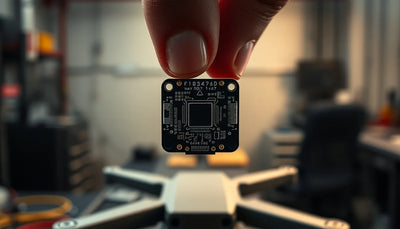
The core idea is straightforward but significant. In most current commercial drone setups, the payload is a passive component: a camera, sensor, sprayer, or delivery mechanism that receives power and data from the aircraft but does not influence how the aircraft flies. XTEND's patented approach inverts that relationship. A smart payload with its own processing and sensing capabilities could issue steering commands to the drone, effectively making the payload an active participant in the mission rather than a bolt-on accessory. This has implications for autonomy, mission flexibility, and how buyers allocate budget across airframes and payloads.
What the patent actually covers
DroneDJ's report describes the patent as covering an architecture in which a smart payload can send real-time instructions to the robotic platform carrying it. The phrase real-time is important here. It suggests that the payload is not simply uploading a pre-planned route or providing occasional telemetry feedback. Instead, the payload could respond to conditions in the field and direct the drone's movement accordingly. That could mean a sensor payload adjusting flight path to maintain optimal imaging angles, or a delivery payload guiding the aircraft toward a precise drop point based on its own onboard logic.
For fleet operators, the practical implication is that payload intelligence could reduce the processing burden on the drone's core flight controller. If a payload can handle mission-specific decisions locally, the airframe may not need the same level of onboard computing power for every task. That could extend the useful life of existing airframes and shift procurement focus toward payload quality and software capability. However, Reboot Hub analysis notes that the patent filing alone does not confirm any commercial product, pricing, or compatibility details. Operators should treat this as a signal of direction rather than an immediate purchasing decision.
Why payload intelligence matters commercially
The commercial drone market has long treated the airframe as the primary investment and the payload as a secondary consideration. That assumption is now being tested. If payloads become capable of steering the aircraft, the value equation changes. A well-designed smart payload could theoretically upgrade the capabilities of an older or less sophisticated drone, much as a high-quality lens can transform a camera body. This matters for buyers who are weighing whether to replace an entire aircraft or invest in better mission equipment.
For pre-owned DJI drone owners, the development is worth watching even though XTEND is not a DJI company. DJI's ecosystem has historically been tightly integrated, with payloads designed to work within specific airframe families. If the broader industry moves toward more intelligent, platform-agnostic payloads, the resale value of airframes could become more dependent on their ability to accept advanced third-party payloads. Operators holding older DJI platforms may find that their aircraft retain utility longer if smart payloads can compensate for aging onboard systems. This is speculative at this stage, but it is a reasonable market direction to monitor.
What this means for drone owners and the market
The most immediate takeaway for commercial operators is that payload evaluation should become a more rigorous part of procurement. A payload is no longer just a sensor spec sheet; it may soon include processing power, decision-making software, and the ability to influence flight behavior. Buyers who currently compare drones primarily on airframe specifications may need to shift their evaluation framework toward the combined performance of aircraft and payload as an integrated system. For repair customers, the trend also raises questions about serviceability. If payloads become more intelligent, they may also become more expensive to repair or replace, and independent repair shops will need to understand both the mechanical and software layers of these systems. For owners evaluating service and lifecycle risk, Drone Wiki explains the relevant repair, parts, resale, or operational path.
Fleet managers should also consider how smart payloads affect upgrade cycles. If a new payload can meaningfully improve mission outcomes without requiring a new airframe, the economic case for delaying aircraft replacement becomes stronger. That could slow fleet turnover and increase demand for payload-focused maintenance and support services. For operators in the pre-owned market, the key question is whether existing aircraft can accommodate future smart payloads through standard interfaces or whether proprietary barriers will limit compatibility. The Reboot Hub team tracks these shifts closely in the Drone Wiki, where operators can reference platform-specific guidance as the market evolves.
There is also a supply chain dimension. If payload intelligence becomes a differentiator, component sourcing for repair and maintenance may need to expand beyond airframe parts to include payload processors, sensors, and software validation. Repair providers that currently focus on motors, gimbals, and flight controllers may need to build new competencies. None of this is confirmed by the patent filing alone, but the direction is clear enough to justify planning conversations among operators who manage multi-year fleet budgets.
What operators should watch next
The patent is a legal document, not a product announcement. XTEND has not disclosed commercial availability, pricing, or specific integration partners in the DroneDJ report. Operators should watch for follow-on announcements about licensing, partnerships, or product demonstrations that would indicate whether this architecture will reach the commercial market. The company's existing work in autonomous robotics suggests that defense and security applications may be early adopters, but the patent's scope is broad enough to apply across industrial and logistics use cases.
For now, the responsible action for buyers and fleet managers is to document current payload capabilities and interface standards across their fleets. Understanding what your aircraft can accept today will make it easier to evaluate smart payload options if and when they become commercially available. It is also worth noting that patent activity often precedes market shifts by several years, so this is a planning signal rather than an urgent operational change. The operators who benefit most will be those who treat payload intelligence as a strategic variable rather than a surprise development.
FAQ
Frequently asked questions
What did XTEND patent?
XTEND AI Robotics received US Utility Patent No. 12,743,960 for an architecture in which a smart payload can send real-time instructions to the robotic platform carrying it, as reported by DroneDJ on October 6, 2026.
Does this mean I can buy a smart payload today?
No. The patent filing does not confirm any commercial product, pricing, compatibility, or availability. Operators should treat this as an early signal of market direction rather than an immediate purchasing option.
How could this affect pre-owned drone values?
If smart payloads become commercially available and platform-agnostic, older airframes could retain utility longer by accepting advanced payloads that compensate for aging onboard systems. This is speculative but worth monitoring for operators holding existing fleets.
Which sources support this update?
The visible evidence links identify DroneDJ; each source is used only for the claim it directly supports.
What remains subject to change?
Retail pricing, availability, product bundles and regulatory timelines can change. Readers should verify the latest terms with the named retailer, manufacturer or regulator before acting.
How should buyers or operators use this analysis?
Use the verified facts as a starting point, then compare mission fit, lifecycle support, maintenance needs and current procurement terms before making a purchase or fleet decision.
Fuentes consultadas
- DroneDJ - primary source
No había documentación oficial adicional disponible al momento de la publicación.
Reboot Hub Editorial ofrece análisis de compra, reparación, reventa y operatividad para propietarios de drones. Si detecta algún error, contáctenos para solicitar una revisión de corrección conforme a nuestra política editorial.