South Korea to Train 500,000 Soldiers as Drone Warriors
South Korea’s defense minister announced on June 26, 2026 that all 500,000 military personnel will be trained to operate drones as standard personal weapons. This signals a profound shift in how small UAVs are integrated into national defense.

On June 26, 2026, South Korea’s defense minister Ahn Gyu-back announced that every member of the country’s armed forces—roughly 500,000 personnel across the army, navy, air force, and marines—will be trained to operate drones as a standard personal weapon. The statement, delivered in Seoul, frames cheap quadcopters and loitering munitions as core tools for modern infantry. This is not a small-scale experiment; it is a national commitment to universal drone literacy at an unprecedented scale.
For commercial drone operators, fleet managers, and pre-owned DJI drone buyers, this announcement may seem distant from civilian airspace. But the ripple effects are immediate. A defense-driven surge in drone demand will tighten supply chains, influence regulation, and reshape the second-hand market. Understanding what is happening in Seoul matters for anyone who buys, flies, or repairs UAVs for a living.
A national mandate for drone proficiency
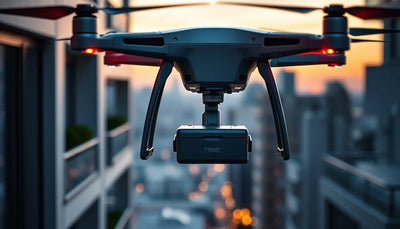
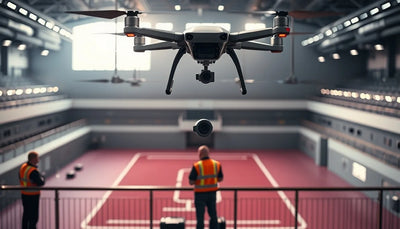
Minister Ahn Gyu-back’s declaration on June 26, 2026, makes drone operation a baseline skill for every South Korean service member, from infantry to naval crews. The program emphasizes low-cost quadcopters and loitering munitions—essentially disposable or semi-expendable platforms that soldiers can deploy quickly. This is not about large fixed-wing intelligence drones; it is about putting a small UAV in every soldier’s pack. The scale is staggering: half a million people will need hands-on training, spare parts, batteries, and replacement airframes within a few years.
Fleet readiness
Keep DJI hardware available without overbuying new units.
Use defense and fleet news as a planning signal for repair support, inspected pre-owned aircraft, and replacement timing.

The practical implication for the global drone market is clear. South Korea’s domestic manufacturers—such as KAI and DroneNet—will likely receive large production orders. But these companies also source components (motors, flight controllers, cameras) from international suppliers, many of them Chinese. Expect increased competition for entry-level quadcopter parts and sensors. For commercial operators who rely on these same components, lead times and prices may rise. Fleet managers should review their spare parts inventory now and consider building buffer stock, especially for commonly used motors and battery cells.
Supply chain strain and the second-hand market
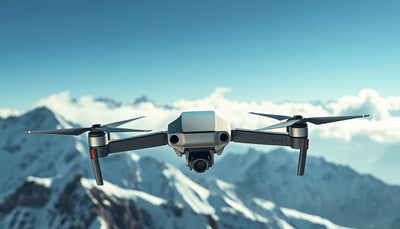
When a major military power starts training half a million drone operators, it creates a sustained pull on new and used hardware. The South Korean program will demand thousands of training drones initially, then continuous replacements as airframes wear out. This will absorb a significant portion of the global supply of small quadcopters in the 249-gram to 2-kilogram class. Many of these are consumer-oriented DJI models, such as the Mini series, which are common in both military training and civilian operations.
For buyers in the pre-owned DJI market, this supply squeeze may push up prices of used drones that are still flight-ready and under 250 grams. Conversely, military surplus does not typically enter the civilian second-hand market quickly—but some contractor-culled units may appear. Fleet operators looking to expand should not delay purchasing inspected pre-owned units. The announcement reinforces that drones are no longer niche tools; they are core military materiel, and the secondary market will reflect that reality. If you are considering a pre-owned DJI drones purchase, acting sooner rather than later may lock in favorable pricing before military procurement inflates demand.
What this means for drone buyers
For commercial drone buyers—whether you operate a agriculture survey fleet, manage a public safety unit, or fly inspections on construction sites—the South Korean announcement signals a structural shift. First, expect regulatory authorities worldwide to scrutinize small drone availability and usage more closely. The line between civilian quadcopter and military munition is thinner than ever. This may accelerate remote ID mandates, no-fly zone expansions, and buyer background checks, especially for platforms that could be weaponized.
Second, consider the long-term availability of genuine OEM spare parts. If military contracts absorb factory production, civilian repair channels may face shortages for critical components like arms, motors, and battery connectors. Staying on good terms with a professional DJI repair services provider can help secure access to OEM-pulled parts before shortages hit. Additionally, if you are planning to upgrade your personal fleet, now may be a wise time to use a drone trade-in guide to assess the value of your current airframes and move up to a more robust model before prices rise.
Third, the emphasis on loitering munitions and cheap quadcopters in South Korea suggests that the next generation of tactical drones will prioritize simplicity, repairability, and low unit cost. This may influence civilian product design: expect more modular, field-serviceable quadcopters from leading manufacturers. For fleet managers, this means repair costs could drop as components become easier to swap without specialized tools. Right now, it pays to invest in durable models and to keep a spare battery kit on hand, because the global supply of small drone batteries is about to face military-level demand.
Preparing for a drone-heavy future
The South Korean defense initiative is not an isolated story. It follows similar moves by Ukraine, Taiwan, and several NATO members to embed small UAVs into basic training. What sets Seoul apart is the commitment to train every soldier, not just specialized units. This will normalize drone operation across a generation of military personnel, many of whom will eventually transition to civilian roles with UAV skills. For the commercial sector, the talent pipeline is expanding—more trained pilots, more mechanics, more entrepreneurs who understand drone logistics.
But near-term operational challenges are real. Drone buyers should re-evaluate their risk models: geopolitical tensions can reshape supply chains overnight. If you rely on a single brand for your fleet, consider diversifying. If you depend on just-in-time spare parts, stock up. And if you have older drones that still fly well, treat them as assets, not liabilities. The second-hand market will reward airframes that are well-maintained, with clean logs and OEM parts. Getting a condition assessment from a professional repair shop today can protect your investment in the coming months.
Finally, pay attention to software and firmware trends. Military training at this scale often leads to software-defined radios and hardened encryption that trickle down to consumer products. Future DJI drones may offer enhanced anti-jamming or geofencing capabilities derived from defense contracts. While no specifics are available from the source, the direction is clear: drones are moving deeper into national security infrastructure, and civilian operators must stay informed to avoid compliance surprises.
Will this affect the price of consumer drones like the DJI Mini series?
Yes, indirectly. The surge in military demand for small quadcopters will compete for the same components used in consumer drones. Buyers may see modest price increases on new units and reduced availability of popular models on the second-hand market. Acting early to secure a pre-owned DJI drone can mitigate that risk.
Should commercial operators change how they order spare parts?
Yes. Consider building a 3-6 month buffer of commonly replaced parts such as propellers, motors, and batteries. Military procurement can cause sudden shortages. Establish a relationship with a repair center that stocks genuine OEM-pulled parts to ensure you have priority access.
Does this announcement mean stricter drone regulations in other countries?
It increases the likelihood. When major militaries normalize drone carry, civil aviation authorities often respond with tighter controls to distinguish commercial from potential threat use. Expect more remote ID enforcement, higher registration penalties, and possible import restrictions on quadcopters over 250 grams in some regions.