Kite Aero Starts KITE UAS Production in Geelong
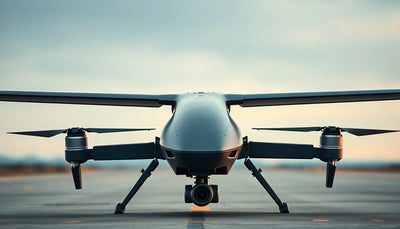
Kite Aerospace has begun production of its KITE autonomous logistics aircraft at a Geelong composite facility, according to DRONELIFE reporting. The move signals new sovereign manufacturing capacity in the Five Eyes supply chain.

Quick answer
Kite Aerospace Pty Ltd started production of its KITE uncrewed aerial vehicle on September 14, 2026, partnering with Sykes Advanced Manufacturing at a Geelong composite facility.
- Production began September 14, 2026
- Build partner is Sykes Advanced Manufacturing
- Facility is located in Geelong, Australia
- Company is working toward a 100-unit pipeline
- Positioned as sovereign Five Eyes aligned production
Evidence: DRONELIFE
Market context
Turn market news into a buy, repair, or trade-in decision.
Compare pre-owned availability, resale timing, and repair economics before the market moves again.

Kite Aerospace Pty Ltd has commenced production of its KITE uncrewed aerial vehicle, according to reporting from DRONELIFE. The start of production was dated September 14, 2026, and the build is being carried out in partnership with Sykes Advanced Manufacturing at a composite facility in Geelong, Australia.
The development positions the KITE autonomous logistics aircraft within a sovereign Five Eyes aligned manufacturing framework. DRONELIFE reports that the company is building toward a 100-unit pipeline, a figure that gives early signal of the scale Kite Aerospace expects to support as the program moves from development into serial production.
What the production announcement covers
The central reported fact is narrow but commercially significant: production has started, the location is Geelong, and the manufacturing partner is Sykes Advanced Manufacturing. The KITE platform is described as an autonomous logistics aircraft, meaning the target use case sits in cargo movement rather than inspection, mapping, or consumer imaging.
For fleet operators and procurement teams watching the logistics UAS segment, the shift from prototype to production is the threshold event. It suggests the airframe design has matured enough to move into a repeatable build process, and that the company has secured a manufacturing partner with composite fabrication capacity. DRONELIFE does not report unit pricing, delivery timelines, or launch customer details, so those commercial terms remain unknown.
The 100-unit pipeline reference is the most concrete demand signal in the source material. It indicates that Kite Aerospace is structuring its production planning around a three-figure volume rather than a handful of demonstration aircraft. Reboot Hub analysis: this is a meaningful distinction in a sector where many logistics UAS programs stall between flight testing and sustained manufacturing.
Why a sovereign Five Eyes supply chain matters
The announcement frames the KITE program as sovereign Five Eyes aligned production. That positioning matters because logistics drones operating in defense, emergency response, or government-contracted cargo roles increasingly face scrutiny over component origin, data handling, and supply chain security.
For commercial buyers, the practical implication is that a domestically built airframe may carry fewer import, data security, or supply continuity concerns than platforms dependent on overseas manufacturing. The Geelong location also suggests access to Australian advanced manufacturing skills and composite materials expertise through Sykes Advanced Manufacturing.
DRONELIFE does not report specific certification status, payload capacity, range, or regulatory approvals in the source material. Operators should treat the announcement as a manufacturing milestone rather than a product availability notice. The path from production start to certified commercial operation can still involve significant testing, airworthiness validation, and customer integration work.
What this means for drone owners and the market
The KITE production start is a supply-side signal, not a consumer product launch. For most individual drone owners, the immediate impact is limited. The KITE is an autonomous logistics platform, not a camera drone or inspection tool competing in the pre-owned DJI market. However, the announcement does carry indirect market intelligence for operators who track where commercial UAS manufacturing capacity is being built.
Fleet managers evaluating logistics UAS should note that a new sovereign manufacturing option is emerging in the Five Eyes region. That could influence future procurement shortlists, especially for operators with government contracts, defense-adjacent work, or data sovereignty requirements. A domestic build partner reduces some supply chain risk, though operators should still verify service, spares, and repair infrastructure before committing to any new airframe.
For repair customers and parts buyers, the relevant lesson is structural. When a manufacturer moves into serial production, the long-term parts and service ecosystem begins to form. Early production programs often prioritize airframe delivery over spares availability, so operators should ask direct questions about lead times for replacement components, composite repair procedures, and authorized service channels. Readers evaluating broader drone ownership costs can review the Drone Wiki for context on how repair and parts planning affect total cost of ownership. For owners evaluating service and lifecycle risk, Drone Wiki explains the relevant repair, parts, resale, or operational path.
The pre-owned DJI market is unlikely to shift on this news. DJI continues to dominate consumer, prosumer, and many enterprise imaging segments, while Kite Aerospace is targeting autonomous logistics. The two categories serve different buyers, different missions, and different regulatory pathways. Reboot Hub analysis: the more relevant watch item is whether Kite Aerospace or similar sovereign programs eventually produce logistics platforms that compete for the same enterprise budget lines currently allocated to piloted cargo or ground transport.
What operators should watch next
The production announcement leaves several commercial questions open. DRONELIFE does not report which launch customers, if any, have committed to the KITE platform. It does not report certification milestones, operational range, payload specifications, or per-unit economics. Those details will determine whether the 100-unit pipeline translates into deployed aircraft or remains a production planning target.
Operators should watch for three follow-on signals. First, any announcement of a launch customer or government program tied to the KITE would validate the demand picture. Second, certification or airworthiness progress would clarify the regulatory timeline. Third, any disclosure of spares, training, or service infrastructure would indicate how seriously the program is treating long-term operator support.
For now, the responsible read is that Kite Aerospace has cleared a meaningful manufacturing hurdle. The company has moved from development into a build phase with a named composite partner in Geelong, and it is structuring for volume. Whether that volume materializes depends on factors the source material does not yet reveal.
FAQ
Frequently asked questions
What did Kite Aerospace announce?
Kite Aerospace Pty Ltd started production of its KITE uncrewed aerial vehicle on September 14, 2026, according to DRONELIFE reporting. The build is being conducted with Sykes Advanced Manufacturing in Geelong, Australia.
What is the KITE aircraft used for?
The KITE is described in the source material as an autonomous logistics aircraft. It is positioned for cargo movement roles rather than consumer imaging or inspection missions.
Does this affect the pre-owned DJI drone market?
No direct impact is expected. The KITE targets autonomous logistics, a different category from the consumer and enterprise imaging segments where pre-owned DJI drones trade. The announcement is more relevant to logistics fleet planners and sovereign supply chain watchers.
Which sources support this update?
The visible evidence links identify DRONELIFE; each source is used only for the claim it directly supports.
What remains subject to change?
Retail pricing, availability, product bundles and regulatory timelines can change. Readers should verify the latest terms with the named retailer, manufacturer or regulator before acting.
How should buyers or operators use this analysis?
Use the verified facts as a starting point, then compare mission fit, lifecycle support, maintenance needs and current procurement terms before making a purchase or fleet decision.
Fuentes consultadas
- DRONELIFE - primary source
No había documentación oficial adicional disponible al momento de la publicación.
Reboot Hub Editorial ofrece análisis de compra, reparación, reventa y operatividad para propietarios de drones. Si detecta algún error, contáctenos para solicitar una revisión de corrección conforme a nuestra política editorial.