Joby Completes First Autonomous Flight Across the United States
Joby Aviation says an aircraft using its autonomy stack flew 3,199 miles with zero control inputs from its onboard safety pilot. The milestone matters for commercial drone operators watching how autonomous flight reshapes certification, fleet economics, and the broader aerial services market.

Quick answer
Joby Aviation announced that an aircraft equipped with its autonomy technology completed a 3,199-mile autonomous flight across the United States with zero control inputs from the onboard safety pilot.
- The flight concluded near North Carolina's Outer Banks, close to the Wright brothers' first powered flight site.
- The aircraft flew the eastbound leg of a month-long tour with no manual control inputs.
- The announcement was reported by Yahoo Finance on September 18, 2026.
- The milestone signals growing momentum for autonomous flight in commercial aviation.
Evidence: Source material · Joby Aviation investor relations
Market context
Turn market news into a buy, repair, or trade-in decision.
Compare pre-owned availability, resale timing, and repair economics before the market moves again.

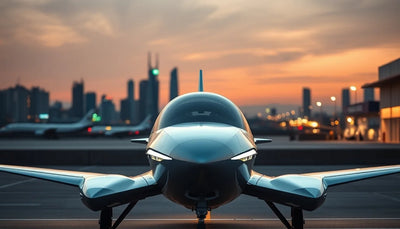
Joby Aviation has reported a milestone that commercial drone operators and aviation fleet managers should watch closely. According to a September 18, 2026 report from Yahoo Finance, an aircraft equipped with Joby's autonomy technology completed what the company describes as the first-ever fully autonomous flight across the United States. The aircraft flew 3,199 miles with zero control inputs from its onboard safety pilot, concluding the eastbound leg of a month-long tour in North Carolina's Outer Banks.
The location carries symbolic weight. The flight ended near the site of the Wright brothers' first powered flight, a deliberate framing that positions autonomous aviation as the next chapter in a long arc of aerospace progress. For commercial operators, though, the practical questions are more immediate: what does a cross-country autonomous flight mean for certification timelines, fleet economics, and the competitive landscape for piloted and remotely operated aircraft?
What the reported flight actually demonstrates
The central claim from the Yahoo Finance report is specific: the aircraft flew 3,199 miles with zero control inputs from its onboard safety pilot. That is a meaningful distinction from earlier autonomy demonstrations. Many autonomous systems still require periodic human intervention, heading corrections, or manual takeoffs and landings. A flight of this length with no control inputs suggests the autonomy stack handled navigation, altitude management, and route execution across a wide range of airspace and weather conditions without human override.
Reboot Hub analysis: the presence of a safety pilot on board is still important. The report does not state that the flight operated without any human monitoring. A safety pilot remaining in the cockpit, even without touching the controls, means the demonstration still falls short of a fully uncrewed operation from a regulatory standpoint. That distinction matters for fleet operators evaluating when autonomous systems might actually reduce headcount or enable remote operations at scale.
Why commercial operators are paying attention
Autonomy is not a niche research topic anymore. It is a cost variable. Every hour a safety pilot sits in an aircraft is an hour of labor cost, training overhead, and scheduling constraint. If autonomy can reliably handle cross-country flight segments, the economic case for autonomous cargo routes, inspection missions, and eventually passenger services becomes stronger. The 3,199-mile figure is useful because it suggests endurance and reliability over a distance that would require multiple fuel or charging stops and sustained system performance.
For drone service providers and enterprise fleet managers, the Joby announcement is a signal about where aviation investment is heading. Large-scale autonomous flight programs tend to pull regulatory attention, capital, and engineering talent toward the companies that can demonstrate real capability. That can shift procurement timelines even for operators who never plan to fly Joby aircraft. Certification frameworks developed for one autonomy stack often become reference points for the broader industry.
What this means for drone owners and the market
The commercial drone market has always been shaped by what happens in adjacent aviation segments. When a company like Joby demonstrates a cross-country autonomous flight, it reinforces the idea that autonomy is a near-term operational reality rather than a distant research goal. That perception influences how buyers evaluate pre-owned DJI drones, how repair customers think about fleet longevity, and how enterprise procurement teams plan multi-year equipment budgets. For owners evaluating service and lifecycle risk, Drone Wiki explains the relevant repair, parts, resale, or operational path.
For individual drone owners and small operators, the immediate impact is indirect but real. A stronger autonomy narrative tends to accelerate software updates, sensor integration, and regulatory conversations across the industry. Operators who fly DJI platforms for mapping, inspection, or public safety work may see faster trickle-down of autonomous flight features, even if their aircraft are far smaller and less complex than Joby's. Buyers evaluating pre-owned DJI drones should consider whether the aircraft they purchase today will remain compatible with the autonomy-focused software ecosystem that is developing around commercial aviation. Reboot Hub's Drone Wiki offers practical reference material for operators tracking how these market shifts affect equipment decisions and repair planning.
The pre-owned DJI market is particularly sensitive to perception shifts. When autonomy milestones make headlines, some buyers assume older aircraft are obsolete. That is rarely true. The core functions of a DJI airframe, camera performance, flight stability, battery health, and sensor accuracy, do not change because a different company flew an autonomous aircraft across the country. What changes is the software and regulatory environment around those airframes. A well-maintained pre-owned DJI drone remains a capable tool for most commercial missions, and OEM-pulled parts can extend its service life without requiring a full fleet replacement.
What operators should watch next
The Joby announcement is one data point, not a market shift by itself. The Yahoo Finance report does not include details on certification status, regulatory approvals, or commercial deployment timelines. Operators should treat the flight as a technology demonstration with symbolic value, not as evidence that autonomous commercial flights are imminent. The practical path from a demonstration flight to certified commercial operations involves regulatory review, safety case development, and operational validation that can take years.
Fleet managers should watch for follow-on announcements about data from the flight, any regulatory filings tied to the demonstration, and whether Joby or competitors announce similar autonomy milestones. The competitive response matters as much as the original flight. If multiple companies begin reporting long-duration autonomous flights, the industry is likely entering a new phase of autonomy validation. If Joby remains an outlier, the milestone may be more about company positioning than market-wide change.
For repair customers and pre-owned buyers, the practical takeaway is to keep maintenance and parts planning grounded in current operational reality. Autonomous flight milestones do not change the fact that DJI airframes need batteries, propellers, gimbal components, and sensor calibration over time. Genuine OEM spare parts and professional DJI repair services remain the most reliable way to keep a fleet operational, regardless of what happens in the autonomous aviation segment.
This article is market commentary for drone operators and buyers, not investment advice. Reboot Hub does not recommend securities transactions.
FAQ
Frequently asked questions
Did Joby's aircraft fly with no pilot on board?
No. The Yahoo Finance report states that an onboard safety pilot was present during the flight, but the pilot provided zero control inputs across the 3,199-mile journey.
Where did the autonomous flight end?
The flight concluded in North Carolina's Outer Banks, near the site of the Wright brothers' first powered flight, after completing the eastbound leg of a month-long tour.
Does this mean autonomous commercial drone flights are now approved?
No. The announcement describes a technology demonstration, not a regulatory approval or commercial service launch. Certification and operational validation remain separate processes that can take years.
Which sources support this update?
The visible evidence links identify Source material and Joby Aviation investor relations; each source is used only for the claim it directly supports.
What remains subject to change?
Retail pricing, availability, product bundles and regulatory timelines can change. Readers should verify the latest terms with the named retailer, manufacturer or regulator before acting.
How should buyers or operators use this analysis?
Use the verified facts as a starting point, then compare mission fit, lifecycle support, maintenance needs and current procurement terms before making a purchase or fleet decision.
Fuentes consultadas
- Source material - primary source
- Joby Aviation investor relations - company investor information
Reboot Hub Editorial ofrece análisis de compra, reparación, reventa y operatividad para propietarios de drones. Si detecta algún error, contáctenos para solicitar una revisión de corrección conforme a nuestra política editorial.