Huaneng Opens UAV Intelligent Inspection Tender in China
A new Huaneng tender for UAV intelligent inspection points to expanding utility demand for automated drone workflows across China's power grid. The bidding notice, reported by CPEM National Power Equipment Management Network, offers a concrete signal for commercial operators and fleet planners tracking enterprise inspection contracts.

Quick answer
Huaneng has published a tender for UAV intelligent inspection, as reported by CPEM National Power Equipment Management Network, indicating expanding Chinese utility demand for automated drone-based power asset inspection.
- The tender was reported by CPEM National Power Equipment Management Network
- It focuses on UAV intelligent inspection for power equipment
- The notice signals commercial demand for automated inspection workflows
- Source details on bid scope and value are limited
A new bidding notice from Huaneng, one of China's largest state-owned power generation groups, has put UAV intelligent inspection back in the commercial spotlight. The tender, reported by CPEM National Power Equipment Management Network, signals that utility operators continue to formalize drone-based inspection as a standard procurement category rather than an experimental pilot program.
Market context
Turn market news into a buy, repair, or trade-in decision.
Compare pre-owned availability, resale timing, and repair economics before the market moves again.

For commercial drone operators, fleet managers, and repair service providers, the development matters less for its immediate contract value and more for what it reveals about procurement direction. Chinese utilities are not simply buying aircraft; they are tendering for intelligent inspection capability, a phrase that typically implies automated flight paths, data capture, and asset analysis workflows tied to power infrastructure.
The tender and its reporting context
According to the CPEM National Power Equipment Management Network report, Huaneng has published a tender under the title "UAV Intelligent Inspection." The notice appeared through the network's bidding and tendering channel, which aggregates procurement activity across China's power equipment sector. The source is a specialized industry platform focused on national power equipment management, giving it direct relevance to utility procurement professionals.
The report does not disclose bid value, submission deadlines, specific drone models, or the number of inspection sites covered. Reboot Hub analysis should therefore treat the notice as a directional signal rather than a fully specified procurement event. What is clear is that a major state-owned power generator is actively soliciting UAV-based intelligent inspection services or systems, reinforcing a pattern that has been building across China's energy sector for several years.
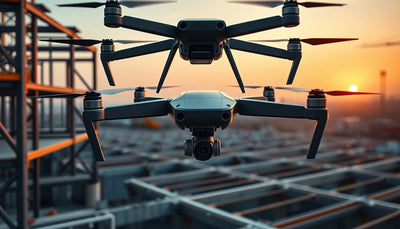
Huaneng's scale makes the notice commercially significant. The group operates thermal, hydro, wind, and solar assets across multiple provinces, and its transmission and distribution footprint requires continuous monitoring of towers, lines, substations, and generation equipment. Drone inspection offers a lower-cost, lower-risk alternative to manual climbing inspections and helicopter surveys, particularly for assets in remote or difficult terrain.
Why utility inspection demand keeps expanding
Power utilities have become one of the most reliable demand centers for commercial drone services worldwide, and China's state-owned grid operators are among the largest buyers. The logic is straightforward: power infrastructure is aging, regulatory pressure on safety and reliability is high, and labor costs for manual inspection are rising. Drones equipped with thermal and zoom cameras can identify hot spots, damaged insulators, corrosion, and vegetation encroachment faster than ground crews.
The term "intelligent inspection" in the Huaneng tender title is commercially meaningful. It suggests the utility is looking beyond basic manual flight toward systems that can automate route planning, repeat flights with high precision, and feed imagery into asset management software. For service providers, this raises the bar: winning utility contracts increasingly requires data integration capability, not just piloting skill.
For drone buyers and fleet operators outside China, the Huaneng notice is a useful benchmark. When state-owned utilities tender for intelligent inspection, it validates the business case for automated inspection workflows and pushes hardware and software vendors to improve reliability, sensor quality, and data pipelines. Those improvements eventually flow into the broader commercial drone market, including the pre-owned segment.
What this means for drone owners and the market
The Huaneng tender reinforces a commercial trend that should influence how fleet managers think about equipment lifecycles. Utility inspection work is demanding: aircraft log long flight hours, operate near electromagnetic interference, and fly in variable weather. That operational intensity accelerates component wear and makes genuine OEM spare parts and professional repair support more important for operators running inspection fleets. For owners evaluating service and lifecycle risk, Drone Wiki explains the relevant repair, parts, resale, or operational path.
For buyers in the pre-owned DJI market, the signal is nuanced. Enterprise platforms such as the Matrice series remain the workhorses for utility inspection in many markets, and sustained demand from large institutional buyers tends to support resale values for well-maintained units. At the same time, operators should recognize that utility tenders increasingly specify integrated intelligent inspection capability, which may favor newer platforms with stronger automation and sensor compatibility. A pre-owned aircraft that cannot support the required payload or software workflow may be less competitive for this type of contract work. For operators evaluating inspection-ready platforms or sourcing OEM-pulled parts to keep existing fleets mission-capable, the Drone Wiki provides reference material on DJI platform capabilities and maintenance considerations.
The practical takeaway for a fleet manager or independent inspection operator is to treat utility procurement signals like this as a prompt to audit current equipment against intelligent inspection requirements. If your aircraft cannot execute repeatable automated missions or integrate with asset management software, you may be falling behind the procurement curve that tenders like Huaneng's are formalizing.
Broader market implications for inspection services
China's utility drone inspection market has matured faster than many Western observers expected, driven by state-backed procurement and a dense network of power infrastructure. The Huaneng notice is one data point, but it aligns with a broader pattern: utilities are shifting from ad hoc drone use to structured, tender-based procurement of inspection capability as a service or system.
For repair and parts providers, this shift has direct consequences. Inspection fleets operating under utility contracts require predictable maintenance schedules, rapid turnaround on component failures, and access to genuine OEM parts. Operators who delay maintenance or use unverified third-party components risk downtime that can jeopardize contract performance. The commercial logic favors professional repair channels and inspected pre-owned equipment with documented service history.
Reboot Hub analysis suggests that the Huaneng tender, while limited in disclosed detail, should be read alongside other regional procurement activity as evidence that utility inspection demand remains structurally strong. For drone buyers, the message is to prioritize reliability, automation capability, and serviceability over short-term cost savings, because the institutions driving demand are doing exactly that.
FAQ
Frequently asked questions
What did Huaneng tender for?
Huaneng published a tender for UAV intelligent inspection, as reported by CPEM National Power Equipment Management Network. The notice appeared in the network's bidding and tendering channel focused on power equipment management.
Does the tender specify drone models or bid value?
No. The source report does not disclose bid value, submission deadlines, specific drone models, or inspection site counts. The notice should be treated as a directional signal of utility procurement intent rather than a fully specified contract.
What should commercial drone operators do after reading this?
Operators should audit their current fleet against intelligent inspection requirements, including automated mission capability and data integration readiness. Utility procurement increasingly favors integrated inspection systems, not just aircraft with manual flight capability.
Which sources support this update?
The article distinguishes reported information from analysis and does not present an unverified source as official confirmation.
What remains subject to change?
Retail pricing, availability, product bundles and regulatory timelines can change. Readers should verify the latest terms with the named retailer, manufacturer or regulator before acting.
How should buyers or operators use this analysis?
Use the verified facts as a starting point, then compare mission fit, lifecycle support, maintenance needs and current procurement terms before making a purchase or fleet decision.
Fuentes consultadas
- Source material - primary source
No había documentación oficial adicional disponible al momento de la publicación.
Reboot Hub Editorial ofrece análisis de compra, reparación, reventa y operatividad para propietarios de drones. Si detecta algún error, contáctenos para solicitar una revisión de corrección conforme a nuestra política editorial.